Regulation & Policy

Explore crypto news and in-depth articles related to Regulation & Policy, covering market updates, data-driven analysis, trend insights, and key developments to help you fully grasp key information about Regulation & Policy in the crypto market.
ALLDaily Crypto NewsMarket AnalysisPrediction Marketbitcoin newsethereum newsXRP newsRegulation & PolicyCapital FlowPrice PredictionPrice VolatilityDerivatives DataOn-Chain DataExchange RiskSecurity IncidentsEnforcement ActionsPartnerships & EcosystemInvestment & FinancingIndustry ReportsProject Progressuniswap newsUSDT newsBNB newssolana newsUSDC newsdogecoin newspi network newspepe newsSHIB newsRankings & LeaderboardsToken Events

Implement the Genius Act! The U.S. will regulate stablecoin issuers and require the ability to “freeze transactions” for anti-money laundering purposes.

The U.S. Department of the Treasury classifies stablecoin issuers as financial institutions, requiring them to comply with anti–money laundering regulations, and designates U.S. residents with no criminal record as compliance officers. The new rules give issuers the authority to freeze transactions, emphasizing protecting the financial system and promoting technological development. However, regulatory pressure and political wrangling still exist, and the outlook for the market remains to be seen.
BTC1,59%
CryptoCity·1h ago

FUD Report: Taiwan’s special law passing—USDT withdrawals will be banned! Crypto City walks you through debunking each and every panic claim

A netizen on Threads claimed that Taiwan’s special law would ban USDT trading, saying it’s actually fear-based marketing. Experts emphasized that the draft permits overseas stablecoin transactions, and urged people to choose legitimate exchanges to avoid scams and risks. The government will legally penalize unregistered underground coin dealers, and the public should stay rational and not believe online rumors.
CryptoCity·1h ago

Implement the Genius Act! The U.S. will regulate stablecoin issuers and require the ability to freeze transactions for “anti–money laundering” purposes

The U.S. Department of the Treasury classifies stablecoin issuers as financial institutions, requiring them to comply with anti-money-laundering regulations and designating U.S. residents with no criminal record as compliance officers. The new requirements give issuers the authority to freeze transactions, emphasizing the protection of the financial system and the promotion of technological development. However, regulatory pressure and political leverage still exist, and the outlook for the market remains to be seen.
BTC1,59%
CryptoCity·4h ago

Hong Kong Monetary Authority: Will continue to communicate with institutions that have not yet been granted stablecoin licenses in the first batch, and is open but cautious about issuing additional licenses

Gate News message, on April 10, the Hong Kong Monetary Authority said it would maintain communication and engagement with the first batch of applicants that did not receive a license, as well as other institutions that apply in the future, to review these applications under uniform regulatory standards and requirements. Regarding the later issuance of stablecoin licenses and the timeline, the Monetary Authority has an open yet cautious attitude, and at this stage there is no clear inclination.
GateNews·4h ago

Brittle rumor: Taiwan’s special law passing means USDT withdrawals will be banned! Crypto City takes you through, one by one, to break down panic-filled fallacies

There are netizens on Threads claiming that Taiwan’s special act will ban USDT trading, and that it is actually fear-based marketing. Experts emphasize that the draft allows offshore stablecoin trading and urge people to choose legitimate exchanges to avoid scams and risks. The government will penalize unregistered underground coin traders according to law, and the public should stay rational and not easily believe online rumors.
CryptoCity·4h ago

The Banque de France calls for stronger restrictions on stablecoin payments under the MiCA framework

Gate News message, April 10, Denis Beau, Deputy Governor of the Banque de France, called for limiting the use of stablecoins in payments under the framework of the European Union’s Markets in Crypto-Assets regulation (MiCA), especially stablecoins pegged to currencies other than the euro. French regulators are strengthening oversight of crypto assets from multiple directions.
GateNews·5h ago

“Sports Betting Contract” is a derivative! The U.S. CFTC blocks local law enforcement to fight for regulatory control of prediction markets

The U.S. federal government argues that sports event wagering should be treated as a financial derivative rather than gambling, and it seeks to bar Arizona from enforcing against Kalshi, the prediction market platform. If the court backs the federal position, prediction markets will operate under uniform nationwide regulation, weakening each state’s ability to regulate. This legal dispute concerns the legitimacy of prediction markets and the allocation of regulatory authority, affecting the future development of the industry.
区块客·5h ago

A certain CEX offers temporary relocation options for employees in the United Arab Emirates to deal with regional conflict

Amid the impact of the Iran war, a certain CEX offered about 1,000 temporary relocation options for its employees in the UAE, including to places such as Hong Kong. Its UAE operations remain normal, and global user services are unaffected. This move is intended to address disruptions to cryptocurrency activities caused by regional conflicts.
TON1,91%
GateNews·6h ago

Circle Responds to the Drift Protocol Hack: USDC Freezing Must Be Executed Legally, Urges Faster Crypto Legislation

Circle’s Chief Strategy Officer Dante Disparte responded to the Drift Protocol theft incident, emphasizing that freezing USDC is being carried out according to law, calling for stronger coordination between law and technology, and suggesting that DeFi protocols should draw on protection mechanisms from traditional markets to advance legal protection of property rights and financial privacy.
USDC-0,03%
GateNews·7h ago

The ECB supports transferring regulatory powers—such as those over crypto asset service providers—uniformly to the ESMA.

The European Central Bank supports transferring regulatory authority over cross-border financial market participants such as crypto-asset service providers to the European Securities and Markets Authority, with the aim of strengthening the integration of the EU capital markets and their competitiveness; the related proposals will be subject to legislative talks between member states and the European Parliament.
GateNews·7h ago

Put the Genius Act into action! The U.S. will bring stablecoin issuers under regulation and require the ability to freeze transactions for “anti-money laundering capabilities.”

The U.S. Department of the Treasury classifies stablecoin issuers as financial institutions, requiring them to comply with anti–money laundering regulations and designating U.S. residents with no criminal record as compliance officers. The new requirements grant issuers the authority to freeze transactions, emphasizing the protection of the financial system and the promotion of technological development. However, regulatory pressure and political power struggles still remain, and the outlook for the market in the future is still to be seen.
BTC1,59%
CryptoCity·7h ago

Caixin: Polymarket’s use of USDC settlement creates legal risk for participants within China

The article discusses legal disputes involving Polymarket prediction markets, especially the unclear boundary between insider trading and gambling. It emphasizes that using USDC for settlement exposes Chinese participants to legal risk, and it mentions the “End Prediction Market Corruption Act” proposed by a U.S. senator, which prohibits certain government officials and their family members from participating in prediction market trading.
USDC-0,03%
GateNews·7h ago

Crypto rumor: If Taiwan’s special act passes, USDT withdrawals will be banned! Crypto City walks you through rebutting each piece of panic-mongering fallacy

Some users on Threads claim that Taiwan’s special legislation will ban USDT trading, saying it is actually fear-based marketing. Experts emphasize that the draft allows overseas stablecoin transactions and urge people to choose regulated exchanges to avoid scams and risks. The government will legally penalize underground coin traders that are not registered to operate. The public should stay rational and not believe online rumors.
CryptoCity·8h ago

A certain CEX has been approved for a Federal Reserve master account, raising concerns about systemic risk and transparency

A cryptocurrency exchange became the first CEX to be approved for a Federal Reserve master account, but the account is restricted—access is limited to the Fedwire payment system, and it cannot earn interest. This move has sparked concerns about financial risk and transparency in the U.S., and regulatory experts warn it could affect financial stability. The exchange said it is complying with anti–money laundering requirements.
GateNews·8h ago

Japan revises the Financial Instruments and Exchange Act; crypto assets are formally included as financial products

The amendment to the Financial Instruments and Exchange Act passed by the Japanese government first clearly defines cryptocurrency as a financial instrument, and introduces an insider trading prohibition and an obligation to disclose annual information. This marks a new stage in cryptocurrency regulation. It is expected to take effect in 2027 and establishes core rules such as prohibiting insider trading, mandatory disclosure, and enhanced penalties. In addition, the plan includes reducing cryptocurrency tax rates and opening the door to ETFs, to promote market transparency and investor protection.
ChainNewsAbmedia·10h ago

Implement the Genius Act! The U.S. will regulate stablecoin issuers and require “transaction freeze” anti–money laundering capabilities

The U.S. Treasury will classify stablecoin issuers as financial institutions, requiring them to comply with anti-money-laundering regulations, and will designate U.S. residents with no criminal record as compliance officers. The new rules give issuers the authority to freeze transactions, emphasizing protection of the financial system and the promotion of technological development. However, regulatory pressure and political power struggles still remain, and the outlook for the market in the future is still to be seen.
BTC1,59%
CryptoCity·10h ago

The U.S. Department of the Treasury expands financial-grade cybersecurity intelligence to the crypto industry, and digital asset companies are receiving, for the first time, treatment on par with traditional finance.

The U.S. Department of the Treasury’s Office of Cybersecurity and Critical Infrastructure Protection announced that it will expand free cyber threat intelligence to eligible digital asset companies—marking the first time the cryptocurrency industry has been included in the country’s national financial cybersecurity information-sharing framework. This initiative is intended to help digital asset companies respond to cyber threats more effectively and to align with relevant policy recommendations to strengthen the resilience and security of the financial system.
ChainNewsAbmedia·12h ago

South Korea’s Crypto Regulation Tightens: Transfers of 10 million KRW from Personal Wallets Must Be Mandatory Reported

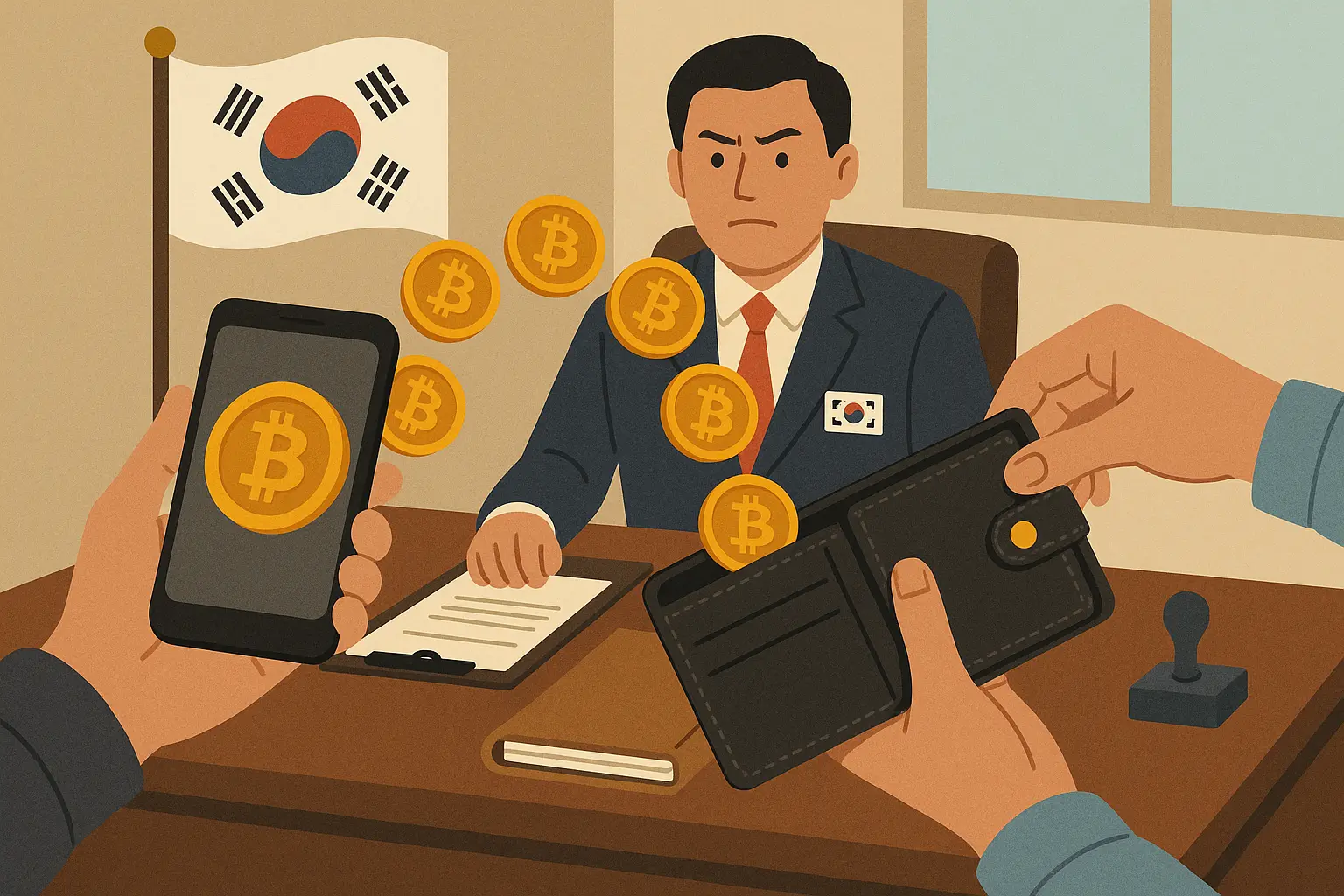
The Korean Financial Intelligence Unit will impose stricter regulation on individual crypto wallets and overseas crypto exchanges. Under the new rules, digital assets transferred to individual wallets exceeding 10 million KRW must be reported, and the 1 million KRW minimum threshold will be removed. The industry is concerned this move may limit trading by Korean users, affect market liquidity, and is calling on the FIU to establish clear risk classification standards.
MarketWhisper·13h ago
news-image

France Passes Custodial Wallet Declaration Law, Tax Authorities Warn of Potential Hacker Attacks

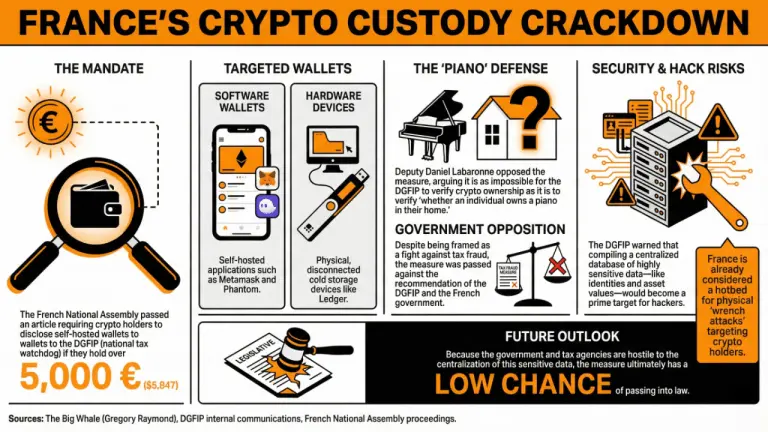
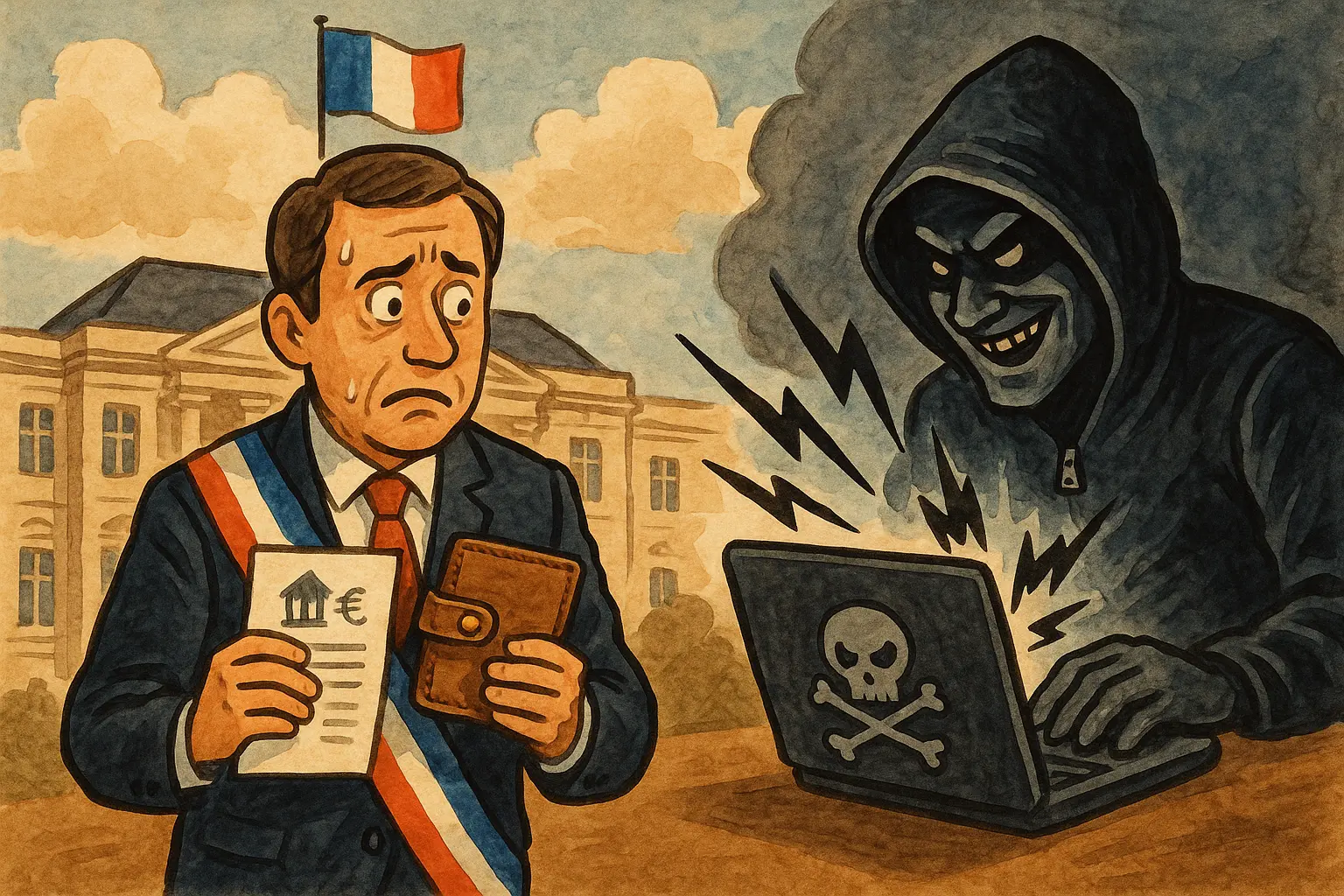
The French National Assembly has passed a rule requiring mandatory reporting of crypto assets held in self-custody wallets above 5,000 euros, applicable to multiple mainstream wallets. The DGFIP opposes this, arguing that enforcement will be difficult and that data centralization will increase user risk. Experts say the law may be hard to implement and urge users to closely monitor subsequent developments.
MarketWhisper·13h ago
news-image