


CLARITY bill approval rate drops to 44%, White House stablecoin compromise plan announced
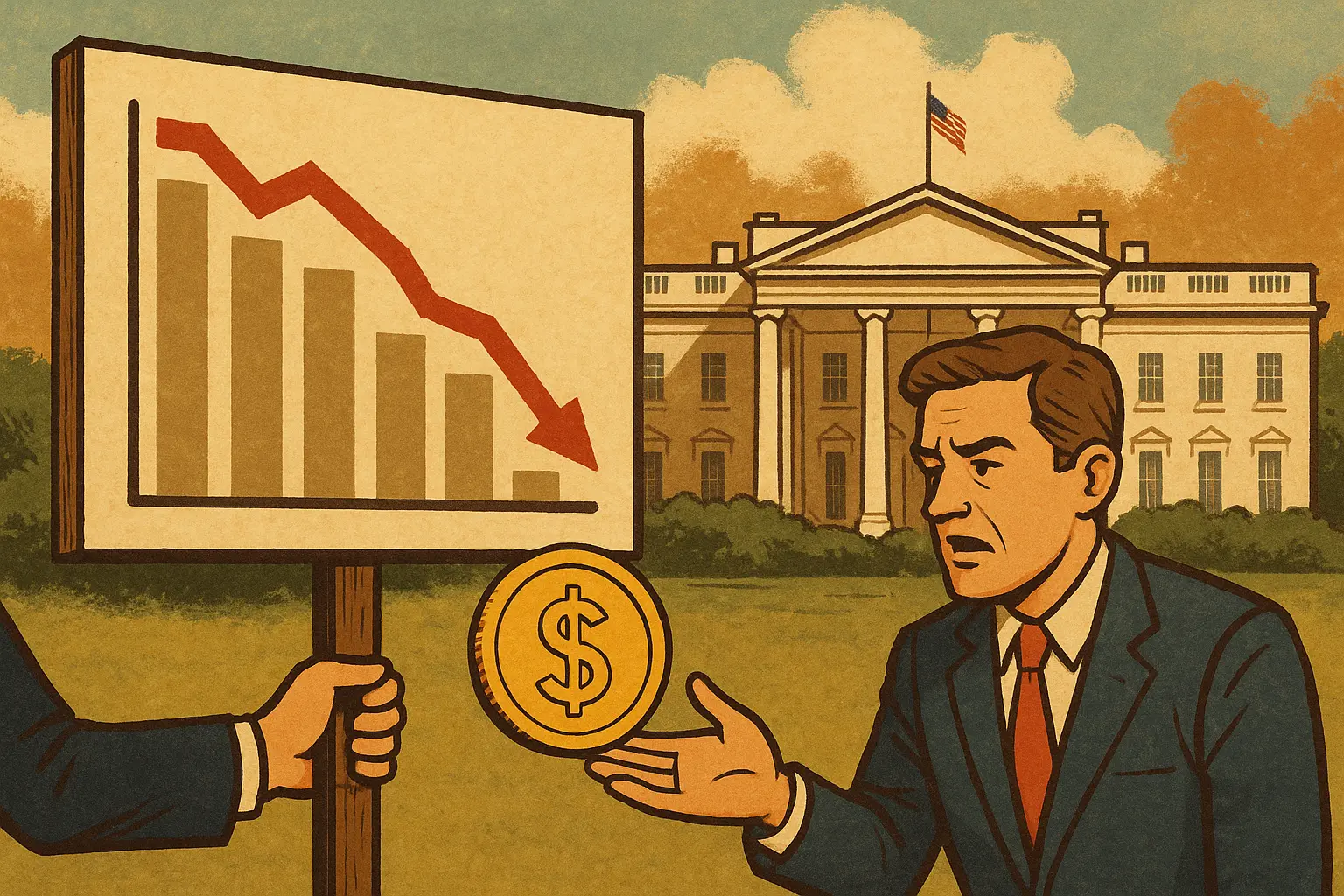
White House Digital Asset Advisor Patrick Vitter outlined a tentative compromise draft of the “CLARITY Act” to representatives from the cryptocurrency industry and banking sector. The core provision bans companies from earning yields on idle stablecoin balances, shifting the discussion toward activity-based reward mechanisms linked to trading or network participation. Data from the Polymarket prediction platform shows that the probability of the “CLARITY Act” passing this year once dropped to 44%.
Key Content and Enforcement Framework of the White House Compromise Proposal
The critical aspect of this draft is the establishment of a “ban on idle yields.” According to the draft, stablecoin issuers cannot offer passive yield on held coins, but reward mechanisms in the following scenarios remain under discussion:
Trade-based Rewards: Incentives tied to actual payment behaviors or on-chain trading volume
Network Participation Incentives: Rewards directly related to activities within the protocol (such as providing liquidity)
Ecosystem Contribution Rewards: Incentives for specific service usage behaviors, not just holding coins
On the enforcement side, proposed anti-avoidance clauses would grant the SEC, Treasury, and CFTC joint authority to enforce the idle yield ban. Civil penalties are capped at $500,000 per violation per day.
Vitter stated that last week’s closed-door meeting significantly narrowed the gap between the banking and crypto industries, and he believes coordination efforts are currently progressing in sync.
Stakeholder Interests and Key Legislative Timeline
This negotiation involves direct clashes of core interests. Industry representatives include Coinbase, Ripple, and venture capital firm Andreessen Horowitz, with industry groups like the Blockchain Association and Crypto Innovation Council also participating. On the banking side, representatives include the American Bankers Association (ABA), the Bank Policy Institute (BPI), and the Independent Community Bankers of America (ICBA).
The main disagreement centers on: banks worry that stablecoin yield mechanisms could lead to a drain of deposits from traditional financial institutions and increase systemic risk; crypto companies warn that overly broad restrictions could stifle innovation and advantage existing financial institutions.
Coinbase Chief Legal Officer Paul Grewal publicly stated that discussions around the bill remain constructive and cooperative. Once negotiators finalize the wording, Senate Banking Committee Chair Tim Scott will decide whether to reschedule the hearing originally set for January 15.
Notably, Vitter admitted that ethical issues involving President Trump’s family’s involvement with cryptocurrency exchanges are still under discussion, but he believes these topics are a lower priority compared to the yield-related disputes in the “CLARITY Act.”
Frequently Asked Questions
How would the “ban on idle yields” in the “CLARITY Act” affect ordinary token holders?
If the bill passes and this ban is enacted, stablecoin issuers would be unable to offer passive interest on holdings, similar to bank deposit interest, thus restricting stablecoin yield products that are purely interest-based. However, reward mechanisms tied to trading or network activity remain under discussion, with specific boundaries depending on the final legislative language.
What does the Polymarket probability increase from 44% to 52% indicate?
Polymarket is a decentralized prediction market, and its probability data reflect collective market sentiment about the outcome of a specific event. The rise from 44% to 52% suggests that market participants are cautiously optimistic about the White House actively engaging in negotiations and the March 1 deadline, but uncertainty about passage still exists.
If the “CLARITY Act” fails to reach consensus by March 1, what are the potential consequences?
March 1 is an internal negotiation target set by the White House, not a legal legislative deadline. Failure to reach consensus by then would delay the Senate Banking Committee’s review process, potentially further postponing overall legislation. Vitter indicated that Chairman Tim Scott will decide on the final review schedule based on negotiation progress.
Related Articles
The stablecoin legislation is about to be implemented, and mainstream CEX stablecoin revenue could surge up to 7 times
TRIA (Tria) increased by 17.95% in the past 24 hours
Gate's spot market share remains among the top three globally, with derivatives ranking fourth in the industry.
LUNA (Terra) increased by 6.08% over the past 24 hours, with a market capitalization of approximately $45.4 million
LUNA Crash Initiator? Terraform Labs Sues Wall Street's Jane Street: Illegally Dumped $85 Million UST
MET (Meteora) has decreased by 15.59% over the past 24 hours, now trading at $0.17