Best Crypto Portfolio for a Bear Market: Top 3 Major Coins to Consider

Beginner
Quick Reads
Last Updated 2026-03-26 15:27:33
Reading Time: 1m
Identifying stable investment opportunities amid a crypto bear market. This article leverages recent price movements and market developments to assess the allocation value and potential risks of Bitcoin, Ethereum, and Solana—the top three cryptocurrencies—during bear market conditions.

What Is a Crypto Bear Market?

A crypto bear market refers to a sustained period of declining prices across the market, shrinking trading volumes, and a clear drop in investor confidence. Much like in traditional finance, the market is considered to have entered a bear cycle when major crypto assets drop more than 20% from recent highs and negative sentiment spreads widely. The current environment shows increased price volatility and heightened caution, signaling that investors are now in a defensive posture.

Current Market Conditions and Price Trends

Recently, leading assets like Bitcoin and Ethereum have experienced downward price swings, intensifying fear and caution among market participants. On-chain data and derivatives markets show a decrease in leverage ratios, indicating that short-term speculative capital is pulling back. At the same time, institutions remain focused on the development of crypto asset infrastructure and compliance progress, highlighting that a bear market does not mean a complete collapse of industry fundamentals.

Bear markets tend to amplify market differentiation. Projects without solid fundamentals are more likely to be eliminated, while leading assets with strong network effects and real-world applications are better positioned to survive.

Three Cryptocurrencies to Watch in a Bear Market

1. Bitcoin (BTC)
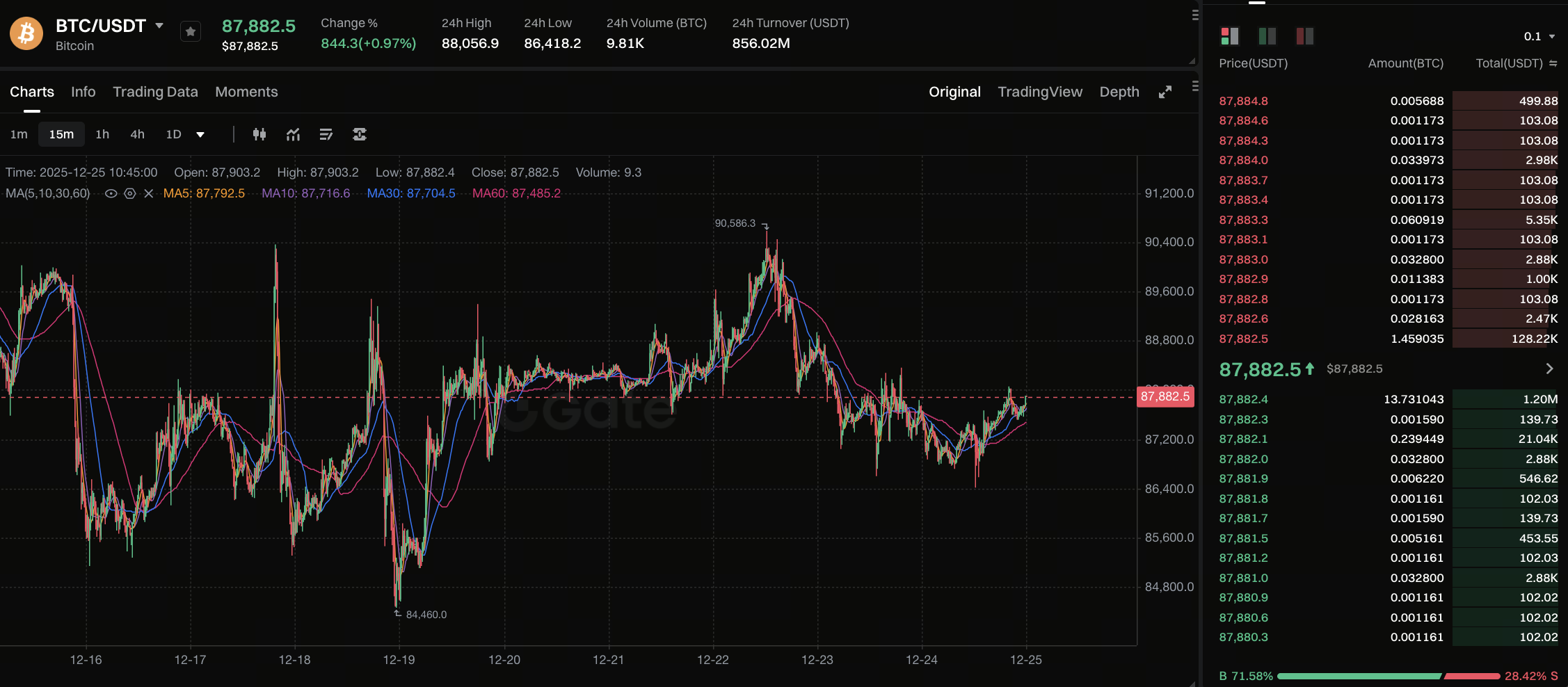

Source: https://www.gate.com/trade/BTC_USDT

As the cornerstone of the crypto market, Bitcoin typically demonstrates stronger downside resilience during bear markets. Historical data shows that Bitcoin has endured deep corrections through several bear cycles, but has ultimately recovered and resumed its upward trend alongside market rebounds.

  • Store of Value: BTC’s capped supply and decentralized design position it as “digital gold” in uncertain times.
  • Institutional Adoption: Bitcoin remains the primary entry asset for institutional capital moving into crypto.

In bear market allocations, Bitcoin is often viewed as a core holding to reduce overall portfolio volatility.

2. Ethereum (ETH)
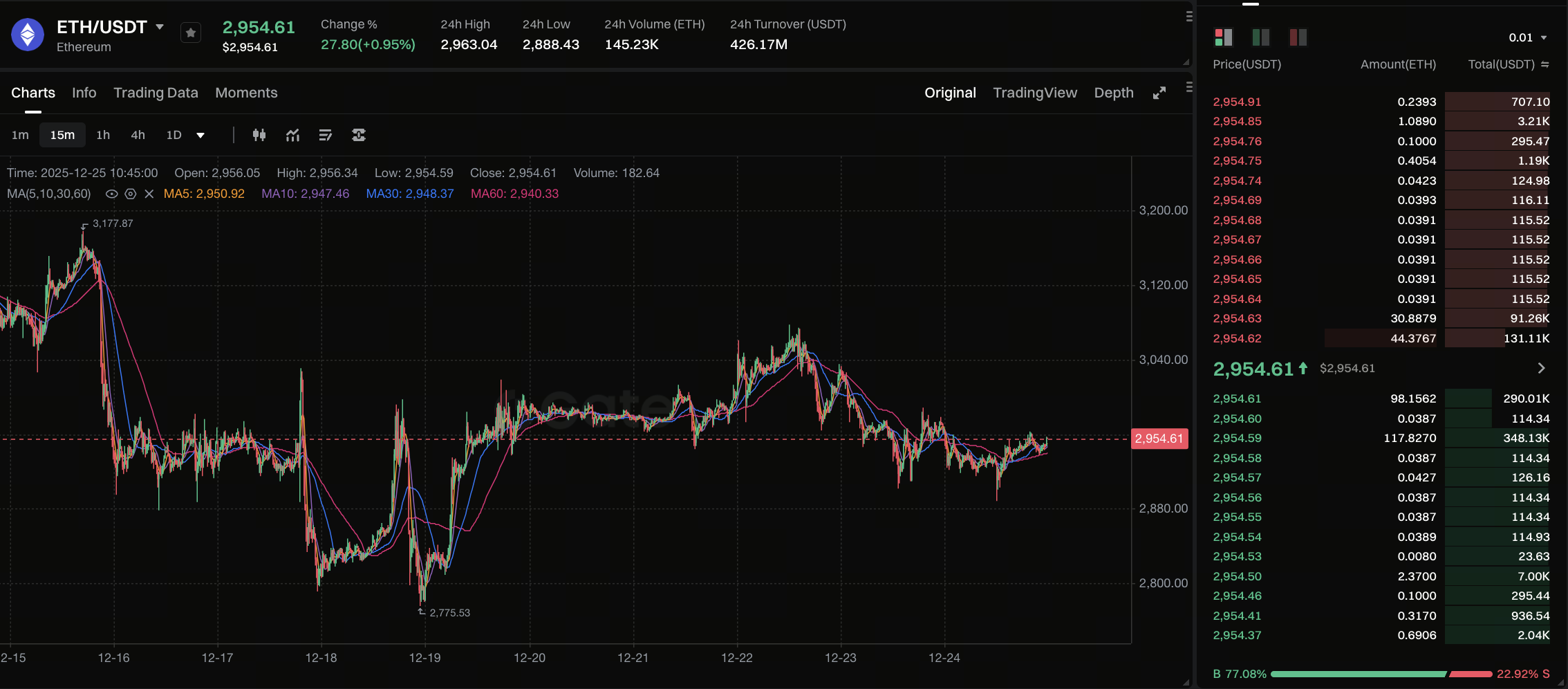

Source: https://www.gate.com/trade/ETH_USDT

Ethereum stands as the leading smart contract platform, with an ecosystem spanning DeFi, NFTs, Layer 2 solutions, and real-world assets (RWA). While ETH also faces price corrections in bear markets, network activity and developer engagement remain robust.

  • Ecosystem Strength: Ethereum boasts the most established developer community and the most comprehensive suite of applications.
  • Deflationary Model: The EIP-1559 mechanism burns a portion of transaction fees, giving ETH deflationary properties under certain conditions.
  • Core Infrastructure: Most Layer 2 and institutional-grade applications continue to rely on Ethereum as their primary settlement layer.

In a bear market, ETH serves as a “growth blue chip.” While it carries higher risk than BTC, its long-term potential is widely recognized by the market.

3. Solana (SOL)
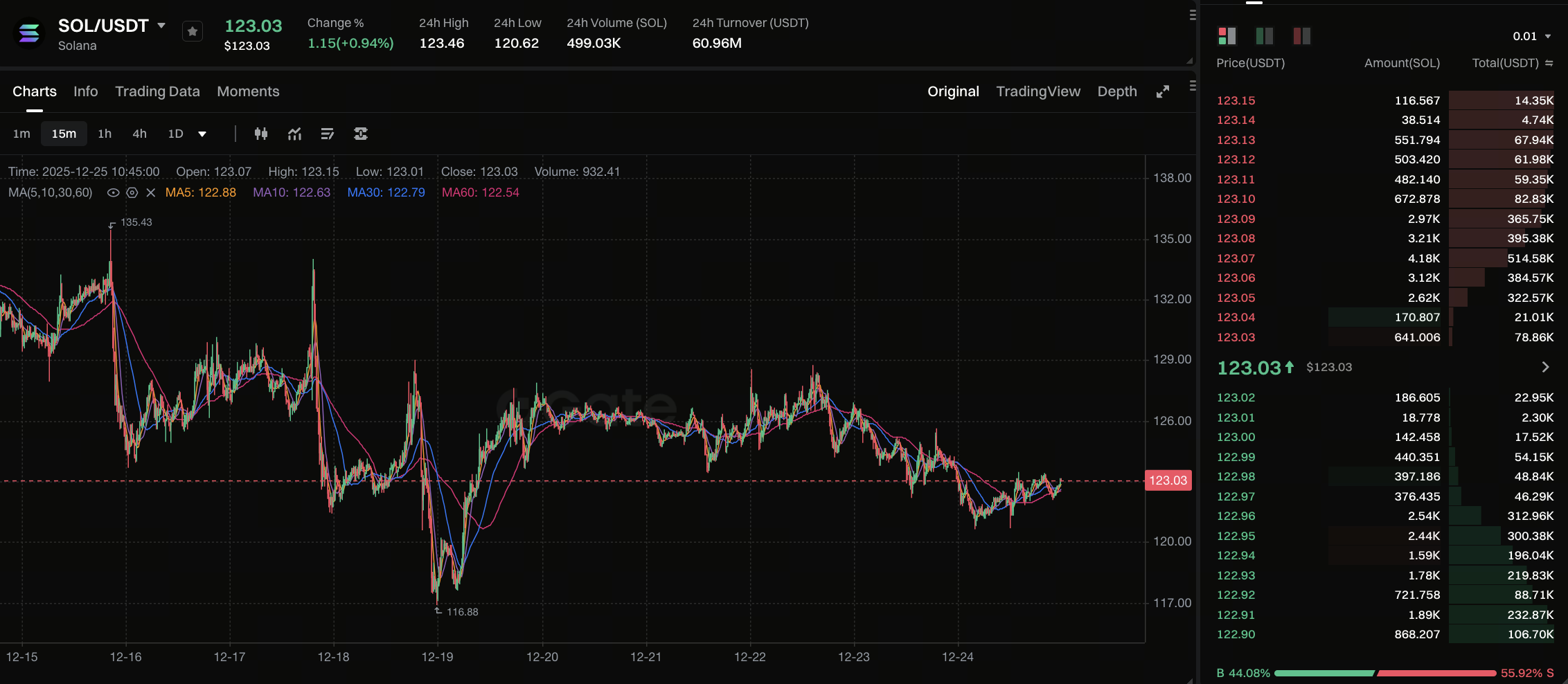

Source: https://www.gate.com/trade/SOL_USDT

Solana is recognized for its high throughput and low transaction fees, making it one of the fastest-growing public blockchains in recent years. Despite its higher price volatility, Solana’s ecosystem maintains strong developer activity even during bear markets.

  • Performance Edge: High-speed transaction processing supports high-frequency application scenarios.
  • Ecosystem Recovery: DeFi and NFT projects are returning to the network, with on-chain activity steadily recovering.

Compared to BTC and ETH, SOL is more aggressive and suits investors with a higher risk appetite.

Bear Market Investment Strategies and Portfolio Management

During a bear market, investment strategies should prioritize risk management over short-term gains:

  • Dollar-Cost Averaging (DCA): Helps avoid market-timing risk associated with lump-sum purchases.
  • Focus on Leading Assets: BTC and ETH usually serve as the core of a balanced portfolio.
  • Limit Leverage: High leverage significantly increases risk in bear market conditions.

Risk Considerations and Long-Term Perspective

Crypto asset prices are heavily influenced by macroeconomic trends, regulatory policies, and market sentiment. Even leading assets can experience significant drawdowns during bear markets. Investors should take a long-term view and allocate capital rationally according to their own risk tolerance.

Conclusion

In a bear market, selecting crypto assets with lasting value is crucial. Bitcoin offers strong defensive characteristics, Ethereum anchors the smart contract and ecosystem core, while Solana provides higher growth potential and flexibility. A balanced allocation among these three helps manage risk and seize opportunities during bear cycles.

Author: Max
Disclaimer
* The information is not intended to be and does not constitute financial advice or any other recommendation of any sort offered or endorsed by Gate.
* This article may not be reproduced, transmitted or copied without referencing Gate. Contravention is an infringement of Copyright Act and may be subject to legal action.

Related Articles

AI-Native Settlement Layers: How United Stables Is Building the Next Financial Rail
Beginner

AI-Native Settlement Layers: How United Stables Is Building the Next Financial Rail

Stablecoins were originally designed as dollar substitutes within exchanges, primarily used for asset pricing and trade settlement. As on-chain financial ecosystems have matured, their role has expanded beyond simple payments to include collateral assets, cross-chain liquidity mediums, and unified settlement units. In particular, as AI systems and automated agents begin to participate directly in economic activity, demand has risen sharply for programmable value units capable of instant settlement. This shift is pushing stablecoins toward the role of foundational financial infrastructure.
2026-03-25 03:16:17
DePIN Identity Network and Real World Applications: How Humanity Protocol Brings on-chain Identity Into the Physical World
Beginner

DePIN Identity Network and Real World Applications: How Humanity Protocol Brings on-chain Identity Into the Physical World

Most Web3 identity systems remain confined to on-chain environments and struggle to achieve meaningful adoption in real world settings. Through a DePIN architecture and physical verification hardware, Humanity Protocol aims to bring decentralized identity into access control systems, hospitality, public services, and offline events, allowing on-chain identity to function not just as a digital credential, but as foundational infrastructure for real world access.
2026-03-25 07:40:53
The ve(3,3) Flywheel Explained: How AERO Tokenomics Powers Aerodrome’s DeFi Economy
Beginner

The ve(3,3) Flywheel Explained: How AERO Tokenomics Powers Aerodrome’s DeFi Economy

In the competition for DeFi liquidity, high-inflation mining alone is no longer enough to build lasting advantages. Aerodrome applies the ve(3,3) economic model to redesign token emissions, voting mechanisms, and revenue distribution, creating a liquidity flywheel centered on governance and cash flow. This article examines AERO tokenomics, the veAERO locking mechanism, and protocol revenue models to explain how Aerodrome builds a sustainable DeFi economic system.
2026-03-25 06:41:58
Aerodrome Tokenomics: How ve(3,3) Powers Base's Most Profitable DEX
Beginner

Aerodrome Tokenomics: How ve(3,3) Powers Base's Most Profitable DEX

AERO is the native token of Aerodrome Finance, a core decentralized exchange and liquidity protocol in the Base ecosystem. It is primarily used for liquidity incentives and ecosystem operations. veAERO is a governance NFT that users receive by locking AERO, representing both voting power and the right to share protocol revenue. Through a dual track structure of AERO as a utility token and veAERO as a governance credential, Aerodrome separates liquidity usage value from long term governance power, allowing participants to act as liquidity providers, governance decision makers, and revenue sharers within the same system.
2026-03-25 06:40:31
Aster vs Hyperliquid: Which Perp DEX Will Prevail?
Beginner

Aster vs Hyperliquid: Which Perp DEX Will Prevail?

Aster and Hyperliquid are the two representative protocols of the "purpose-built L1 path" within the current decentralized perpetual exchange (Perp DEX) sector. As a pioneer in the field, Hyperliquid has built a deep liquidity moat through its highly mature order book architecture and strong community consensus. Conversely, Aster, as a rising challenger, seeks to leapfrog the competition in high-performance trading through more aggressive multi-chain aggregation logic, private transaction modules, and an underlying execution environment optimized for 2026 market demands.
2026-03-24 11:58:33
Gold Price Forecast for the Next Five Years: 2026–2030 Trend Outlook and Investment Implications, Could It Reach $6,000?
Beginner

Gold Price Forecast for the Next Five Years: 2026–2030 Trend Outlook and Investment Implications, Could It Reach $6,000?

Analyze current gold price trends alongside authoritative five-year forecasts, integrating an evaluation of market risks and opportunities. This gives investors insight into the potential trajectory of gold prices and the main drivers expected to shape the market over the next five years.
2026-03-25 18:13:30





