159584

vip
Age 2.3 Yıl
Peak Tier 5
No content yet
🎉 Gate Square Creators Carnival is in full swing!
Post to climb the leaderboard, community relay, share for rewards — split 2,000 USDT and anniversary gift packs
📅 Event duration: April 8th - April 22nd
✅ Post to climb the leaderboard: content quality + engagement data + mining rewards combined score to share 1,200 USDT
✅ TG group check-in: draw 3 anniversary gift boxes each week + 7 experience coupons of 200 U
✅ X sync prize: share content to X platform, split an additional prize pool of 500 USDT
📌 Event details: https://www.gate.com/announcements/article/50593
📌 Registratio
View Original
post-image
post-image
post-image
Gate广场_Official
🎉 Gate Square Creators Carnival is in full swing!
Post to climb the leaderboard, community chain/reply, share for rewards — split 2,000 USDT and anniversary gift packs
📅 Event duration: April 8 - April 22
✅ Post to climb the leaderboard: split 1,200 USDT based on a comprehensive score of content quality + engagement data + mining rewards
✅ TG group check-in: draw 3 anniversary gift boxes every week + 7 experience coupons worth 200 U
✅ X sync prize: share your content to the X platform, split an additional prize pool of 500 USDT
📌 Event details: https://www.gate.com/announcements/article/50593
📌 Registration link: https://www.gate.com/questionnaire/7536
repost-content-media
  • Reward
  • Comment
  • Repost
  • Share
🎬 Gate Anniversary Special Gift "Thirteen Chronicles" —
Not just a story, but the beginning of everything
Every step has led to who we are today 👊
#Gate
View Original
post-image
post-image
Gate广场_Official
🎬 Gate 周年庆特别献礼《拾叁行纪》——
不止是一段故事,而是一切的开始
每一步,都成就了今天的我们👊
#Gate
  • Reward
  • Comment
  • Repost
  • Share
📌 The goal of the Pi Network (Brief ):
🌍 Build decentralized digital currency for everyone
📱 Achieve convenient mining through mobile phones
🛒 Create a real-world payment ecosystem
🔐 Ensure secure and user-friendly blockchain access
🚀 Achieve large-scale global adoption
View Original
post-image
post-image
Doulass44
📌 Goals of Pi Network (Short):
🌍 Build a decentralized digital currency for everyone
📱 Enable easy mining via mobile phones
🛒 Create a real-world payment ecosystem
🔐 Ensure secure and user-friendly blockchain access
🚀 Achieve mass adoption globally
repost-content-media
  • Reward
  • Comment
  • Repost
  • Share
Breaking News: Trump's Global Free Finance Company Threatens Legal Action Against TRON Founder
Justin Sun accuses WLFI of hiding a feature in the smart contract designed to freeze wallets. Companies associated with Trump have responded.
The team of the decentralized finance project (WLFI) linked to the Trump family responded on April 12 to recent allegations made by TRON network founder Justin Sun, stating: "See you in court, buddy." This phrase hints at impending legal proceedings against the entrepreneur.
WLFI-0,41%
TRX-0,84%
View Original
post-image
post-image
GateUser-05fb065f
JUST IN: Trump’s World Liberty Financial Threatens Legal Action Against TRON Creator
Justin Sun accused WLFI of concealing a feature within a smart contract designed to freeze wallets. The firm associated with Trump has responded.
The team behind World Liberty Financial (WLFI) the decentralized finance (DeFi) project linked to the family of President Donald Trump responded on April 12 to recent accusations made by Justin Sun, founder of the Tron network, stating: "See you in court, buddy." This remark suggests the commencement of legal proceedings against the entrepreneur.
repost-content-media
  • Reward
  • Comment
  • Repost
  • Share
Breaking News: The Linux kernel now permits contributions of code generated by artificial intelligence, but this openness comes with a key condition: all responsibility is borne by the submitter.
The latest guidelines for the project clearly state that AI assistants cannot prove the origin of the code and cannot assume any legal obligations. Therefore, developers must review the code line by line and be responsible for any errors, licensing issues, or technical failures.
If the submitted code meets the project's standard rules, Linux will allow AI-generated code to be submitted to the kern
View Original
post-image
post-image
GateUser-57a13182
JUST IN: The Linux kernel already allows contributions of AI generated code, but this openness comes with a key condition: all responsibility rests with the person submitting it.
The project's new guidelines make it clear that AI assistants cannot certify the code's origin or assume any legal obligations. Therefore, developers must review every line and be responsible for any errors, licensing issues, or technical failures.
Linux will allow AI generated code to be submitted to the kernel if it adheres to the project's standard rules.#GateSquareAprilPostingChallenge
repost-content-media
  • Reward
  • Comment
  • Repost
  • Share
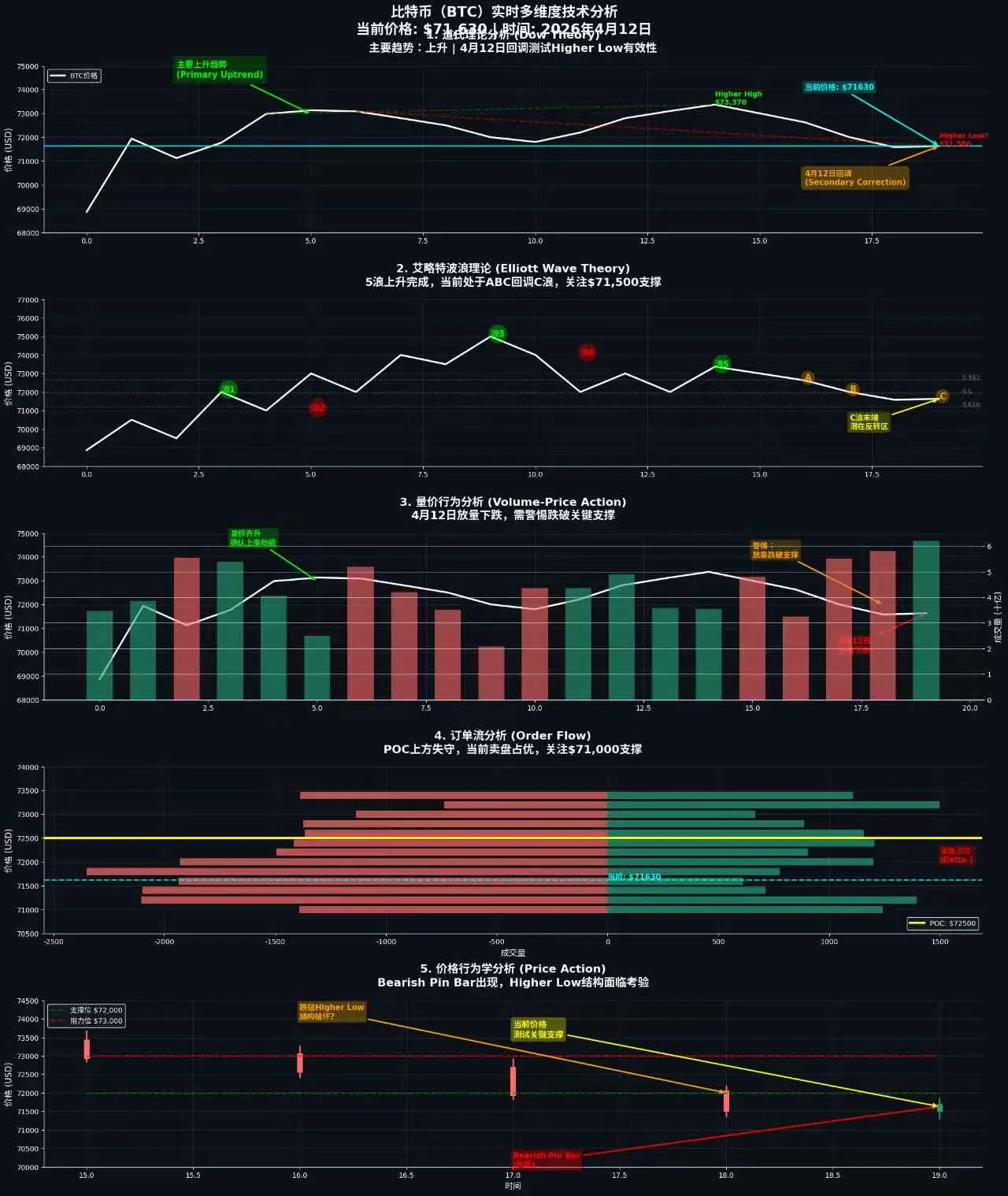
1. Dow Theory Analysis
Current Signal: The main upward trend is under test; on April 13th, it broke below Higher Low, warning of structural breakdown!
Technical Features:
• Primary Trend: Upward — rebounded from the April 7th low of $68,860 to the April 11th high of $73,370
• Secondary Correction: Continued pullback on April 12-13, breaking below the previous low of $71,580 on April 13
• Key Structural Breakdown: Higher Low structure was broken, support at $71,580 lost
Key Observations:
• Higher High: $73,370 (April 11)
• Higher Low: $71,580 (April 12, already broken)
• Curre
View Original
post-image
post-image
Dream379
Comprehensive Dow Theory, Wave Theory, Volume-Price Behavior, Order Flow, and Price Action Analysis for BTC Short-term Trend:
$BTC
1. Dow Theory Analysis
Current Signal: The main upward trend is under test, a break below Higher Low on April 13th, warning of structural damage!
Technical Features:
• Primary Trend: Upward — rebound from $68,860 low on April 7 to $73,370 high on April 11
• Secondary Correction: Continuous pullback on April 12-13, breaking below previous low of $71,580 on April 13
• Key Structural Damage: Higher Low structure broken, support at $71,580 lost
Key Observations:
• Higher High: $73,370 (April 11)
• Higher Low: $71,580 (April 12, already broken)
• Current Price: $70,652 below previous low, trend structure broken
Short-term Judgment: The main upward trend is severely threatened; if it cannot quickly recover $71,500, a trend reversal to bearish may occur
2. Elliott Wave Theory
Current Signal: Wave C extension breaks key support, beware of trend reversal
Wave Structure:
• Wave 1: $68,860 → $72,000 (impulse wave)
• Wave 2: retracement to $69,500 (0.618 retracement)
• Wave 3: main rally to $75,000 (1.618 extension)
• Wave 4: retracement to $74,000 (0.382 retracement)
• Wave 5: extension to $73,370 (failed Wave 5)
ABC Correction (Wave C extension):
• Wave A: $73,370 → $72,626
• Wave B: rebound to $73,000
• Wave C: extended downward to $70,652 (beyond expectations, breaking key support)
Key Signal: Wave C exceeds 1.618 times Wave A, indicating strong bearish force, possibly not just a correction but a trend reversal
Short-term Judgment: Wave C extension breaks key support, beware of evolving from correction to downtrend, with support at $70,000-$69,000
3. Volume-Price Behavior Analysis
Current Signal: Volume spike on April 13th breaking key support, bears dominate
Volume-Price Relationship:
• Rising volume: rebound to $73,370 accompanied by increased trading volume
• Initial retracement with decreasing volume: April 12th retracement to $71,580 with shrinking volume, appearing as healthy consolidation
• Volume spike on April 13th break: volume significantly increased when breaking below $71,500, heavy selling pressure
Key Observations:
• Volume spike confirms bears’ dominance after breaking key support
• Volume and price decline in sync, no signs of stabilization via shrinking volume
• Longs’ stop-loss orders surge, causing a cascade effect
Short-term Judgment: Volume-driven decline confirms short-term bearish dominance; wait for shrinking volume signals to stabilize before considering bottom fishing
4. Order Flow Analysis
Current Signal: Trading below POC, sell-side dominance, support turns into resistance
Key Data:
• POC (Point of Control): $72,500 — area with highest previous volume, now broken and turned into resistance
• Value Area: shifted downward, current price below lower boundary of value area
• Imbalance (Delta): active sell volume > active buy volume at current price, Delta negative
• Liquidity Distribution: below $70,000-$69,000, there are long stop-loss liquidity pools
Order Book Observation:
• Dense sell orders in the $71,500-$72,500 range, forming resistance wall
• Weak buy orders around $70,000, support fragile
Short-term Judgment: After losing POC, trend turns bearish; rebound to $71,500-$72,000 can be shorted, with stop-loss at $72,500; downside targets at $70,000-$69,500
5. Price Action Analysis
Current Signal: Bearish breakdown, Higher Low structure broken, trend turns bearish
Key Patterns:
Bearish Breakdown: April 13th price breaks below $71,500 key support, a strong bearish signal
Higher Low structure broken: $71,580 low breached, upward trend disintegrated
Key Level Transitions:
Original support at $71,500 → new resistance
Support below at $70,000 (psychological level), $69,500 (previous low)
Price Behavior:
Current price $70,652 tests lower support
If it breaks below $70,000, downside opens to $69,000-$68,000
If it holds and rebounds above $71,500, a false breakout is likely, and bullish view can be reconsidered
Short-term Judgment: Bearish breakdown confirmed, trend turns bearish, focus on shorting rebounds, wait for stabilization signals before considering bottom fishing
⚠️ Urgent Risk Reminder:
• Current price $70,652 has broken key support at $71,500, structural damage
• If it cannot quickly recover $71,500, trend reversal to bearish confirmed
• Key supports below: $70,000 (psychological level), $69,500 (previous low)
• Suggest position control at 1-2x leverage, strict stop-loss, currently mainly observing or shorting, avoid rushing to bottom fish
repost-content-media
  • Reward
  • Comment
  • Repost
  • Share
Bitcoin and the Impact of Cryptocurrency
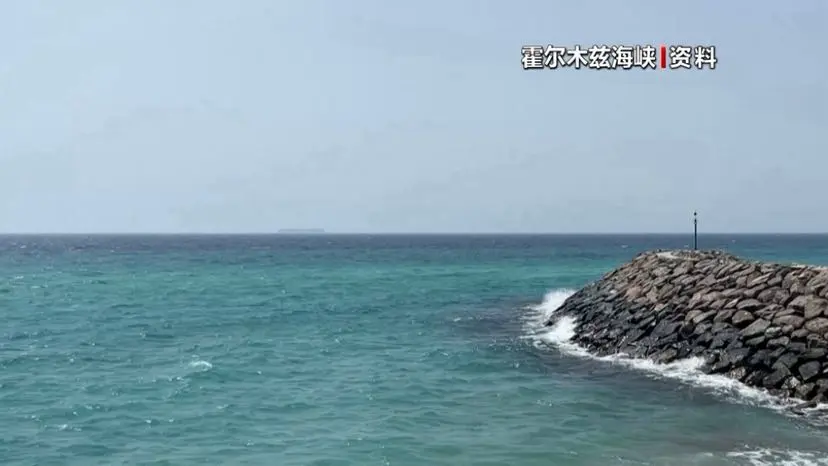
On April 12, 2026, Trump threatened to block the Strait of Hormuz, and—together with Iran’s “charging system” that was legalized in March 2026—this brought a crucial turning point for cryptocurrencies. Iran charges about $1 per barrel of oil, with the maximum reaching ( million USD, for supertankers $2 , plus ) fees for tanker transit, and it accepts payments in Bitcoin, USDT, RMB, or CIPS. This is the most vivid and direct example of national-level sanctions evasion and de-dollarization.
What is the crypto charging system?
Friendly countries (, especi
BTC1,48%
View Original
post-image
post-image
User_any
The Impact on Bitcoin and Cryptocurrencies
On April 12, 2026, Trump's threat to blockade the Strait of Hormuz, combined with Iran's "toll system" legalized in March 2026, created a critical turning point for cryptocurrencies. Iran charges approximately $1 per barrel (up to $2 million for supertankers) for tanker transit and accepts payments in Bitcoin, USDT, yuan, or CIPS. This is the most concrete example of sanctions evasion and de-dollarization at the state level.
What is a Crypto Toll System?
Friendly countries (especially China) receive easy passage, while others undergo security screening + crypto payment. Once payment is confirmed, the Revolutionary Guard issues a code and provides bot escort. Iran already earns hundreds of millions of dollars from Bitcoin mining; now it is transferring this to energy trade. According to Chainalysis and TRM Labs, this is the new standard for billions of dollars worth of sanctions-resistant trade.
Direct Impact on Cryptocurrencies
- $20 million in potential daily crypto payments are increasing BTC and USDT liquidity.
- Stablecoins (USDT) are preferred because they are fast and difficult to track.
- Iran became the first state to officially accept BTC and stablecoins in energy trade. This sets a model for countries like Russia and Venezuela and strengthens the "petrocrypto" axis.
Specific Impacts on Bitcoin
In the short term, geopolitical tensions and the surge in oil prices ($100-116 range) are putting BTC under risk-off pressure. However, in the long term, BTC's "censorship-resistant" nature stands out. Iran's BTC payments support the de-dollarization narrative. Ray Dalio's thesis comes into play here: if the US cannot enforce the blockade, dollar hegemony will be questioned and BTC demand will increase.
Risks and Opportunities
- Volatility: Sudden BTC movements can be expected with the first Chinese tanker transit.
- Regulatory pressure: The US may consider crypto payments a sanctions violation.
- Opportunity: Crypto is becoming an alternative financial infrastructure for the global South and BRICS.
While Trump's move aims to disrupt China's independent oil pipeline, Iran's crypto toll booth is having the opposite effect: making cryptocurrencies a strategic tool for states. This means both short-term risk and long-term legitimacy and increased demand for BTC. The first tanker transit will determine everything.
Gate Square readers should closely follow crypto's new role in this geopolitical chess game. Developments are changing moment by moment.
#CryptoMarketRecovery
#USIranCeasefireTalksFaceSetbacks
#OilEdgesHigher
#GateSquareAprilPostingChallenge
$BTC ‌⚠️Don't Forget to mark Stoploss and manage risk properly.
👉NFA
👉DYOR
#GateSquareAprilPostingChallenge
Take action now and post your first plaza message in April!
👉️ https://www.gate.com/post
🗓 Deadline: April 15th
Details: https://www.gate.com/announcements/article/50520
repost-content-media
  • Reward
  • Comment
  • Repost
  • Share
$TRADOOR Signal】High-level consolidation, waiting for a deep pullback to go long
$TRADOOR 1H level high-level sideways trading, with a gap in buy order depth. The 4H Bollinger upper band at 5.78 shows obvious resistance, the 1H MACD histogram continues to shrink, prices hit new highs but momentum is exhausted. The sell order wall on the order book is stacked above 5.38, buy orders are concentrated at 5.35-5.36, with a clear support intention but heavier selling pressure above. Funding rate is 0.238%, relatively high, long position costs are increasing.
🎯Direction: Watch and wait (wait fo
TRADOOR9,09%
BTC1,48%
ETH1%
SOL1,02%
View Original
post-image
post-image
EleventhQuantification
$TRADOOR Signal】High-level consolidation, waiting for a deep pullback to go long
$TRADOOR 1H level high-level sideways trading, with a gap in buy order depth. The 4H Bollinger upper band at 5.78 shows obvious resistance, the 1H MACD histogram continues to shrink, prices hit new highs but momentum is exhausted. The sell order wall on the order book is stacked above 5.38, buy orders are concentrated at 5.35-5.36, with a clear support intention but heavier selling pressure above. Funding rate is 0.238%, relatively high, long positions are increasing in cost.
🎯Direction: Watch and wait (wait for a pullback to go long)
⚡Pending orders: Accumulate in batches within the 4.168 - 5.331 range
🛑Stop loss: 3.786
🚀Target 1: 5.374
🚀Target 2: 5.395
🛡️Trading management:
- Execution strategy: After reaching Target 1, reduce position by 50%, and move the stop loss to break-even. If the price falls back into the entry zone, exit automatically to protect capital.
The current risk-reward ratio is not ideal; chasing the high directly is like working for the fee rate. The 1H RSI is at 67 and not overbought, but there is divergence between volume and price, with active buying weakening. Wait for a decent pullback to test the EMA50 support, while also consuming the high fee rate. Stable open interest indicates no large-scale capitulation, and a deep retracement is an opportunity.
Check real-time market 👇 $TRADOOR
---
Follow me: Get more real-time analysis and insights on the crypto market! $BTC $ETH $SOL
#Gate上线Pre-IPOs #Gate现货衍生品双双冲进全球前三 #原油小幅上涨
  • Reward
  • Comment
  • Repost
  • Share
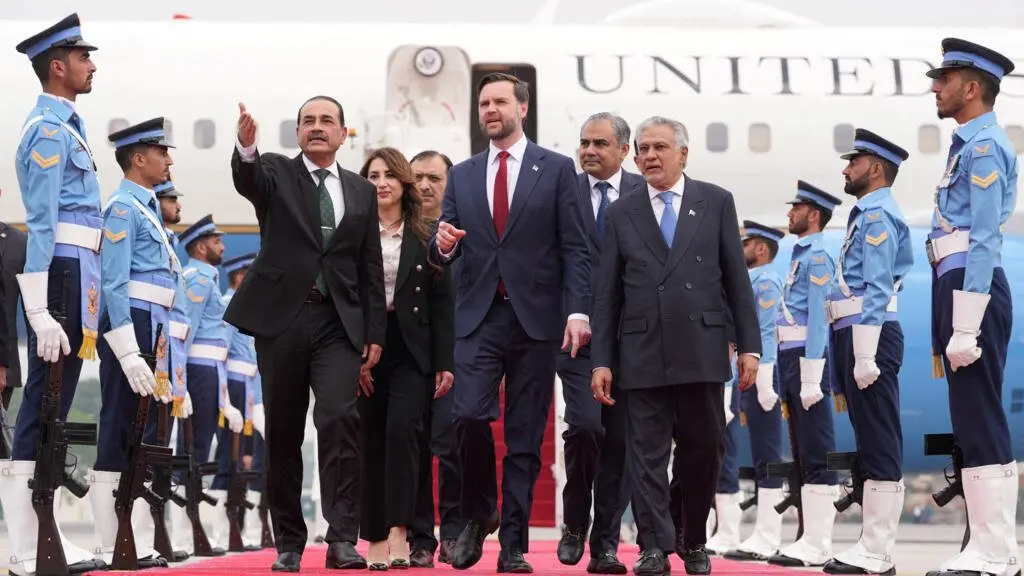
1. Middle East Situation (U.S.-Iran Negotiations)
On April 12, after mediation by Pakistan, the intensive 21-hour negotiations between the U.S. and Iran in Islamabad officially broke down, with no agreement signed.
Core disagreements: control of the Strait of Hormuz (Iran wants to lead toll collection, the U.S. demands free passage), uranium enrichment rights, lifting sanctions and asset freezes.
Both delegations have gradually left Pakistan, and there is no timetable for the next round of talks.
The U.S. military simultaneously announced mine clearance operations in the strait, Israel s
BTC1,48%
ETH1%
SOL1,02%
DOGE0,52%
View Original
post-image
post-image
Nice隔壁王叔
1. Middle East Situation (US-Iran Negotiations)
On April 12, after mediation by Pakistan, the intensive 21-hour negotiations between the US and Iran in Islamabad officially broke down, with no agreement signed.
Core disagreements: control of the Strait of Hormuz (Iran wants to lead toll collection, the US demands free passage), uranium enrichment rights, lifting sanctions and asset freezes.
Both delegations have gradually left Pakistan, and there is no schedule for the next round of talks.
The US military simultaneously announced mine clearance operations in the strait, Israel stated it will continue to target Iranian proxies, the ceasefire window has expired, and the situation is tightening.
2. Cryptocurrency Market
On April 12, Bitcoin sharply plunged, briefly falling below $71,300, down over 2% intraday.
Ethereum, SOL, Dogecoin, and others also declined simultaneously.
In the past 24 hours: over 106k traders were liquidated, totaling $306 million.
The market is affected by the breakdown of US-Iran negotiations and macroeconomic data uncertainties, with risk aversion increasing.
3. Other Important News
Domestic: Five departments regulate AI anthropomorphic services, banning virtual companions for minors.
Technology: Yushu H1 humanoid robot runs at 10 m/s, breaking the world record.
Energy: International gold prices rise, New York gold futures break through $2,400 per ounce. #Gate上线Pre-IPOs $ETH
repost-content-media
  • Reward
  • Comment
  • Repost
  • Share
The Negotiation Table Breaks Down, Battlefield Fires Continue — US-Iran Talks End in Failure, Middle East Situation Adds New Variables
On April 12, at the Serena Hotel in Islamabad, Pakistan, the highly watched US-Iran talks drew to a close after roughly 21 hours — not with a period, but with a huge question mark. At a press conference, US Vice President Vance announced that the US and Iran failed to reach an agreement, and the US delegation would return to the United States. Meanwhile, Lebanon’s death toll has surpassed 2,000; the Strait of Hormuz remains under strict control under Iran’s gun
View Original
post-image
post-image
RiverOfPassion
The Negotiation Table Breaks Down, Battlefield Fire Continues — US-Iran Talks End in Failure, Middle East Situation Adds New Variables
On April 12, at the Serena Hotel in Islamabad, Pakistan, the highly watched US-Iran negotiations drew to a close after about 21 hours—ending not with a period, but with a huge question mark. At a press conference, US Vice President Vance announced that the US and Iran failed to reach an agreement, and the US delegation would return to the United States. Meanwhile, Lebanon’s death toll had already exceeded 2,000, the Strait of Hormuz remains under strict control at the point of an Iranian gun, and the Houthis have issued new threats toward the Red Sea. After a negotiation that had no winner ended, the suspense in the Middle East was only just beginning.
1. 21 Hours of Gaming: US-Iran Talks Break Down
On the morning of April 12, local time, US Vice President Vance held a press conference at the Serena Hotel in Islamabad and announced the final outcome of the negotiations. Vance said that after about 21 hours of talks, the US and Iran still had not reached an agreement. Both sides carried out multiple rounds of “substantive discussions,” but in the end produced no results. The US side had clearly put forward its own “red lines” and the conditions it found acceptable and unacceptable, while Iran “chose not to accept these terms.”
Vance said plainly: “We have now conducted 21 hours (of negotiations), and we’ve had multiple substantive discussions with the Iranians. This is good news. The bad news is that we did not reach an agreement. I think this is worse news for Iran than it is for the United States. We will return to the United States without an agreement.”
The US side’s core demands never wavered. Vance pointed out that the US requires Iran not only to not develop nuclear weapons now, but also to commit in the long term to not obtain the relevant capabilities and technologies; however, “we have not yet seen such a clear willingness.” He emphasized that this goal is the central demand of US President Trump in the negotiations.
Vance also revealed that during the roughly 21-hour negotiation process, the US maintained “continuous communication” with President Trump and the national security team, and had already presented Iran with a final package, waiting for the other side to respond. During the negotiations, Trump himself said that talks between the US and Iran might result in an agreement, or might not—but for him, “there’s no difference.”
However, Iran’s narrative was completely different. During a phone call with French President Macron, Iranian President Pezeshkian said that Iran had seriously participated in the Islamabad talks, and whether the negotiations would succeed depended on the US. An Iranian source also said that because the US made excessive demands during the negotiations, the talks did not make substantive progress, and there were still serious disagreements between the two sides over the right of passage through the Strait of Hormuz and other key issues.
Iran’s tough stance ran throughout. During the negotiations, Baghae, a spokesperson for Iran’s Ministry of Foreign Affairs, said that Iran’s Parliament Speaker Kalibaf and Foreign Minister Aragzi had clearly conveyed to the Pakistani side all of Iran’s considerations, views, and demands based on the “ten-point plan,” including establishing jurisdiction over the Strait of Hormuz, having the “aggressor” pay the full amount of war reparations, unfreezing Iranian frozen assets unconditionally, and achieving a ceasefire within all geographic areas of the “resistance front.” Iran’s Deputy Foreign Minister Lavanch previously confirmed that all parties had agreed to use Iran’s “ten-point plan” as the basis for negotiations—the plan includes core terms such as a mutual non-aggression treaty, recognition of Iran’s control over the Strait of Hormuz, and acceptance of Iran’s uranium enrichment activities.
Subsequently, the Iranian government said on social media that “although there are still some differences, the negotiations will continue.” But Vance’s statement has already shown that at least for now, the US does not intend to stay at the negotiating table.
2. Vance’s “Thanks” and Trump’s “Not Much Concern”
At the press conference, Vance thanked Pakistan for its mediation, saying that it “did an excellent job,” and that it indeed worked to help bridge differences between the US and Iran and reach an agreement. He also emphasized that the failure to achieve results in the negotiations was not due to Pakistan.
At an interview at the White House, Trump said that the talks between the US and Iran in Islamabad might lead to an agreement, or they might fail—but for him, “there’s no real difference.” This statement sends a rather thought-provoking signal: in Trump’s view, the diplomatic game at the negotiating table does not seem to be that important—what matters is whether the Strait of Hormuz is ultimately opened, whether Iran’s nuclear program is restrained, and clearly Trump does not plan to rely entirely on negotiations to resolve these matters.
At the same time, Iran’s top leader Mujtaba Khamenei had earlier put forward a written “three-point proposal”: aggressors must compensate for losses; management of the Strait of Hormuz will enter a new stage; Iran will never give up its legitimate rights, and will treat all “resistance front” forces in this region as a whole. This position never changed throughout the negotiations.
3. Artillery Fire Beyond the Negotiation Table: Lebanon Death Toll Breaks 2,000
While US and Iranian representatives debated terms inside the Islamabad meeting room, Lebanon’s war fires were still burning.
According to data released by Lebanon’s Ministry of Public Health on April 11, since hostilities between Lebanon and Israel reignited on March 2, Israeli attacks on Lebanon have caused 2,020 deaths and 6,436 injuries. Just in the large-scale airstrikes carried out by Israel on April 8 alone, at least 357 people were killed and 1,223 injured, and because debris was still being cleared, the actual death toll had not yet been finalized.
Even more heartbreaking is that since the announcement of a ceasefire between the US and Iran until the morning of April 12, Israeli airstrikes lasting only 10 minutes had killed at least 300 civilians, including 120 children and 80 elderly people; a total of over 420 homes had been destroyed, and 3 hospitals and 27 health clinics had been shut down completely due to the bombings. Jinwu Data reported on April 12 that on Saturday, a series of Israeli airstrikes on five towns in southern Lebanon caused another 19 deaths.
Lebanon’s humanitarian crisis continues to worsen. More than 1 million Lebanese have lost their homes due to airstrikes by the Israeli forces, including more than 130,000 people placed in government-designated shelters. The Lebanese government has repeatedly called on the international community to step in, but Israel’s military actions are still ongoing. The Lebanese and Israeli ambassadors to the US had originally been scheduled to hold their first meeting at the US Department of State on April 14 to discuss a ceasefire, but Israel clearly stated that it would refuse to discuss a ceasefire with Hezbollah of Lebanon—and Hezbollah is the actual belligerent in this war.
4. Strait of Hormuz: Passage Under the Barrel of a Gun
As news of the negotiations’ breakdown spread, the situation in the Strait of Hormuz remained tense.
According to a report by Iran’s Fars News Agency on April 11, data from the ship-tracking website “Maritime Traffic” shows that vessel passage through the Strait of Hormuz is currently still extremely limited, and all transiting ships pass under direct monitoring by Iran. The Tasnim News Agency of Iran reported the same day that in the Islamabad talks, the US obstructed agreement on the negotiation framework with what it called “the usual exorbitant bargaining tactics,” and the Strait of Hormuz is one of the core issues where serious differences exist between the two sides.
The UK’s Financial Times, citing people familiar with the matter, reported that Iran refused to accept the US proposal for “joint control” of the Strait of Hormuz, insisting on retaining control over this key waterway, saying it has the right to charge “tolls” to ships passing through. Earlier reports said that Iran wanted to charge $1 per barrel, with payment only possible in cryptocurrency or RMB—this demand was strongly opposed by Trump.
Although Vance did not directly mention the Strait issue at the press conference, he emphasized that the US “very clearly spelled out its ‘red lines,’” making it clear on which issues it was willing to make concessions and on which issues it would not. Clearly, control over the Strait of Hormuz belongs to the latter.
Data shows that there are still hundreds of vessels trapped inside the Persian Gulf, including more than 400 oil tankers. Shipping companies generally take alternative routes that bypass the Cape of Good Hope, increasing transportation costs by about 25%. The restoration of the global energy supply chain is a long way off.
5. Threats From the Houthis: The Red Sea May Become a Second Front
With the breakdown of US-Iran talks and Israel’s continued strikes on Lebanon, Yemen’s Houthi threat is shifting from “warnings” to “reality.”
Houthi leader Abdul-Malik al-Houthi had previously made it clear that Israel’s continued aggression in Lebanon could lead to a full-scale restart of hostilities, and said that it had “completely and finally prevented Israel and the US from using the Red Sea for hostile military purposes.” The Houthi military spokesperson Yahya Sarea previously claimed that within the past 24 hours, the Houthis used missiles and drones for the third time to attack the US aircraft carrier “USS Harry S. Truman” and other “enemy warships” located in the Red Sea.
The Houthi threat is directly linked to the situation in Lebanon. Analysts point out that the Houthis are tying their military operations in the Red Sea and the Bab el-Mandeb Strait to the fate of Hezbollah in Lebanon. Once the Bab el-Mandeb Strait is blocked, and combined with the Strait of Hormuz still being under strict control, the global energy supply chain will face dual pressure from both the east and the west.
The Red Sea route accounts for about 12% of global trade transportation volume. Some shipping companies have already chosen to bypass the Cape of Good Hope due to security risks, increasing the voyage time by about 15 to 20 days and multiplying insurance costs by several times compared with normal. If the situation deteriorates further, the global supply chain will face even greater pressure.
6. The Bill for War: More Than 4,400 Lives
No matter what agreement is ultimately reached at the negotiating table, the cost already paid by this war cannot be undone.
Data released by the World Health Organization on April 9 shows that since February 28, the large-scale military strikes by the US and Israel against Iran have resulted in nearly 2,400 deaths in Iran and more than 32,000 injuries, with another 3.2 million people displaced. US and Israeli military actions have also led to more than 1,700 deaths in Lebanon, nearly 6,000 injuries, and more than 1 million Lebanese losing their homes. Adding Israel’s 24 deaths and over 7,000 injuries, this conflict has caused more than 4,400 people to die and more than 45,000 to be injured, with more than 4.2 million people displaced.
UN High Commissioner for Human Rights Türk previously said that the US and Israel are increasingly striking densely populated residential areas in Iran and trying to destroy Iran’s civilian infrastructure. Among them, attacks targeting nuclear facilities were described as “an utterly irrationally reckless act.”
7. Future Uncertainty
After the negotiations broke down, the future direction of the Middle East is full of uncertainty.
The US delegation will return to the United States, and whether Trump will take the next step in military action remains the biggest suspense. Iran has said “the negotiations will continue,” but Vance’s statement indicates that at least for now, the US does not plan to return to the negotiating table.
Israel’s military operations against Lebanon are still ongoing, and the outlook for the Lebanon-Israel talks scheduled to be held in Washington on April 14 remains unclear. Iran insists on including a ceasefire in Lebanon in the negotiation framework, while the US says a ceasefire “does not include Lebanon.” This fundamental disagreement was not resolved in the Islamabad negotiations, and may not be able to be bridged in the future.
The Strait of Hormuz remains under strict Iranian control, with hundreds of vessels still trapped inside the Persian Gulf. Restoring shipping to pre-war levels may take months.
The threat from the Houthis toward the Red Sea continues to escalate. If the fighting in Lebanon continues to expand, the Red Sea and the Bab el-Mandeb Strait may become the next “powder keg” in the Middle East.
Conclusion: 21 Hours of Negotiations Could Not Bridge the Decades-Long Gap Between the US and Iran. Vance said “this is bad news for Iran,” while Iran said “whether the talks succeed depends on the US”—between these two narratives lies the width of the Strait of Hormuz. And beyond the negotiating table, beneath the rubble in Lebanon, new bodies are still being dug out; in the Persian Gulf, ships still wait for clearance to pass; and US aircraft carriers in the Red Sea are still facing the missile threat from the Houthis. This war has no winners, but there have been too many losers already. The breakdown of talks is not the end—it is the starting point for a new round of games.
#Gate廣場四月發帖挑戰
repost-content-media
  • Reward
  • Comment
  • Repost
  • Share
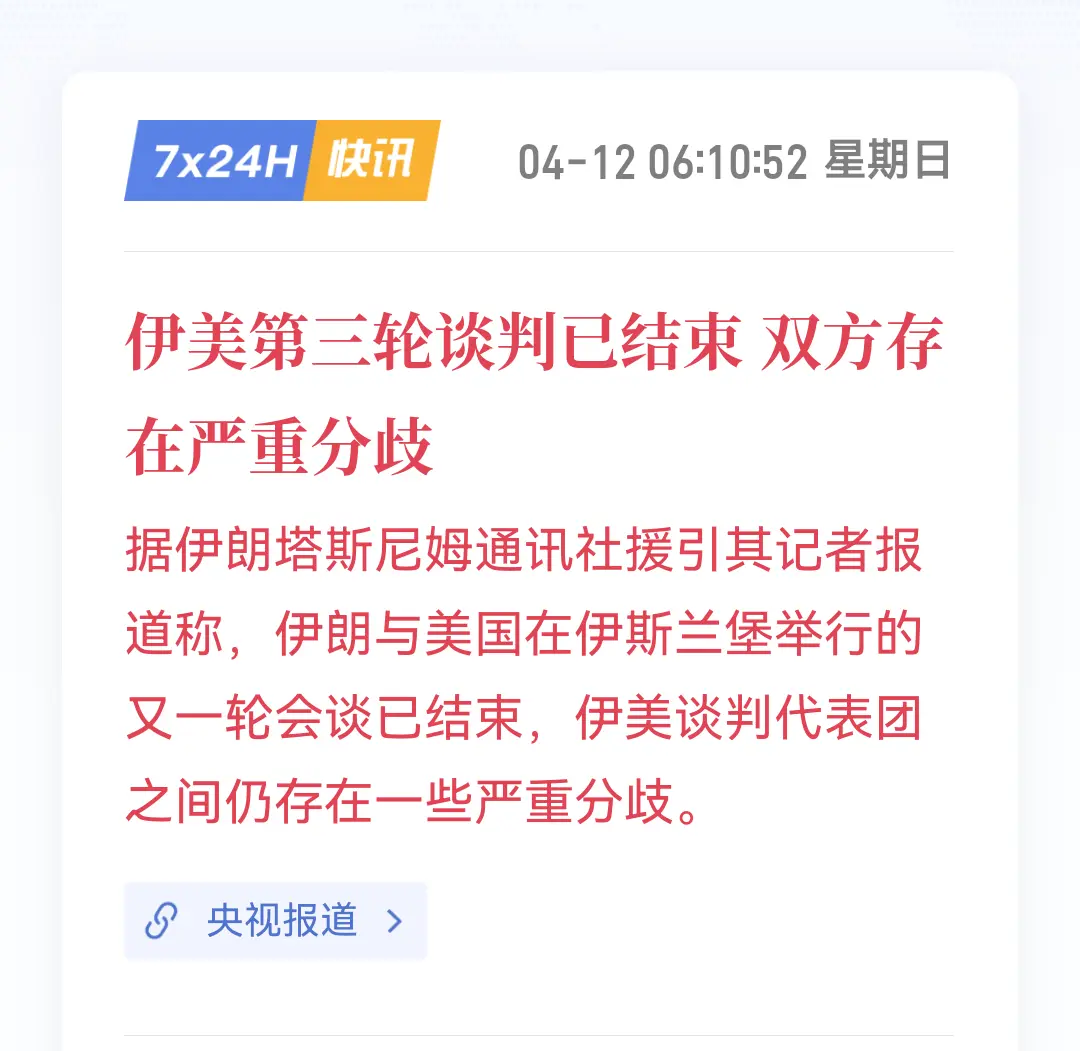
On Sunday, there were significant disagreements in the US-Iran negotiations, and the market suddenly plummeted.
Latest news indicates that the third round of US-Iran talks has concluded without reaching a consensus, and US Vice President Vance will return to the United States. The market responded with a sharp drop, with Bitcoin plunging from 73,700 USD to 71,200 USD, consolidating. I mentioned yesterday not to chase highs or sell lows; refer to the resistance zone at 73,500 and sell high. Friends who followed this advice are now well-fed.
Currently, the negotiations are not over; just that bo
BTC1,48%
ETH1%
View Original
post-image
post-image
post-image
萧万东
On Sunday, there were significant disagreements in the US-Iran negotiations, and the market suddenly plummeted.
Latest news indicates that the third round of US-Iran talks has concluded without reaching a consensus, and US Vice President Vance will return to the United States. The market responded with a sharp drop, with Bitcoin plunging from 73,700 USD to 71,200 USD, consolidating. I mentioned yesterday not to chase highs or sell lows; refer to the resistance zone at 73,500 and sell high. Those who followed the advice are now well-fed.
Currently, the negotiations are not over; just that both sides haven't achieved their desired results. There's a possibility that next week, a surprise agreement might be reached, which would be a big positive. So, at this point, do not directly chase short positions. Be bold and go long; catching a rebound is perfectly fine, with no need to look too far ahead.
Bitcoin: Refer to the 71,300-71,400 zone for long positions, target 72,800. Enter with a light position and reserve some for topping up.
Ethereum: Refer to the 2,205-2,225 zone for long positions, target 2,300. Enter with a light position and reserve some for topping up.
Wishing everyone a happy weekend and all the best. I am Xiao Wandong, with seven years in the crypto space, a professional analyst and reliable teacher, here to guide you all the way. Those who understand, understand. #Gate现货衍生品双双冲进全球前三
repost-content-media
  • Reward
  • Comment
  • Repost
  • Share
Hong Kong Stablecoin License “Falls into Place,” a De-dollarization Breakthrough Battle for Financial Pricing Power
April 10, 2026, marks a turning point in Hong Kong’s financial history.
Whether you’re a value investor in A-shares, a speculator in Hong Kong stocks, or a “watchman” in the crypto world, this afternoon’s mobile notifications have been dominated by the same headline: the Hong Kong Monetary Authority has officially issued its first batch of stablecoin issuance licenses to “Dingdian Finance,” a joint venture between HSBC and Standard Chartered.
Spurred by this news, Guotai Junan In
USDC0,02%
View Original
post-image
post-image
FeelFreeToFly666
Hong Kong Stablecoin License “Boots on the Ground,” a De-dollarization Breakthrough Battle Over Financial Pricing Power
On April 10, 2026, a turning point arrived in Hong Kong’s financial history.
Whether you’re a value investor in A-shares, a speculator in Hong Kong stocks, or a “watcher” in the crypto world, this afternoon’s mobile push notifications were dominated by the same headline: the Hong Kong Monetary Authority has officially issued the first batch of stablecoin issuer licenses to “Dingdian Finance,” the joint venture between HSBC and Standard Chartered.
Fueled by this news, Hong Kong stocks of Guotai Junan International surged by nearly 30% at one point intraday, while the A-share digital currency sector rose across the board.
As a deep observer who has witnessed several bull-and-bear cycles, seeing this news, my first reaction was: the era of the rough-and-ready days is over, but the bigger game has only just begun.
Many people view this move as simply “making crypto trading legal.” If you think that way, you may miss the biggest financial ace card swap of 2026. Below, I’ll break down the real mystery of this “financial defense battle” by combining exclusive data and macro logic.
01 Why HSBC and Standard Chartered? A Precise “National Team” Replacement
Before interpreting, we need to see a fact clearly: the Hong Kong Monetary Authority received 36 applications, but only 2 were ultimately approved.
This is absolutely not inclusive finance—it’s an elite selection where the best are chosen from among the best.
So who made the cut? On one side is HSBC, which has the authority to issue banknotes; on the other side is a “super alliance” made up of Standard Chartered Bank, Hong Kong Telecommunications, and Anyi Group.
Core insight: The essence of stablecoins is not “coins,” but the financial infrastructure of the digital era. The President of the HKMA, Eddie Yue, stated clearly that the licensing threshold is extremely high, mainly based on two factors: (1) risk management capabilities, and (2) specific application scenarios.
This means Hong Kong has completely abandoned the Web3 industry’s rough-and-ready logic of “issue coins and run.” Handing minting rights to traditional banks that have a century of risk-control experience and are subject to tier-3 regulation is essentially cranking the credit rating of digital finance straight to the maximum.
Previously, when using USDT, we always worried whether Tether’s reserves were sufficient, and whether a single U.S. regulatory order could freeze them. Now, Hong Kong has laid down a hard rule: “1:1 full reserves” and “independent third-party audits.”
This is not just a license—it’s a national-level main force rolling in with armored vehicles to take over the order.
02 Tear Open the Gap: A Long-Planned De-dollarization Breakthrough
If you only look at this as “making it easier for small retail users to trade crypto,” you’re underestimating the chessboard. Behind it is a financial breakout war aimed at the dominance of the U.S. dollar.
For a long time, the lifeblood of the crypto world (stablecoins) has been monopolized by USDT and USDC. As long as Asian capital enters, it first has to “bathe” in the dollar pool.
This time, Hong Kong is playing a card: the “Hong Kong dollar stablecoin.”
According to the plan published by the HKMA, both institutions will anchor to the Hong Kong dollar in the first phase. This is an extremely clever entry point:
1. Compliance channel: This is a value transfer channel that is regulated by the government and rooted in Asia. Sovereign funds in the Middle East, as well as RWA assets from the mainland, finally have a settlement tool that doesn’t have to look at Wall Street’s face.
2. Coordination with “Document No. 42”: Notably, just two months earlier (February 2026), eight mainland departments jointly issued a directive to strictly regulate cross-border activities involving RMB stablecoins and virtual currencies. By allowing compliant Hong Kong dollar stablecoins to be opened up at this time, Hong Kong is effectively implementing a finely crafted “dual-track system”—defend internally (prevent capital outflows and financial risks) and break out externally (seize offshore asset pricing power).
Data as support: In 2025, Asia accounted for 60% of global stablecoin payment volume. If Hong Kong doesn’t seize this foothold, this cake will be taken by Singapore or Switzerland.
03 Three Signals Ordinary People Must Be Wary Of
Every upgrade to financial infrastructure is a reallocation of wealth. In the face of this shuffle, my advice is only three points—hoping to help you avoid traps:
Signal One: Stop idolizing “shady exchanges.”
When large funds have legitimate, secure channels for deposits and withdrawals, those offshore small platforms that attract users with high interest and low fees will soon face the reverse effect of “bad money driving out good”—liquidity will dry up. Protecting your principal matters more than anything else.
Signal Two: Watch the “water sellers,” but don’t touch “air coins.”
After the licenses are in place, the real value flows will surge toward the upstream of the industrial chain. HSBC and Standard Chartered have obtained licenses, but they still need technology outsourcing, security audits, and cross-border payment solutions.
In the coming months, Hong Kong’s “financial infrastructure” sector and some RWA projects backed by state-owned enterprises may see earnings materialize. As for those “Hong Kong concept” scam coins and cottage-brand shanzhai tokens—blacklist them directly.
Signal Three: Be alert to pig-butchering scams disguised under the banner of “compliance.”
Remember the HKMA’s reminder: services have not been formally launched yet. Anyone who asks you to buy “internal quotas” right now is a scammer. The compliance list is based on the HKMA’s official record on its website.
04 Conclusion: From the “Wild West” to “Wall Street East”
With data showing that only 2 out of 36 applicants were approved, I think of one word: carefully selected.
HSBC plans to directly roll out stablecoin payment features through PayMe and the HSBC App in the second half of 2026. This means Hong Kong’s compliant stablecoins are not just high-flying investment products—they need to be integrated into everyday life as payment tools.
For practitioners, this is indeed a blow, because it eliminates the space for information asymmetry and regulatory arbitrage; but for the entire financial ecosystem, this is an epic-level upgrade.
When this aircraft carrier, HSBC, enters these waters, those rough-and-ready players who are still crossing with small boats really are at the point where they have to exit.
Do you think that after HSBC and Standard Chartered move in, ordinary people will find it easier to buy compliant digital assets, or will the barriers become higher? Feel free to leave your thoughts in the comments.
#Gate广场四月发帖挑战
  • Reward
  • Comment
  • Repost
  • Share
The current situation is that the short squeeze trend remains unchanged, and upward breakthrough needs to be maintained. It is necessary to stay above 73,000, then intervene at 72,800; otherwise, it may be suppressed at this level, and a decline could potentially reach 67,000-67,500.
BTC1,48%
View Original
On-ChainNoTeeth
The current situation is that the short squeeze trend remains unchanged, and upward breakthrough needs to be maintained. It is necessary to stay above 73,000, then intervene at 72,800; otherwise, it may be suppressed at this level, and a decline could potentially reach 67,000-67,500.
repost-content-media
  • Reward
  • Comment
  • Repost
  • Share
🚀 The 9th phase of Coin Earning Together is now live with an upgraded prize pool
Invite friends, open red envelopes, earn cash rewards, with no cap for individual cash prizes
👉 Invite friends to share a $500,000 prize pool, join now: http://gate.com/referral/earn-together?gt_nav_bar=0
Simple participation, easy rewards
✅ When friends complete designated tasks during registration, both you and your friends can receive red envelopes
✅ The maximum single red envelope can be 50 USDT in cash
✅ Event duration: 4/11 12:00 - 4/24 12:00 (UTC+8)
The more friends you invite, the more you
View Original
post-image
post-image
Gate广场_Official
🚀 The 9th phase of Coin Earning Together is now live with an upgraded prize pool
Invite friends, open red envelopes, and get cash—no limit on individual cash rewards
👉 Invite friends to share a $500,000 grand prize pool. Join now: http://gate.com/referral/earn-together?gt_nav_bar=0
Simple participation, easy rewards
✅ After your friends complete the specified tasks upon registration, both you and your friends can receive red envelopes
✅ Up to 50 USDT in cash red envelopes can be opened per round
✅ Event period: 4/11 12:00 - 4/24 12:00 (UTC+8)
The more friends you invite, the more you’ll earn. Earn coins easily with your friends!
Announcement details: https://www.gate.com/announcements/article/50652
repost-content-media
  • Reward
  • Comment
  • Repost
  • Share
🚀 The 9th phase of Coin Earning Together is now live with an upgraded prize pool.
Invite friends, open red envelopes, earn cash rewards—no cap on individual cash rewards.
👉 Invite friends to share a $500,000 prize pool. Join now: http://gate.com/referral/earn-together?gt_nav_bar=0
Simple participation, easy rewards
✅ When friends complete designated tasks during registration, both you and your friends can receive red envelopes
✅ Each time, you can open a cash red envelope of up to 50 USDT
✅ Event duration: 4/11 12:00 - 4/24 12:00 (UTC+8)
The more friends you invite, the more you earn—easily
View Original
Gate广场_Official
🚀 The 9th phase of Coin Earning Together is now live with an upgraded prize pool
Invite friends, open red envelopes, and get cash—no limit on individual cash rewards
👉 Invite friends to share a $500,000 grand prize pool. Join now: http://gate.com/referral/earn-together?gt_nav_bar=0
Simple participation, easy rewards
✅ After your friends complete the specified tasks upon registration, both you and your friends can receive red envelopes
✅ Up to 50 USDT in cash red envelopes can be opened per round
✅ Event period: 4/11 12:00 - 4/24 12:00 (UTC+8)
The more friends you invite, the more you’ll earn. Earn coins easily with your friends!
Announcement details: https://www.gate.com/announcements/article/50652
repost-content-media
  • Reward
  • Comment
  • Repost
  • Share
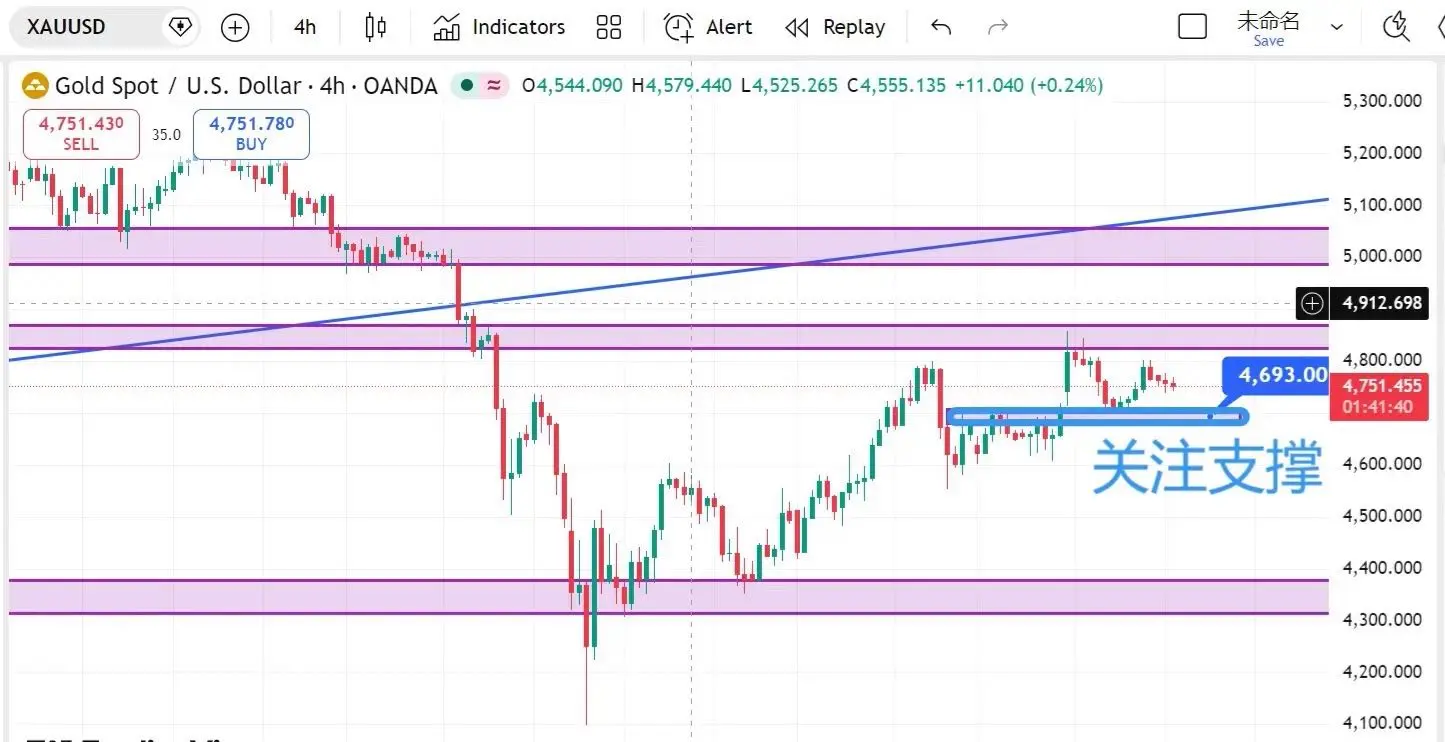
Gold $XAU What's the outlook for the upcoming trend???
I have been predicting for a week that international gold would rebound to around 4900, and I reminded everyone that the 4800-5000 USD range is a short-term profit-taking zone.
So, has the short-term gold rebound ended? Whether it has ended depends on whether the 4650-4700 range is effectively broken on the four-hour chart. As shown in Figure 1:
Blue support zone 4650-4700, if the four-hour level is effectively broken (note: a quick break and recovery does not count!), then the rebound is over, and gold will test lower supports around 430
View Original
K-LineLifeBrotherFeige
Gold $XAU What is the outlook for the upcoming trend???
I have been predicting for a week that international gold will rebound to around 4900, and I’ve reminded everyone that the 4800-5000 USD range is a short-term profit-taking zone.
So, has the short-term gold rebound ended? Whether it has ended depends on whether the 4650-4700 range is effectively broken on the four-hour chart. As shown in Figure 1:
Blue support zone 4650-4700, if the four-hour level is effectively broken (note: a quick break and recovery does not count!), then the rebound is over, and gold will test lower supports around 4300 USD or even near 4000 USD.
As shown in Figure 2, this is Path A after the breakdown.
If, on the four-hour chart, gold has not effectively broken below the 4650-4700 support zone, then the rebound is not over and it will continue to test 4900 USD or 5000 USD higher.
Note that this is always a profit-taking zone because the March monthly candle closed with a large bearish candle, and April does not have the conditions for a big rally, so profit-taking should occur at resistance zones.
Most likely, gold will still test the lower support around 4300 USD, or even near 4000 USD. Be cautious of risks in the short term and avoid chasing highs!
If the support is not effectively broken, then Path B is shown in Figure 3.
Yes, in summary, whether gold reaches 4900-5000 or not, in about three weeks it should test around 4300 or near 4000.
Be patient; April will start a consolidation phase. We should go long lightly at key support levels and reduce positions at resistance levels.
Figure 4 shows the key support and resistance levels for gold on the daily chart.
repost-content-media
  • Reward
  • Comment
  • Repost
  • Share
This week's market trend is very clear, and our team's overall profit is quite substantial, with every step taken very steadily. Whether it's riding the trend for swing trading or short-term high selling and low buying, we've achieved good results. Having seen countless market fluctuations and dealt with all kinds of trapped orders—deeply trapped, locked positions, one-sided holding... I've helped students resolve these most frustrating market situations one by one. Over the years, when it comes to unwinding positions, I rely not on luck but on solid market judgment and risk management skills.
View Original
post-image
post-image
OldCatInTheCryptoCi
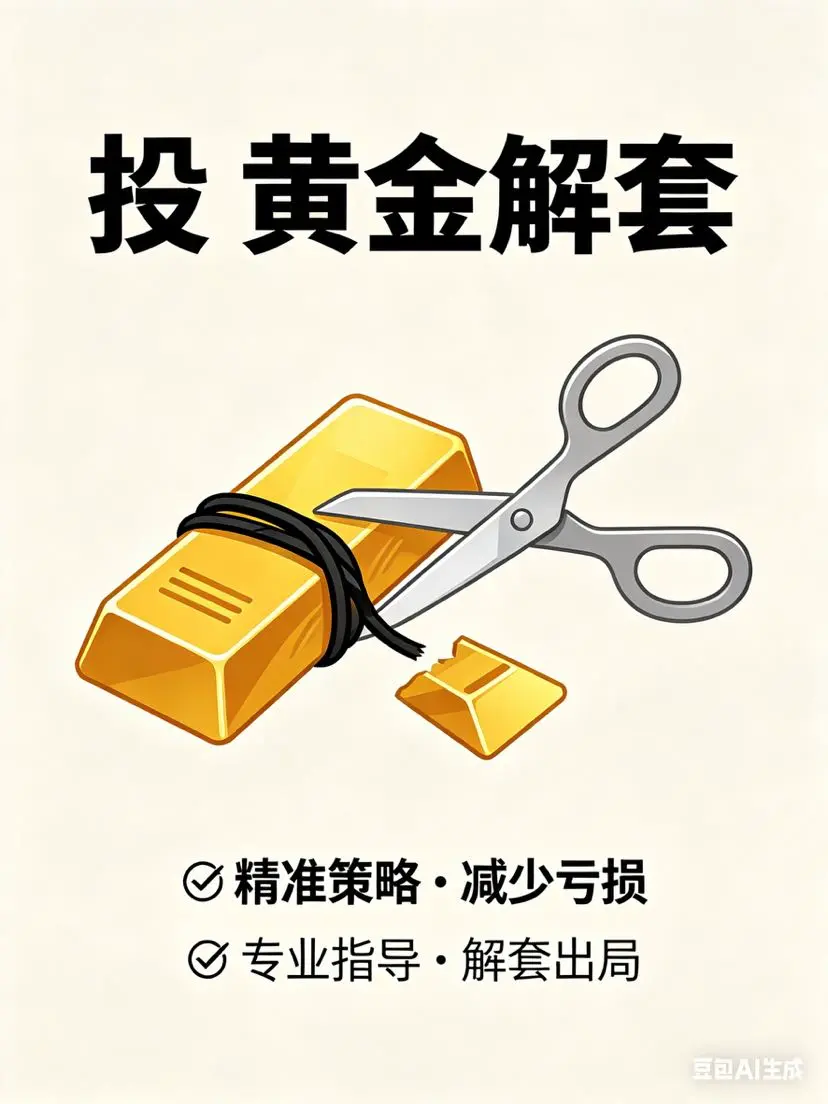
Gold trapped, just come to me
Hello everyone, I am Old Cat from Juejin, and I have been navigating the gold market for nearly nine years.
This week's market trend is very clear, and our team's overall profit is quite substantial, with every step taken very steadily. Whether it's riding the trend for swing trading or short-term high selling and low buying, we've achieved good results. Having seen countless market changes and dealt with all kinds of trapped orders—deeply trapped, locked positions, one-sided holding—I have helped students resolve these most frustrating market situations one by one. Over the years, when it comes to unwinding positions, I rely not on luck but on solid market judgment and risk control skills. My track record is publicly verifiable across the entire internet, and I also provide real-time current price updates daily. These things can't be faked; my strength is on display. If your order is still trapped now, don't stubbornly hold on by yourself. Feel free to reach out to me anytime, and I will help you turn the situation around.
repost-content-media
  • Reward
  • Comment
  • Repost
  • Share
The Strait of Hormuz Turns into a "Bitcoin Toll Booth": Iran Receives 282 @BTC@ Daily, Capturing Nearly 60% of New Supply!
This is not a drill; it’s a hard-core collision between geopolitics and cryptocurrency.
While the world is still debating whether Bitcoin is "digital gold," Iran has turned it into a "petroleum toll." Daily, 282 Bitcoins, accounting for nearly 60% of the newly mined Bitcoins worldwide.
What does this mean?
A sanctioned country is using military deterrence as backing, turning the global energy artery into its own "Bitcoin ATM."
This is not speculation; it’s the re
BTC1,48%
View Original
post-image
post-image
  • Reward
  • Comment
  • Repost
  • Share
🚨 The Bank of Japan's balance sheet has shrunk to its lowest level since 2020.
In Q1 2026, total assets decreased by $98 billion, to $4.14 trillion, a reduction of $590 billion (12.6%) from the peak.
Japanese government bond holdings declined by $84 billion in a single quarter, the largest drop since QT began, returning to Q3 2020 levels.
Since January, they have started selling ETFs and J-REITs, marking a major policy shift.
The Bank of Japan is no longer blindly absorbing assets; the 10-year Japanese government bond yield has risen to a 27-year high. Normalization is accelerating.
View Original
EncryptionMaster01
🚨 The Bank of Japan's balance sheet has shrunk to its lowest level since 2020.
In Q1 2026, total assets decreased by $98 billion, to $4.14 trillion, down $590 billion from the peak (-12.6%).
Japanese government bond holdings declined by $84 billion in a single quarter, the largest drop since QT, returning to Q3 2020 levels.
Since January, they have started selling ETFs and J-REITs, marking a major policy shift.
The Bank of Japan is no longer blindly absorbing assets; the 10-year Japanese government bond yield has risen to a 27-year high. Normalization is accelerating.
#日本央行 # QT #JapaneseBonds
  • Reward
  • Comment
  • Repost
  • Share
#GateSpotDerivativesBothTop3 Ceasefire takes effect, will the market rebound?
Ceasefire takes effect, will the market rebound?
Ceasefire
View Original
post-image
post-image
diioonniiss
#GateSpotDerivativesBothTop3 Ceasefire in effect, will the market rebound? Ceasefire in effect, will the market rebound? Ceasefire in effect, will the market rebound? Ceasefire in effect, will the market rebound? Ceasefire in effect, will the market rebound? Ceasefire in effect, will the market rebound? Ceasefire in effect, will the market rebound?Ceasefire in effect, will the market rebound? Ceasefire in effect, will the market rebound? Ceasefire in effect, will the market rebound? Ceasefire in effect, will the market rebound? Ceasefire in effect, will the market rebound? Ceasefire in effect, will the market rebound? Ceasefire in effect, will the market rebound?
repost-content-media
  • Reward
  • Comment
  • Repost
  • Share
  • Pin