DingkunInvestment

vip
Age 2.8 Yıl
Peak Tier 2
No content yet
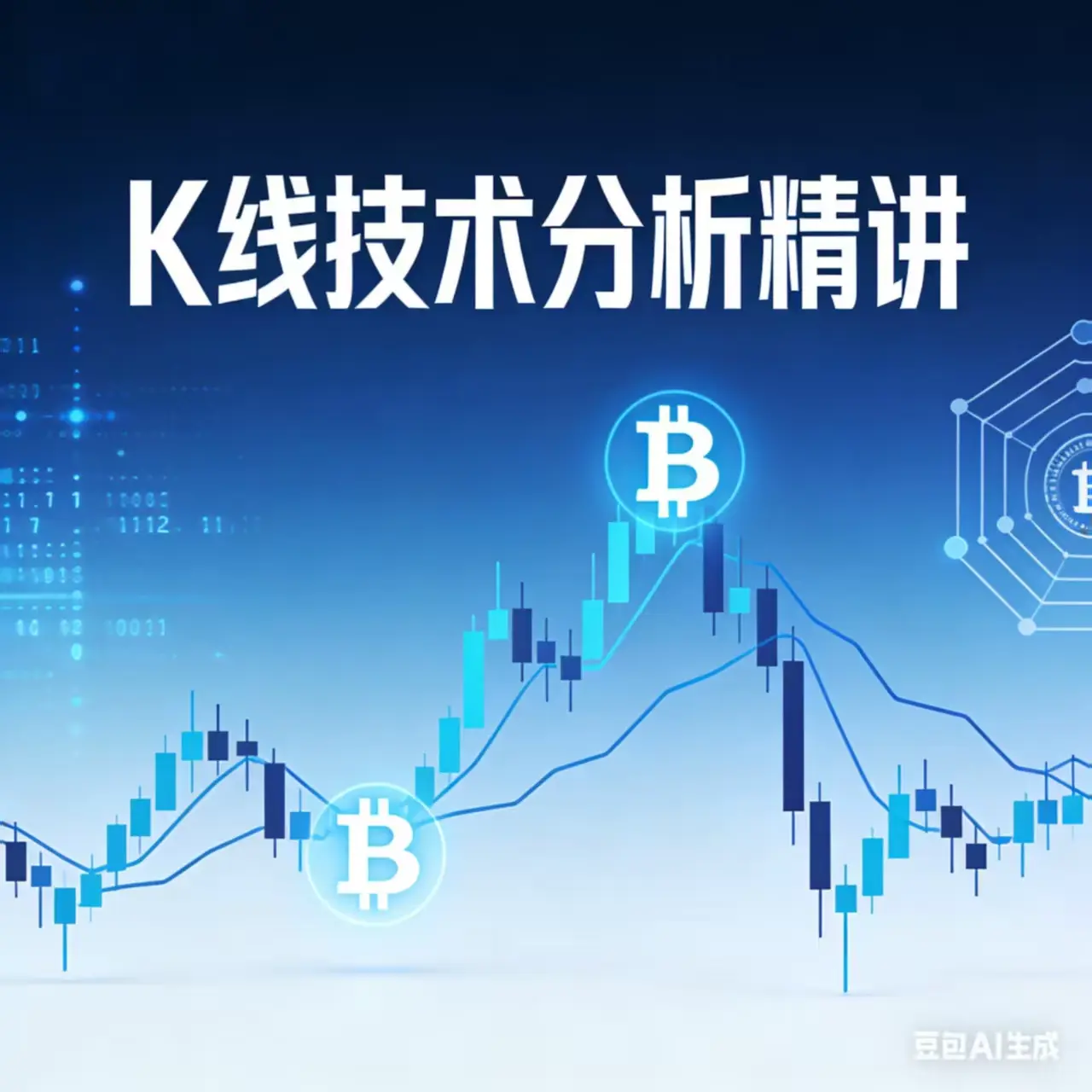
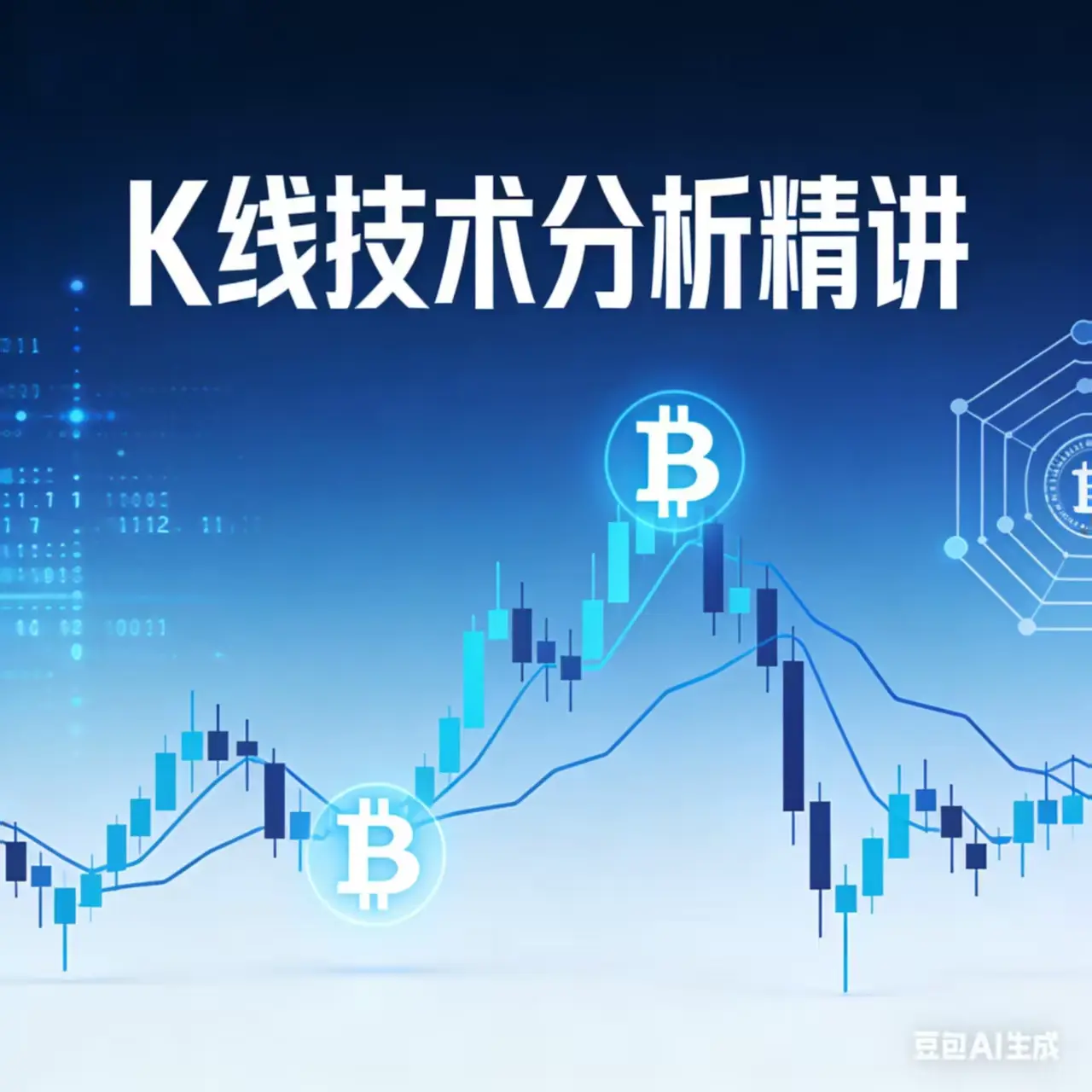
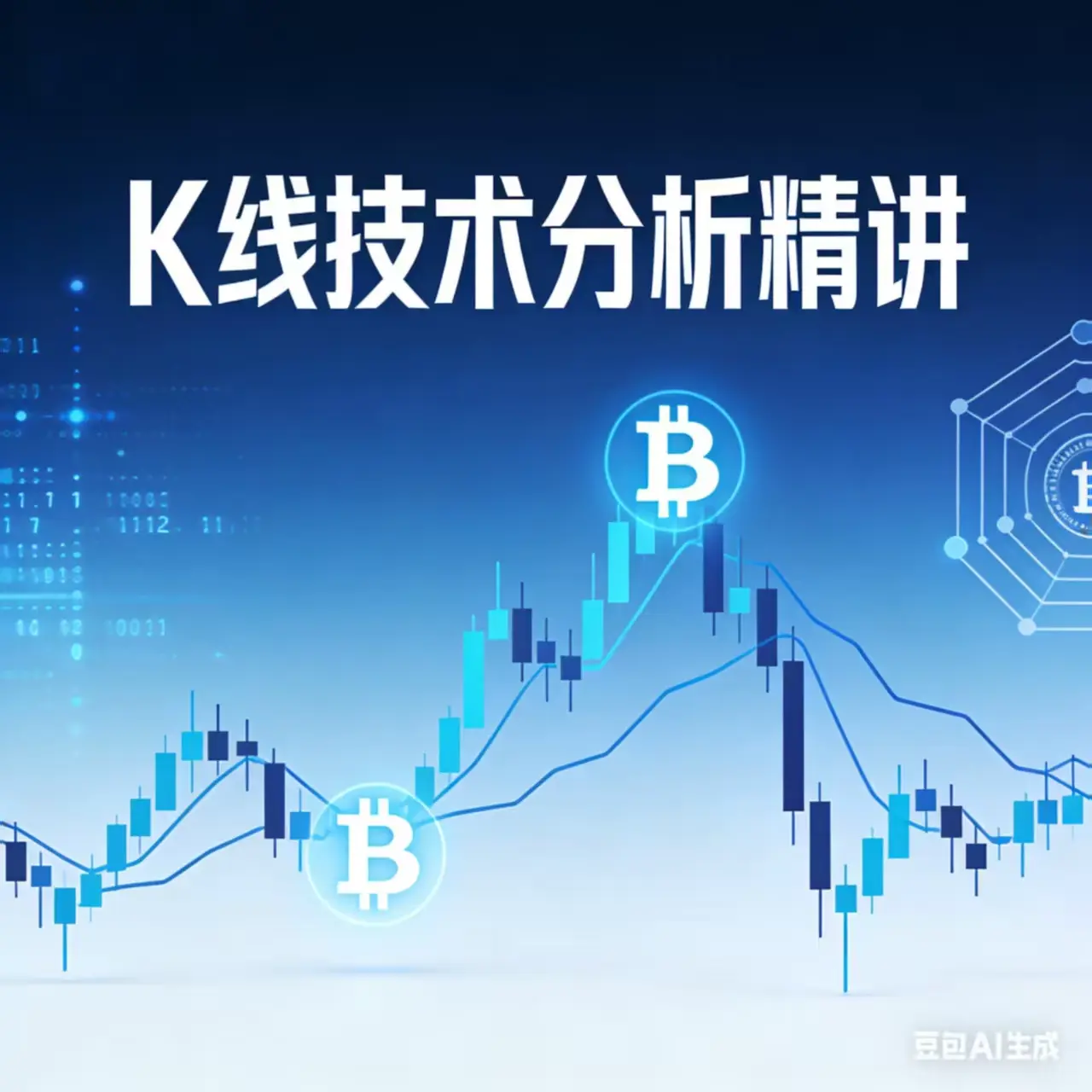
K-line Technical Analysis Series (Concise Version)
📈 Trend Lines: Drawing maps on K-lines to identify directions and judge support and resistance.
🚧 Support and Resistance: Invisible barriers in price, how key levels influence trends, signals of breakouts and reversals.
🎯 Trend Types and Stages: Distinguishing major, minor, and short-term trends, understanding initiation, continuation, and exhaustion.
⚠ Head and Shoulders Top and Bottom: Trend reversal warning signals, recognizing the significance of head, shoulders, and neckline.
🔁 Double Top and Bottoms and Triple Top and Bottoms: Classi
BTC1%
ETH1,82%
View Original
post-image
  • Reward
  • Comment
  • Repost
  • Share
Mandatory Course on Investment Psychology: Key Points Checklist
1. Market Sentiment Cycle: From FOMO to Panic
Core Manifestation: Anxiety-driven chasing during upswings (FOMO), panic selling during downturns, falling into a "buy high, sell low" cycle
Fundamental Cause: Linear thinking—mistaking short-term trends for long-term ones
Key to Breaking the Cycle: Understand market cycles and practice Buffett's principle "Be greedy when others are fearful, be fearful when others are greedy"
2. **Loss Aversion**
* "As long as you don't sell, it's not a real loss" leads to holding onto losses stubbo
View Original
post-image
  • Reward
  • 1
  • Repost
  • Share
DingkunInvestmentvip:
Welcome to follow the streamer. If you want to learn or understand anything, you can leave a message.
  • Reward
  • Comment
  • Repost
  • Share
K-line Technical Analysis Series (Concise Version)
📈 Trend Lines: Drawing maps on K-lines to identify directions and judge support and resistance.
🚧 Support and Resistance: Invisible barriers in price, how key levels influence trends, signals of breakouts and reversals.
🎯 Trend Types and Stages: Distinguishing major, minor, and short-term trends, understanding initiation, continuation, and exhaustion.
⚠ Head and Shoulders Top and Bottom: Trend reversal warning signals, recognizing the significance of head, shoulders, and neckline.
🔁 Double Top and Bottoms and Triple Top and Bottoms: Classi
BTC1%
ETH1,82%
View Original
post-image
  • Reward
  • 1
  • Repost
  • Share
DingkunInvestmentvip:
Welcome to follow the streamer. If you want to learn or understand anything, you can leave a message.
Candlestick Technical Analysis Series:
Trend Lines: Mapping the K Line
Core: Identifying market direction through trend lines, judging support and resistance.
Support and Resistance: Invisible barriers of price
Core: Understanding how key price levels influence price movements, and signals of breakouts and reversals.
Trend Types and Stage Analysis
Core: Differentiating major trends, secondary trends, and short-term trends, as well as the initiation, continuation, and exhaustion stages of trends.
Head and Shoulders Top and Bottom Patterns: Early Warning Signs of Trend Reversal
Core: Mastering t
BTC1%
ETH1,82%
View Original
post-image
  • Reward
  • Comment
  • Repost
  • Share
K-line Technical Analysis Series:
Trend Lines: Mapping the Candlesticks
Core: Identifying market direction through trend lines, judging support and resistance.
Support and Resistance: Invisible barriers of price
Core: Understanding how key price levels influence price movements, and signals of breakouts and reversals.
Trend Types and Stage Analysis
Core: Differentiating primary, secondary, and short-term trends, as well as the initiation, continuation, and exhaustion stages of trends.
Head and Shoulders Top and Bottom Patterns: Early Warning Signs of Trend Reversal
Core: Mastering the most cla
View Original
  • Reward
  • Comment
  • Repost
  • Share
K-line Technical Analysis Series:
Trend Lines: Mapping the K-line
Core: Identify market direction through trend lines, and judge support and resistance.
Support and Resistance: Invisible barriers of price
Core: Understand how key price levels influence price movements, and recognize signals of breakouts and reversals.
Trend Types and Stage Analysis
Core: Distinguish between primary, secondary, and short-term trends, as well as the initiation, continuation, and exhaustion stages of trends.
Head and Shoulders Top and Bottom Patterns: Early Warning Signs of Trend Reversal
Core: Master the most cl
View Original
post-image
  • Reward
  • Comment
  • Repost
  • Share
EP 03 Trend Lines Drawing Maps on Candlesticks
#RisingCreators #ContentMining #交易高手
View Original
  • Reward
  • Comment
  • Repost
  • Share
Candlestick Technical Analysis — 02 Dow Theory and Cryptocurrency Cycles
#RisingCreators #Contentmining #币圈
View Original
Do you understand Dow Theory and the cycle in the crypto world?
Understood
1
1
Don't understand
0
0
Want to learn more
0
0
Don't want to understand
0
0
1 ParticipantsVoting Finished
  • Reward
  • Comment
  • Repost
  • Share
Candlestick Technical Analysis ---- 01 Introduction to Technical Analysis Three Major Assumptions and the Essence of Candlesticks
#RisingCreators #ContentMining #K线分析
View Original
Do you really need to understand some candlestick charting techniques for trading?
Need
4
4
No need.
2
2
6 ParticipantsVoting Finished
  • Reward
  • Comment
  • Repost
  • Share
Book excerpt: The risk awareness of "Black Swan"
"We are accustomed to using precise predictions to deal with uncertainty, but this is often more dangerous than admitting ignorance." — Nassim Taleb
In the crypto market, black swan events occur frequently: regulatory shocks, technical vulnerabilities, market manipulation.
Strategies:
1) Acknowledge the limitations of predictions
2) Build anti-fragile investment portfolios
3) Keep enough cash on hand to handle extreme situations.
Don't try to predict every fluctuation; instead, be prepared to handle any volatility.
#RisingCreators #ContentMinin
View Original
post-image
  • Reward
  • 1
  • Repost
  • Share
LiderVitriavip:
It will be interesting this year
Book excerpt: Golden Quotes on Investment Philosophy from "Principles"**
"Pain + Reflection = Progress." — Ray Dalio
In investing, the pain from losses is a valuable opportunity for growth. The key is how to reflect: 1) Objectively analyze the causes of mistakes 2) Establish improvement mechanisms 3) Avoid repeating errors. Successful investors are not those who never make mistakes, but those who can quickly learn and adjust after errors.
Treat each loss as tuition, ensuring what you learn is worth the cost. Develop personal investment principles and continuously refine them.
#RisingCreators #
View Original
post-image
  • Reward
  • Comment
  • Repost
  • Share
"Mandatory Course on Investment Psychology" Episode 10 Gate Square Live Broadcast
Live theme: Mandatory Course on Investment Psychology—Avoiding Psychological Traps in Trading
This live broadcast room will air the "Mandatory Course on Investment Psychology" series podcasts around the clock. The content is based on 10 classic works including "Reminiscences of a Stock Operator," "The Black Swan," "Thinking, Fast and Slow," and others. It provides in-depth analysis of psychological traps in trading: FOMO, loss aversion, anchoring effect, overconfidence, and more. Real cases from masters like Live
View Original
post-image
post-image
  • Reward
  • Comment
  • Repost
  • Share
Trading Psychology: Growth Path Through Learning from Mistakes
Every trader makes mistakes; the key is how to learn from them. It is recommended to establish a "Trading Error Log": record the reasons for each loss, emotional state, and market environment. Common mistake types:
1) Not setting stop-loss
2) Over-leverage
3) Emotional trading
4) Chasing hot trends.
$BTC $ETH $SOL
Regularly review these mistakes to identify patterns. Is it a technical analysis error? Emotional control failure? Or insufficient risk management? True growth comes from deep reflection on mistakes, not just occasion
BTC1%
ETH1,82%
SOL0,88%
View Original
post-image
  • Reward
  • 1
  • Repost
  • Share
DingkunInvestmentvip:
Sharing Trading Psychology
Book Quote: "Reminiscences of a Stock Operator" Investment Wisdom
"Wall Street has no new tricks because speculation is as old as the hills. What happens in the stock market today has happened before, and it will happen again." — Jesse Livermore
This classic quote reveals the essence of market behavior: behind price fluctuations lies the eternal human nature. Fear, greed, hope, despair—these emotions drive market cycles back and forth. Understanding this allows you to stay calm during market euphoria and see opportunities during market panic. History doesn't simply repeat itself, but it often
View Original
post-image
  • Reward
  • 1
  • Repost
  • Share
DingkunInvestmentvip:
Follow me, and I share trading tips every day
"Mandatory Course on Investment Psychology" Episode 10 Gate Square Live Broadcast
Live theme: Mandatory Course on Investment Psychology—Avoiding Psychological Traps in Trading
This live broadcast features the "Mandatory Course on Investment Psychology" series podcasts played around the clock, based on 10 classic works including "Reminiscences of a Stock Operator," "The Black Swan," "Thinking, Fast and Slow," and others. It provides in-depth analysis of psychological traps in trading: FOMO, loss aversion, anchoring effect, overconfidence, and more. Real case studies from masters like Livermore
View Original
post-image
  • Reward
  • Comment
  • Repost
  • Share
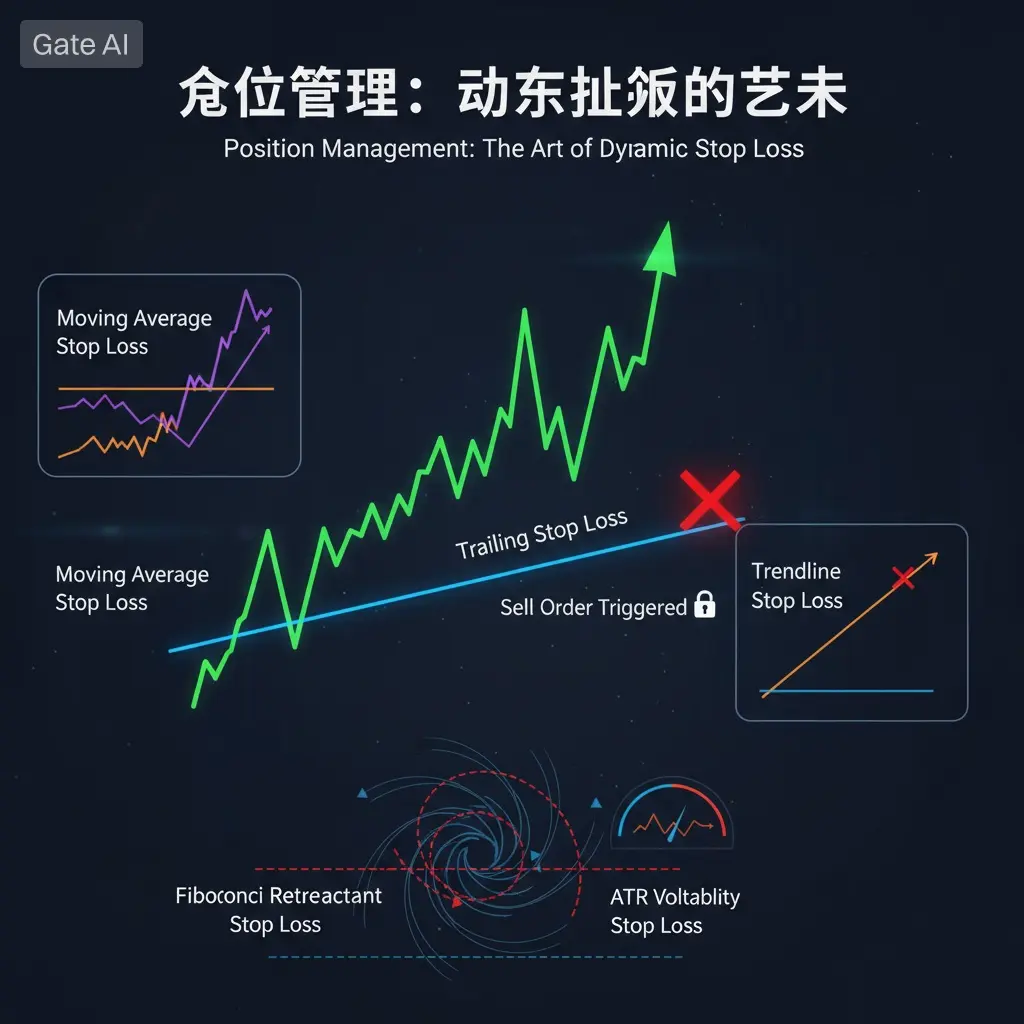
Position Management: The Art of Dynamic Stop-Loss
Stop-loss is not a fixed number but a dynamic risk management tool.
Three methods of dynamic stop-loss:
1) Moving Average Stop-Loss: Exit when the price falls below a key moving average
2) Volatility Stop-Loss: Adjust stop-loss distance based on ATR (Average True Range)
3) Profit Protection Stop-Loss: Move the stop-loss upward after floating profits reach a certain percentage to protect gains.
Key Principles:
Stop-loss should be set at the "point of logical failure," not at arbitrary levels. Avoid placing stop-losses at obvious technical levels
View Original
post-image
  • Reward
  • 1
  • Repost
  • Share
DingkunInvestmentvip:
Follow me, share more trading insights
Trading Psychology: The Art of Patience
"Money is made sitting, not trading." — Jesse Livermore
In the crypto market, patience is the most scarce quality. Most investors lose not because of a lack of opportunities, but because of overtrading. Professional traders spend 80% of their time waiting and 20% executing trades. Build an "Opportunity Filter": only participate in trades that meet strict criteria.
The value of waiting:
1) Avoid emotional decisions
2) Improve win rate
3) Reduce trading costs
Remember: Missing an opportunity won't bankrupt you, but wrong trades will.
View Original
post-image
  • Reward
  • 1
  • Repost
  • Share
DingkunInvestmentvip:
Follow me to share more trading psychology insights
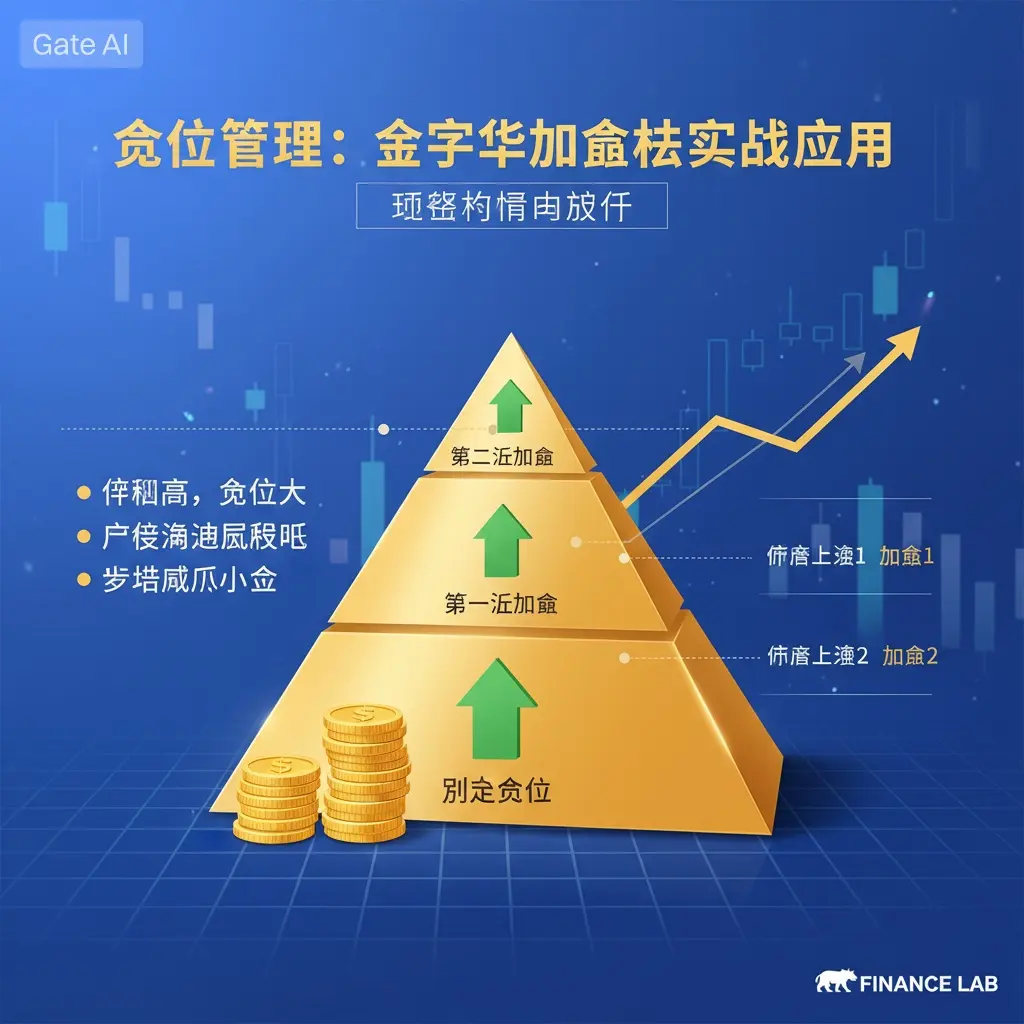
Position Management: Practical Application of the Pyramid Averaging Method
Pyramid averaging is a commonly used position management strategy among professional investors. Its core principle is "add to your position at the right time, reduce when wrong."
Specific operations:
Initially build a 30% position, add 20% after a 5% price increase, then add 10% after another 5% rise, allowing profits to run.
Advantages of this method: 1) Lower average cost 2) Amplify gains from correct judgments 3) Control overall risk.
Key points: Only add to your position after confirming the trend, avoiding frequent
View Original
post-image
  • Reward
  • 1
  • Repost
  • Share
DingkunInvestmentvip:
Follow me, share more trading insights
  • Pin