# IranProposesHormuzStraitReopeningTerms

280.58K
#美伊谈判陷入僵局
US-IRAN DEADLOCK MY FULL MARKET ANALYSIS BEFORE THE APRIL 26 DEADLINE
WHERE WE ACTUALLY STAND TODAY
Let me give you the unfiltered picture as of April 25, 2026. The ceasefire that Pakistan brokered on April 8 is functionally dead. Not officially but functionally. Here is the evidence. The Islamabad talks on April 11 and 12 lasted 21 hours and ended with both delegations leaving without any agreement. The two core issues remain completely unresolved Iran's nuclear program and the status of the Strait of Hormuz. Iran's Foreign Ministry spokesperson confirmed there is "no plan for a se
Falcon_Official
#美伊谈判陷入僵局
US-IRAN DEADLOCK MY FULL MARKET ANALYSIS BEFORE THE APRIL 26 DEADLINE
WHERE WE ACTUALLY STAND TODAY
Let me give you the unfiltered picture as of April 25, 2026. The ceasefire that Pakistan brokered on April 8 is functionally dead. Not officially but functionally. Here is the evidence. The Islamabad talks on April 11 and 12 lasted 21 hours and ended with both delegations leaving without any agreement. The two core issues remain completely unresolved Iran's nuclear program and the status of the Strait of Hormuz. Iran's Foreign Ministry spokesperson confirmed there is "no plan for a second round of negotiations with the US for now." Trump canceled Witkoff and Kushner's planned Pakistan trip on April 25, saying Iran "offered a lot, but not enough." The ceasefire technically expires on April 26 the same day as this discussion deadline. We are, right now, at the most dangerous 24-hour window of this entire conflict.
The dual blockade situation tells you everything you need to know. The US Navy is blockading Iranian ports while Iran restricts commercial shipping through the Strait of Hormuz. On April 17, Iran declared the Strait open oil prices crashed 11% in hours. By April 18, Iran reimposed restrictions after Trump refused to end the US naval blockade. On April 21, the US Navy seized an Iranian container ship in the Gulf of Oman. Vessels attempting transit are being fired upon. Iran has reportedly even lost track of some of the mines it planted in the strait, meaning it physically cannot fully reopen it even if it wanted to. This is not a ceasefire. This is a frozen war with both sides applying maximum economic pressure simultaneously.
QUESTION ONE — WILL THE CEASEFIRE BREAK DOWN AND WILL THE STRAIT STAY BLOCKED
My direct answer: the formal ceasefire framework will collapse within 72 hours. Here is my reasoning.
Trump's core demand is Iran's unconditional nuclear disarmament. He stated on March 6 there will be "no deal except unconditional surrender." Iran's counter-proposal demands war reparations, security guarantees, international recognition of Iranian sovereignty over the Strait, and only a five-year pause on uranium enrichment versus Washington's demand for a 20-year pause. These positions are not negotiating postures that are close to each other. They are fundamentally incompatible frameworks. Abbas Araghchi said Iran was "inches away from an MOU" in Islamabad and accused the US of moving the goalposts but Trump's cancellation of the envoy trip on April 25 signals Washington is not interested in further concessions at this stage.
The Strait of Hormuz will remain effectively blocked regardless of what any diplomatic statement says. Even if Iran formally declares it open again — as it did on April 17 commercial traffic will not return without confidence in physical safety. Chevron's CEO stated publicly that ships would only transit when "our people and cargo can be transited with a high degree of confidence." That confidence does not exist right now. The strait has been carrying mines, IRGC naval vessels are boarding ships, and vessels under armed escort were still fired upon during the brief April 17 reopening window. Experts warn that even if a deal is reached today, it could take months to restore supply chains to pre-war levels. The cumulative effect has already breached half a billion barrels of lost supply 13 million barrels per day of crude, condensates, and natural gas liquids shut in for nearly two months.
My ceasefire breakdown probability: 70% within the next 72 hours. My Strait full reopening probability before May 2026: less than 25%.
QUESTION TWO — HOW WILL OIL AND GLOBAL MARKETS EVOLVE IF CONFLICT ESCALATES
This is where the analysis gets critically important for every trader on Gate Square. Let me break it down by scenario with market implications for each.
Scenario One Full Ceasefire Collapse and Resumed US Strikes (65% probability)
If Trump resumes military operations against Iran which he has explicitly threatened, including destroying Iranian power plants, bridges, and energy infrastructure the market reaction will be immediate and severe across every asset class simultaneously.
Oil will spike toward $130 to $150 per barrel from current elevated levels. The Strait of Hormuz carries 20 million barrels of oil per day and 20% of global LNG. Asian markets are most exposed 84% of crude through the strait goes to Asia, with China receiving one third of its total oil supply via this route. A full blockade continuation means China, Japan, South Korea, and India face energy emergency conditions within weeks. Saudi Arabia and UAE have alternative pipeline routes but cannot compensate for the full volume of Hormuz throughput.
Global equity markets will enter crisis mode. The S&P 500, already under pressure from tariff uncertainty and Fed chair confirmation volatility, would face a 7 to 12% drawdown in the immediate escalation window. European markets would follow given their 12 to 14% LNG dependency on Qatari supply through the strait Qatar's Ras Laffan facility is already operating at reduced capacity after strike damage.
Crypto markets will experience a two-phase response. Phase one: immediate risk-off selling as fear dominates. Bitcoin could retest $70,000 to $72,000. Altcoins would drop 15 to 25% across the board. Phase two within 5 to 10 days of sustained escalation: Bitcoin and gold begin decoupling from traditional risk assets as inflation expectations surge. If oil at $140+ becomes the base case for months, stagflation fears dominate the macro narrative and Bitcoin's value proposition as a non-sovereign, inflation-resistant asset gains urgent relevance. History shows this pattern clearly initial shock selling in crypto followed by structural accumulation as the inflation thesis gains credibility. The April 8 ceasefire announcement moved Bitcoin from $63,000 to $72,000 in hours. A breakdown will reverse that move first then create the next accumulation window.
Scenario Two Partial Agreement Extends Ceasefire 15 to 20 Days (25% probability)
If Pakistan extracts a partial commitment from Iran not full nuclear disarmament, but a verified freeze on enrichment plus Hormuz reopening Trump accepts a 15 to 20 day extension to allow Phase 2 negotiations. Oil drops $15 to $20 immediately on the news. Bitcoin reacts with a short squeeze from $75,000 toward $80,000 to $82,000. The Fear and Greed Index, currently at 32 (Fear), jumps toward 55 to 60 in a single session. This is the bull scenario for crypto in the short term. However, analysts note that even this scenario does not fully resolve the supply disruption. Half a billion barrels of cumulative loss cannot be recovered overnight. Oil above $90 remains the base case even with a full Strait reopening, which means inflation pressure continues.
Scenario Three Broader Regional Escalation (10% probability)
If Iran activates Hezbollah in Lebanon beyond current levels, or if IRGC-linked groups strike Saudi Aramco facilities which remain the single most critical oil infrastructure target in the world the market consequences become catastrophic. Oil above $160 to $180. Global shipping insurance rates rendering most commercial routes economically unviable. Emergency central bank intervention in multiple countries. The IMF has already warned that global growth will take a measurable hit even if the ceasefire holds. A full regional war spreading to Gulf state infrastructure represents a tail risk that markets are not fully pricing. In this scenario, stablecoins and gold are the only near-term safe positions. Bitcoin and crypto would face a sharp 30 to 40% correction before recovering as the monetary debasement narrative dominates in the medium term.
MY TRADING POSITION AND FINAL ANALYSIS
I am currently positioned with reduced risk-on exposure and elevated stablecoin reserves specifically because the next 24 to 48 hours represent the highest geopolitical uncertainty window of 2026. The ceasefire deadline is April 26. Trump canceled the envoy trip on April 25. Iran says there is no plan for further talks. These are not signals of imminent resolution. They are signals of a breakdown in progress.
The IMF confirmed that global growth is already taking a hit and we are "not going back to the Goldilocks scenario" of stable growth and low inflation. Energy experts confirm that 13 million barrels per day of production remains shut-in and that "we are losing it every single day this goes on." White House press secretary confirmed the US is "strangling their economy and it is getting weakened by the second." Neither side is blinking. Both sides are intensifying pressure.
For traders on Gate Square: watch the next 24 hours on Pakistan. Islamabad is the only active diplomatic channel. Any signal from Pakistani PM Shehbaz Sharif or Field Marshal Asim Munir about a third round of talks is the leading indicator for a relief rally. Absence of that signal by April 26 confirms breakdown and the position is defensive stablecoins, BTC accumulation on dips, and short exposure to oil-sensitive equities.
The Strait of Hormuz is the world's most important 34-kilometer waterway. It is currently contested by the world's most powerful navy and the most entrenched revolutionary government in the Middle East. The resolution of that contest will define oil prices, inflation trajectories, central bank policy, and crypto market direction for the rest of 2026. This is not a regional conflict. It is the defining macro variable of the year.
Position accordingly. Stay informed. Manage risk carefully.

repost-content-media
  • Reward
  • 1
  • Repost
  • Share
MrFlower_XingChen:
2026 GOGOGO 👊
#美伊谈判陷入僵局
US-IRAN DEADLOCK MY FULL MARKET ANALYSIS BEFORE THE APRIL 26 DEADLINE
WHERE WE ACTUALLY STAND TODAY
Let me give you the unfiltered picture as of April 25, 2026. The ceasefire that Pakistan brokered on April 8 is functionally dead. Not officially but functionally. Here is the evidence. The Islamabad talks on April 11 and 12 lasted 21 hours and ended with both delegations leaving without any agreement. The two core issues remain completely unresolved Iran's nuclear program and the status of the Strait of Hormuz. Iran's Foreign Ministry spokesperson confirmed there is "no plan for a se
post-image
post-image
  • Reward
  • 7
  • Repost
  • Share
MasterChuTheOldDemonMasterChu:
Chong Chong GT 🚀
View More
#美伊谈判陷入僵局 Late-night international oil prices surge sharply, Bitcoin plunges, new news from US-Iran negotiations
Changes in US-Iran negotiations once again influence the international oil market.
On the night of April 25 Beijing time, crude oil dark trading suddenly surged, and Bitcoin briefly plummeted. As of around 6:30 on the 26th, Brent crude dark trading was reported at $100.85 per barrel, and NYMEX crude dark trading at $95.711 per barrel. In the cryptocurrency sector, Bitcoin turned green, trading at $77,546.02 per coin. Over the past 24 hours, more than 80k traders have been liquidate
BTC-0,23%
Ryakpanda
#美伊谈判陷入僵局 Late-night international oil prices surge sharply, Bitcoin plunges, new news from US-Iran negotiations
Changes in US-Iran negotiations once again influence the international oil market.
On the night of April 25 Beijing time, crude oil dark trading suddenly surged, and Bitcoin briefly plummeted. As of around 6:30 on the 26th, Brent crude dark trading was reported at $100.85 per barrel, and NYMEX crude dark trading at $95.711 per barrel. In the cryptocurrency sector, Bitcoin turned green, trading at $77,546.02 per coin. Over the past 24 hours, more than 80k traders have been liquidated across the entire crypto market.
According to reports from Xinhua News Agency, U.S. President Trump announced on social media on the 25th that he canceled the trip of the U.S. delegation to Islamabad, Pakistan, to meet with Iranian representatives. Trump said the trip was a “waste of too much time on travel,” and claimed that the Iranian leadership is experiencing “internal disputes and chaos.” He also stated that the U.S. “holds all the cards,” and if Iran wants to negotiate, they can “simply call directly.”
Trump previously revealed to the media that his special envoy Witkoff and son-in-law Kushner’s trip to Pakistan for US-Iran negotiations had been canceled. He said he had informed the two “no need to fly 18 hours for empty talk.”
According to the latest report from CCTV News, on the 25th local time, an Iranian diplomat stated that Iran and the U.S. delegation might hold a second round of talks in the coming days. It is understood that Iran has conveyed to the U.S. that they should reduce threatening rhetoric, and if the U.S. stance softens, hardliners within Iran are more likely to support participating in negotiations.
Additionally, according to CCTV News, on the 25th local time, the U.S. Central Command issued a statement via social media saying that the U.S. Navy missile destroyer “Pikini” dispatched armed helicopters to intercept a merchant ship in the Arabian Sea. The merchant ship subsequently followed U.S. military instructions and returned to Iran under U.S. escort. The statement also said that the U.S. military will continue to impose a comprehensive blockade on ships entering and leaving Iranian ports. Since the blockade began, 37 ships have been forced to reroute.
repost-content-media
  • Reward
  • 1
  • Repost
  • Share
CryptoDiscovery:
To The Moon 🌕
#美伊谈判陷入僵局 Late-night international oil prices surge sharply, Bitcoin plunges, new news from US-Iran negotiations
Changes in US-Iran negotiations once again influence the international oil market.
On the night of April 25 Beijing time, crude oil dark trading suddenly surged, and Bitcoin briefly plummeted. As of around 6:30 on the 26th, Brent crude dark trading was reported at $100.85 per barrel, and NYMEX crude dark trading at $95.711 per barrel. In the cryptocurrency sector, Bitcoin turned green, trading at $77,546.02 per coin. Over the past 24 hours, more than 80k traders have been liquidate
BTC-0,23%
Ryakpanda
#美伊谈判陷入僵局 Late-night international oil prices surge sharply, Bitcoin plunges, new news from US-Iran negotiations
Changes in US-Iran negotiations once again influence the international oil market.
On the night of April 25 Beijing time, crude oil dark trading suddenly surged, and Bitcoin briefly plummeted. As of around 6:30 on the 26th, Brent crude dark trading was reported at $100.85 per barrel, and NYMEX crude dark trading at $95.711 per barrel. In the cryptocurrency sector, Bitcoin turned green, trading at $77,546.02 per coin. Over the past 24 hours, more than 80k traders have been liquidated across the entire crypto market.
According to reports from Xinhua News Agency, U.S. President Trump announced on social media on the 25th that he canceled the trip of the U.S. delegation to Islamabad, Pakistan, to meet with Iranian representatives. Trump said the trip was a “waste of too much time on travel,” and claimed that the Iranian leadership is experiencing “internal disputes and chaos.” He also stated that the U.S. “holds all the cards,” and if Iran wants to negotiate, they can “simply call directly.”
Trump previously revealed to the media that his special envoy Witkoff and son-in-law Kushner’s trip to Pakistan for US-Iran negotiations had been canceled. He said he had informed the two “no need to fly 18 hours for empty talk.”
According to the latest report from CCTV News, on the 25th local time, an Iranian diplomat stated that Iran and the U.S. delegation might hold a second round of talks in the coming days. It is understood that Iran has conveyed to the U.S. that they should reduce threatening rhetoric, and if the U.S. stance softens, hardliners within Iran are more likely to support participating in negotiations.
Additionally, according to CCTV News, on the 25th local time, the U.S. Central Command issued a statement via social media saying that the U.S. Navy missile destroyer “Pikini” dispatched armed helicopters to intercept a merchant ship in the Arabian Sea. The merchant ship subsequently followed U.S. military instructions and returned to Iran under U.S. escort. The statement also said that the U.S. military will continue to impose a comprehensive blockade on ships entering and leaving Iranian ports. Since the blockade began, 37 ships have been forced to reroute.
repost-content-media
  • Reward
  • 31
  • Repost
  • Share
strong_man:
LFG 🔥
View More
#美伊谈判陷入僵局
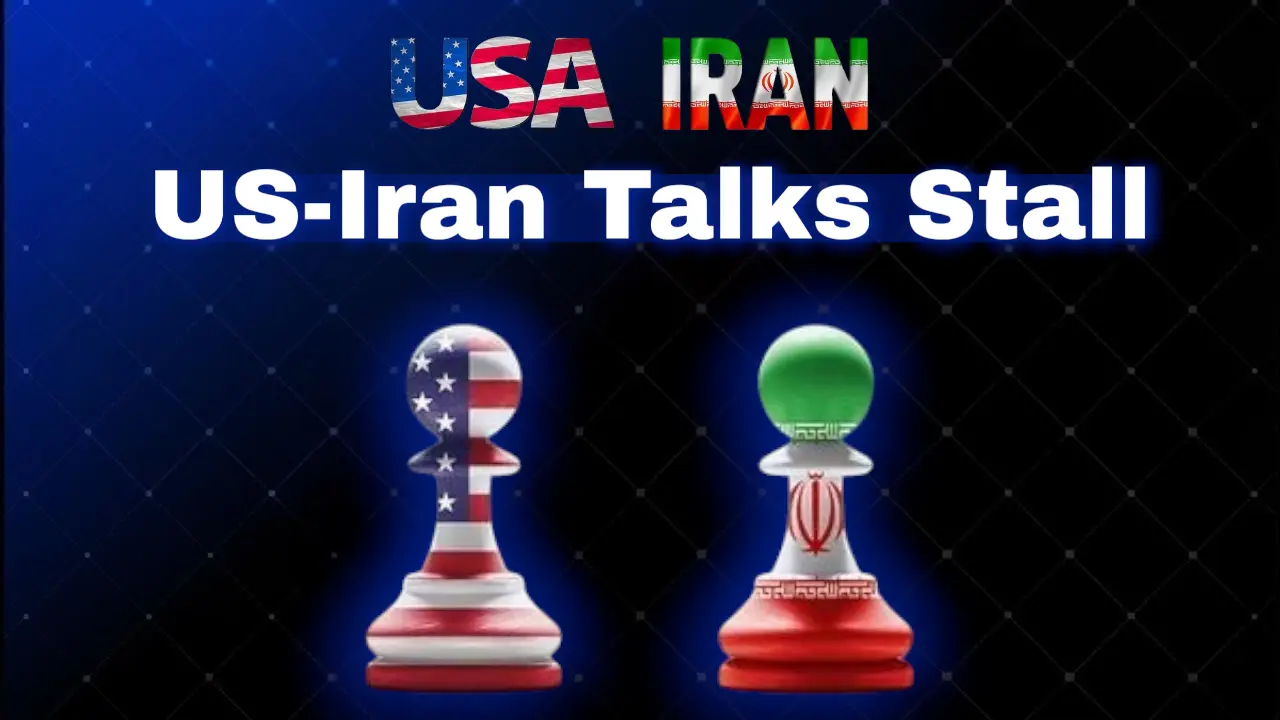
US-Iran Talks Stall: The Current Standoff
The diplomatic efforts between the United States and Iran have reached a critical impasse. Peace talks that were being mediated in Islamabad, Pakistan, have stalled as both sides maintain hardened positions. The United States has imposed a naval blockade on Iranian ports, which President Trump claims is costing Iran approximately 500 million dollars daily while the United States sustains minimal losses. In response, Iran has taken aggressive countermeasures including laying additional naval mines in the Strait of Hormuz, seizing commercial v
HighAmbition
#美伊谈判陷入僵局
US-Iran Talks Stall: The Current Standoff
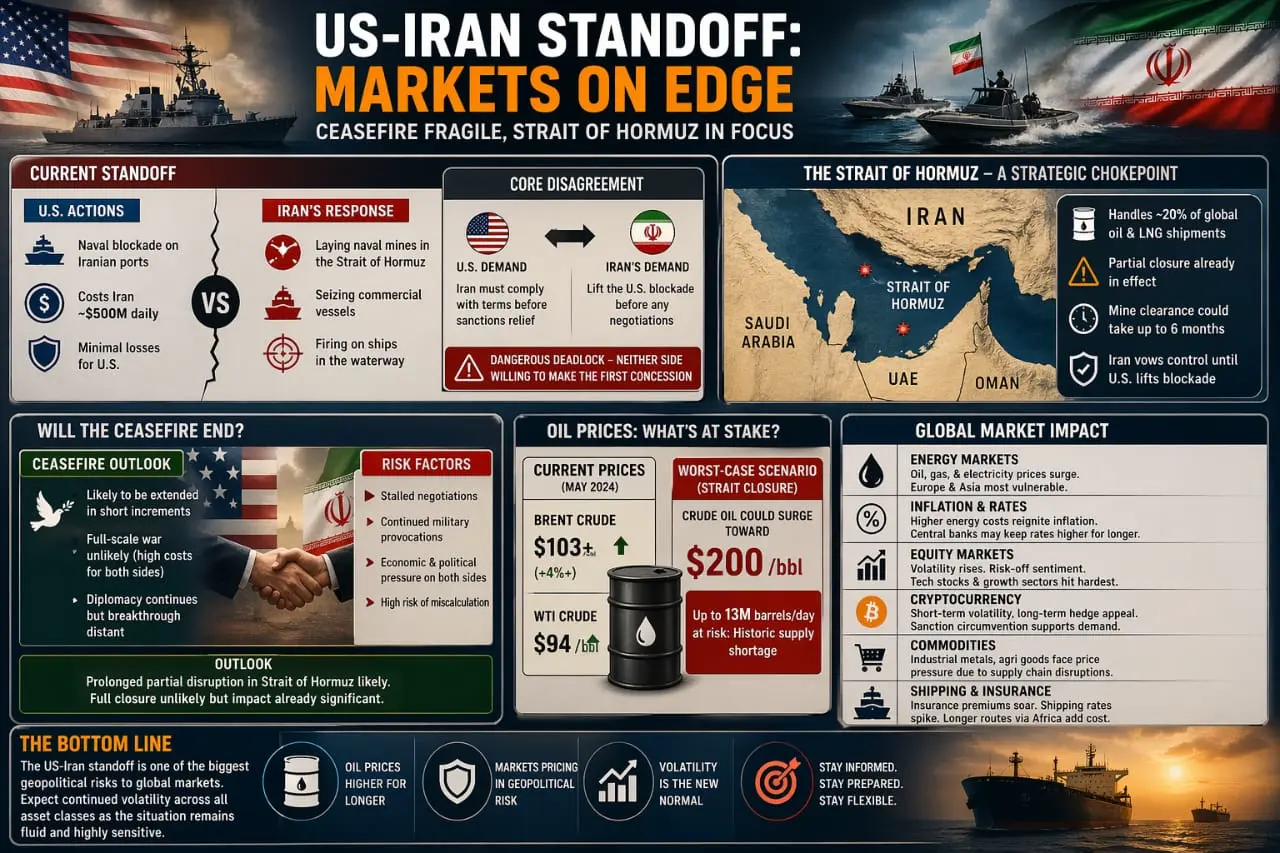
The diplomatic efforts between the United States and Iran have reached a critical impasse. Peace talks that were being mediated in Islamabad, Pakistan, have stalled as both sides maintain hardened positions. The United States has imposed a naval blockade on Iranian ports, which President Trump claims is costing Iran approximately 500 million dollars daily while the United States sustains minimal losses. In response, Iran has taken aggressive countermeasures including laying additional naval mines in the Strait of Hormuz, seizing commercial vessels, and firing on ships traversing the vital waterway.
The fundamental disagreement centers on sequencing. Iran demands the lifting of the US blockade as a precondition for any meaningful negotiations, while the United States insists on Iranian compliance with its terms before easing sanctions. President Trump has explicitly ruled out nuclear options but has threatened lethal force against Iranian mine-laying operations. This creates a dangerous deadlock where neither side appears willing to make the first concession.
Question 1: Will the Ceasefire End and Could the Strait of Hormuz Close?
My Detailed Assessment:
The ceasefire between the United States and Iran, which was set to expire, has been extended but remains extremely fragile. Based on current developments, I assess the situation as follows:
The ceasefire will likely hold in the immediate term but faces significant risk of collapse if diplomatic progress stalls further. Both sides have incentives to avoid full-scale military confrontation. The United States has invested considerable diplomatic capital in the negotiation process and would face domestic and international criticism for escalating to open warfare. Iran, despite its aggressive rhetoric, understands that direct military conflict with the United States would be catastrophic for its regime and economy.
However, the Strait of Hormuz closure is a distinct and more probable scenario. Iran has already demonstrated its willingness to restrict traffic through the strait, which handles approximately twenty percent of global oil shipments and liquefied natural gas supplies. The Iranian National Security Council has explicitly stated that Iran will maintain supervision and control over strait traffic until definitive peace is achieved and the US blockade is lifted.
The strait is effectively experiencing partial closure already. Iranian actions including mine-laying, vessel seizures, and direct attacks on commercial shipping have created a de facto blockade that has severely disrupted traffic. Maritime insurance costs have skyrocketed, and many shipping companies are avoiding the route entirely. Clearance of naval mines, if Iran deploys them extensively, could take up to six months even after hostilities cease.
My Opinion: The ceasefire will likely be extended repeatedly in short increments as both sides use the time to negotiate, but a comprehensive deal remains distant. The Strait of Hormuz will likely remain partially restricted for the foreseeable future, with Iran using control over the waterway as its primary leverage in negotiations. A full closure remains unlikely as it would trigger severe international backlash and potentially military intervention, but the current level of disruption is already sufficient to impact global energy markets significantly.
*Question 2: Impact of Escalation on Oil Prices and Global Markets
Oil Price Trajectory:
Current oil prices have already responded dramatically to the tensions. Brent crude has surged above one hundred dollars per barrel, reaching approximately one hundred three dollars, representing an increase of over four percent. West Texas Intermediate crude has climbed to around ninety-four dollars per barrel.
If the conflict escalates further, particularly if the Strait of Hormuz experiences complete closure or sustained major disruption, oil prices could spike significantly higher. Analysts suggest that in a worst-case scenario involving prolonged strait closure, crude oil prices could surge toward two hundred dollars per barrel. This would represent a doubling from current levels and would trigger one of the most severe energy crises in decades.
The International Energy Agency has warned of historic supply shortages, with up to thirteen million barrels per day at risk. This represents a substantial portion of global supply that cannot be easily replaced through alternative routes or increased production from other regions.
Global Market Impact:
Energy Markets: The impact extends beyond crude oil to refined products, natural gas, and electricity markets. European and Asian markets are particularly vulnerable given their dependence on Middle Eastern energy supplies. Natural gas prices in Europe, already elevated, would face additional pressure.
**Inflation and Monetary Policy:** Higher energy costs would reignite inflationary pressures globally. Central banks, including the Federal Reserve, European Central Bank, and Bank of England, would face difficult choices between controlling inflation and supporting economic growth. This could lead to prolonged higher interest rates, affecting borrowing costs for governments, corporations, and consumers.
**Equity Markets:** Stock markets have already shown sensitivity to the conflict. Major indices including the Nasdaq and Dow Jones have experienced volatility, with technology stocks particularly affected due to their sensitivity to interest rate expectations. Prolonged conflict would likely trigger a broader risk-off sentiment, with investors moving toward safe-haven assets.
Cryptocurrency Markets: The crypto market has demonstrated complex reactions to the geopolitical tensions. Bitcoin initially dipped to approximately seventy-six thousand dollars during peak tension but rebounded above seventy-eight thousand dollars on ceasefire extension hopes. Ethereum and altcoins have followed similar patterns.
The relationship between geopolitical conflict and crypto is nuanced. On one hand, crypto faces risk-off pressure as investors seek safety in traditional havens like the US dollar and gold. On the other hand, Iran and other sanctioned nations have increasingly used cryptocurrencies to circumvent financial restrictions, creating underlying demand. Additionally, concerns about fiat currency debasement and inflation could drive long-term interest in Bitcoin as a hedge.
Commodity Markets: Beyond energy, other commodities including agricultural products and industrial metals would face price pressure due to higher transportation costs and supply chain disruptions.
Regional Economies: Countries in the Middle East, particularly Gulf states, would face economic disruption despite being oil exporters. Tourism, trade, and financial services would suffer. European economies, already struggling with energy costs, would face additional headwinds that could push some regions into recession.
Shipping and Insurance: Maritime insurance premiums for vessels traversing the Strait of Hormuz have increased dramatically. Container shipping rates have widened significantly as shippers price in uncertainty and risk. Alternative routes around Africa add significant time and cost to shipments between Asia and Europe.
Conclusion:
The US-Iran standoff represents one of the most significant geopolitical risks to global markets in recent years. While full-scale war appears unlikely given the costs to both sides, the prolonged diplomatic stalemate and partial closure of the Strait of Hormuz create sustained uncertainty that markets must price in.
Oil prices have already breached one hundred dollars per barrel and could climb substantially higher if tensions escalate. The crypto market, while volatile, has shown resilience and may benefit from both risk-off flows and its utility in circumventing sanctions.
Investors should prepare for continued volatility across all asset classes. The situation remains fluid, with rapid developments possible as negotiations continue or break down. Monitoring diplomatic signals, military movements, and energy market indicators will be crucial for navigating this uncertain environment.
repost-content-media
  • Reward
  • 2
  • Repost
  • Share
CryptoDiscovery:
2026 GOGOGO 👊
View More
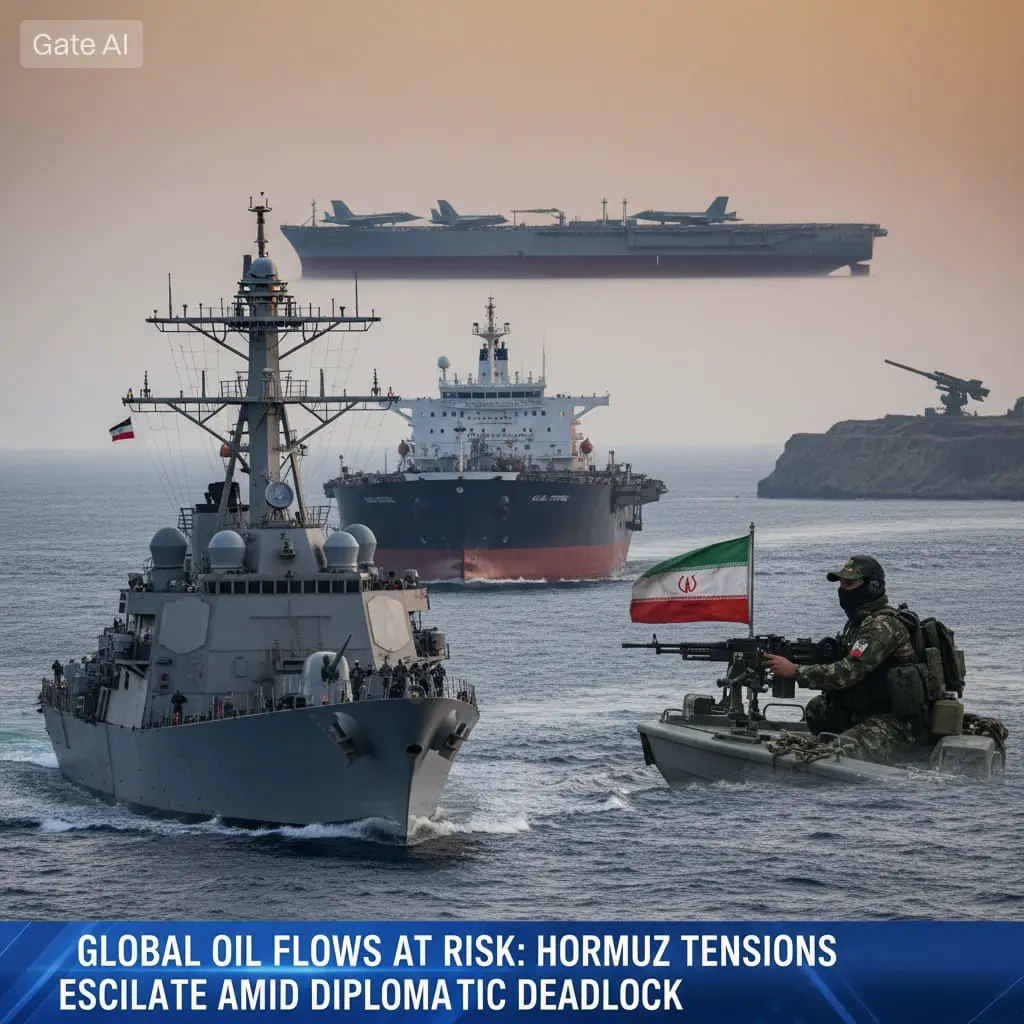
The market isn’t waiting for war.
It’s already pricing what happens if control is lost.
Right now, the Strait of Hormuz isn’t just a geopolitical hotspot — it’s the single most important pressure point for global liquidity.
And the situation has clearly escalated:
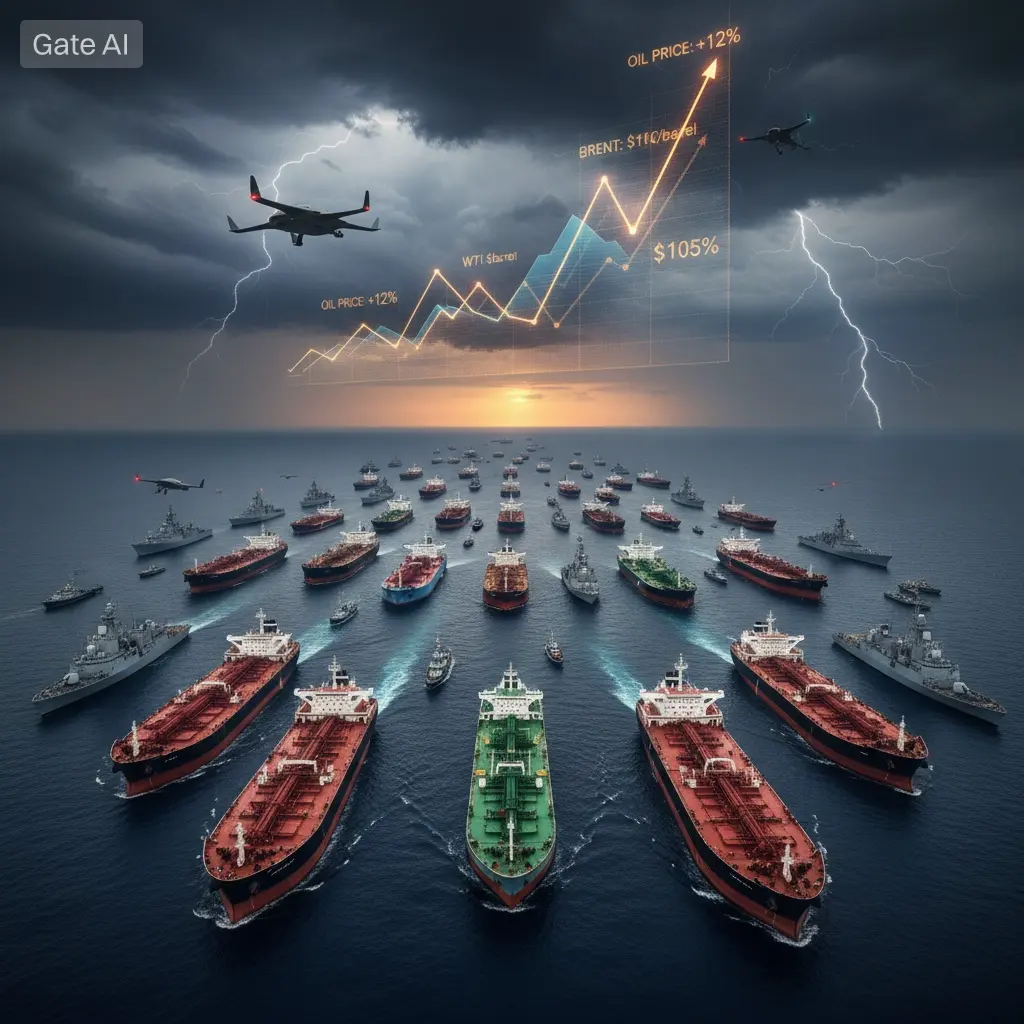
→ Oil already pushed above $105–106 as risk premium expands
→ Military buildup intensifying with multiple U.S. carrier groups deployed
→ Reports of mines, ship seizures, and near-total disruption fears
→ Negotiations stalled, with both sides preparing for worst-case scenarios
This is no longer “tension.”
This is pre-escalation positi
post-image
Gate广场_Official
📢 Gate Plaza | 4/24 Hot Topics: #美伊谈判陷入僵局
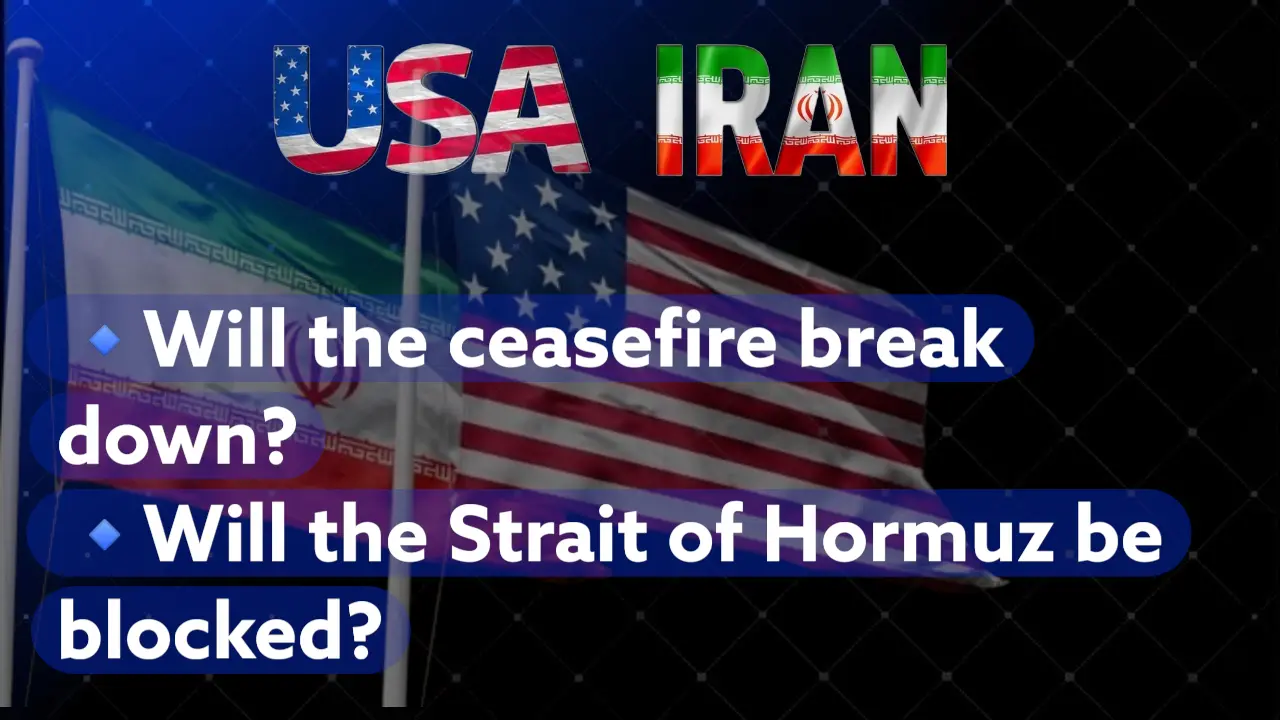
The Middle East situation heats up again, with the US-Iran game intensifying. Iran sends strong signals and accelerates military buildup, while the US simultaneously enhances deployments and initiates citizen evacuations. Tensions in the Strait of Hormuz escalate, with increased risks of oil tanker interception and blockade. Disagreements in negotiations continue to widen; whether a ceasefire will break down has become a key variable affecting oil prices and the global market.
🎁 Market analysis, pick 5 lucky winners to share $1,000 in position experience vouchers!
💬 This week's discussion:
1️⃣ Will the ceasefire break down? Will the Strait of Hormuz be blocked? What is your judgment?
2️⃣ If the conflict escalates, how will oil prices and the global market evolve?
🔗 Share now: https://www.gate.com/post
📅 Deadline: 4/26 18:00 (UTC+8)
repost-content-media
  • Reward
  • 11
  • Repost
  • Share
ChuDevil:
Chong Chong GT 🚀
View More
#美伊谈判陷入僵局
🤔Is Ceasefire on the verge of collapse?
🤔Will the Strait of Hormuz be closed?
🧐The current situation between the US and Iran is progressing not as a classic “peace process,” but rather as a balance of high-intensity pressure diplomacy + controlled military preparation. Recent developments show that the negotiation channel has not completely broken down, but the risk of escalation on the ground remains serious.
1. Will the ceasefire collapse?
Current data reveals that the ceasefire is officially continuing but is becoming fragile in practice.
Indirect talks between the US and Ira
BTC-0,23%
  • Reward
  • Comment
  • Repost
  • Share
#美伊谈判陷入僵局
🤔Is Ceasefire on the verge of collapse?
🤔Will the Strait of Hormuz be closed?
🧐The current situation between the US and Iran is progressing not as a classic “peace process,” but rather as a balance of high-intensity pressure diplomacy + controlled military preparation. Recent developments show that the negotiation channel has not completely broken down, but the risk of escalation on the ground remains serious.
1. Will the ceasefire collapse?
Current data reveals that the ceasefire is officially continuing but is becoming fragile in practice.
Indirect talks between the US and Ira
BTC-0,23%
post-image
User_any
#美伊谈判陷入僵局
Recent developments on the US-Iran front reveal an extremely fragile balance where diplomacy and military preparations are proceeding simultaneously. The current situation shows that both sides have not completely closed negotiation channels, while simultaneously increasing their capacity for pressure on the ground.
According to official and semi-official sources, while a new diplomatic channel is being explored through contacts centered in Pakistan, there is no clear agreement between the parties on direct talks. The Iranian side, while denying some claims and rejecting reports of direct negotiations with the US, emphasizes that its position is only being conveyed through indirect diplomatic messages.
In contrast, the US side is simultaneously activating economic and financial pressure mechanisms alongside the negotiation process. New sanctions against Iran, monitoring of cryptocurrency movements, and the freezing of certain assets stand out as an updated version of the "maximum pressure" approach. This clearly demonstrates the parallel strategy between the negotiating table and the economic front.
One of the most strategically critical issues is the Strait of Hormuz. Recent developments indicate increased tension over maritime traffic in the region, with military planning concentrating around this critical transit point. The US is reportedly considering a “dynamic targeting” approach in possible scenarios, while Iran is inclined to maintain its naval power and asymmetric capabilities.
The basic picture emerging from this context can be summarized as follows:
• Diplomacy has not completely broken down, but is under high uncertainty.
• Economic sanctions and financial pressure continue to increase.
• Military scenarios are particularly focused on sea routes.
From a market and geopolitical analysis perspective, the critical question is:
Will this process remain a controlled pressure diplomacy, or will a miscalculation trigger a chain reaction of escalation?
Current indicators show that both sides are trying to strengthen their positions without backing down. This transforms the process from a classic negotiation crisis into a high-risk strategic balancing act.
In conclusion, what is happening on the US-Iran front is not only a diplomatic crisis but also a multi-layered stress test in terms of energy security, the financial system, and global trade.
And the clearest truth at this point is:
The tension is not decreasing, it is only deepening by changing form.
repost-content-media
  • Reward
  • 14
  • Repost
  • Share
strong_man:
To The Moon 🌕
View More
#美伊谈判陷入僵局
US-Iran Talks Stall: The Current Standoff
The diplomatic efforts between the United States and Iran have reached a critical impasse. Peace talks that were being mediated in Islamabad, Pakistan, have stalled as both sides maintain hardened positions. The United States has imposed a naval blockade on Iranian ports, which President Trump claims is costing Iran approximately 500 million dollars daily while the United States sustains minimal losses. In response, Iran has taken aggressive countermeasures including laying additional naval mines in the Strait of Hormuz, seizing commercial v
HighAmbition
#美伊谈判陷入僵局
US-Iran Talks Stall: The Current Standoff
The diplomatic efforts between the United States and Iran have reached a critical impasse. Peace talks that were being mediated in Islamabad, Pakistan, have stalled as both sides maintain hardened positions. The United States has imposed a naval blockade on Iranian ports, which President Trump claims is costing Iran approximately 500 million dollars daily while the United States sustains minimal losses. In response, Iran has taken aggressive countermeasures including laying additional naval mines in the Strait of Hormuz, seizing commercial vessels, and firing on ships traversing the vital waterway.
The fundamental disagreement centers on sequencing. Iran demands the lifting of the US blockade as a precondition for any meaningful negotiations, while the United States insists on Iranian compliance with its terms before easing sanctions. President Trump has explicitly ruled out nuclear options but has threatened lethal force against Iranian mine-laying operations. This creates a dangerous deadlock where neither side appears willing to make the first concession.
Question 1: Will the Ceasefire End and Could the Strait of Hormuz Close?
My Detailed Assessment:
The ceasefire between the United States and Iran, which was set to expire, has been extended but remains extremely fragile. Based on current developments, I assess the situation as follows:
The ceasefire will likely hold in the immediate term but faces significant risk of collapse if diplomatic progress stalls further. Both sides have incentives to avoid full-scale military confrontation. The United States has invested considerable diplomatic capital in the negotiation process and would face domestic and international criticism for escalating to open warfare. Iran, despite its aggressive rhetoric, understands that direct military conflict with the United States would be catastrophic for its regime and economy.
However, the Strait of Hormuz closure is a distinct and more probable scenario. Iran has already demonstrated its willingness to restrict traffic through the strait, which handles approximately twenty percent of global oil shipments and liquefied natural gas supplies. The Iranian National Security Council has explicitly stated that Iran will maintain supervision and control over strait traffic until definitive peace is achieved and the US blockade is lifted.
The strait is effectively experiencing partial closure already. Iranian actions including mine-laying, vessel seizures, and direct attacks on commercial shipping have created a de facto blockade that has severely disrupted traffic. Maritime insurance costs have skyrocketed, and many shipping companies are avoiding the route entirely. Clearance of naval mines, if Iran deploys them extensively, could take up to six months even after hostilities cease.
My Opinion: The ceasefire will likely be extended repeatedly in short increments as both sides use the time to negotiate, but a comprehensive deal remains distant. The Strait of Hormuz will likely remain partially restricted for the foreseeable future, with Iran using control over the waterway as its primary leverage in negotiations. A full closure remains unlikely as it would trigger severe international backlash and potentially military intervention, but the current level of disruption is already sufficient to impact global energy markets significantly.
*Question 2: Impact of Escalation on Oil Prices and Global Markets
Oil Price Trajectory:
Current oil prices have already responded dramatically to the tensions. Brent crude has surged above one hundred dollars per barrel, reaching approximately one hundred three dollars, representing an increase of over four percent. West Texas Intermediate crude has climbed to around ninety-four dollars per barrel.
If the conflict escalates further, particularly if the Strait of Hormuz experiences complete closure or sustained major disruption, oil prices could spike significantly higher. Analysts suggest that in a worst-case scenario involving prolonged strait closure, crude oil prices could surge toward two hundred dollars per barrel. This would represent a doubling from current levels and would trigger one of the most severe energy crises in decades.
The International Energy Agency has warned of historic supply shortages, with up to thirteen million barrels per day at risk. This represents a substantial portion of global supply that cannot be easily replaced through alternative routes or increased production from other regions.
Global Market Impact:
Energy Markets: The impact extends beyond crude oil to refined products, natural gas, and electricity markets. European and Asian markets are particularly vulnerable given their dependence on Middle Eastern energy supplies. Natural gas prices in Europe, already elevated, would face additional pressure.
**Inflation and Monetary Policy:** Higher energy costs would reignite inflationary pressures globally. Central banks, including the Federal Reserve, European Central Bank, and Bank of England, would face difficult choices between controlling inflation and supporting economic growth. This could lead to prolonged higher interest rates, affecting borrowing costs for governments, corporations, and consumers.
**Equity Markets:** Stock markets have already shown sensitivity to the conflict. Major indices including the Nasdaq and Dow Jones have experienced volatility, with technology stocks particularly affected due to their sensitivity to interest rate expectations. Prolonged conflict would likely trigger a broader risk-off sentiment, with investors moving toward safe-haven assets.
Cryptocurrency Markets: The crypto market has demonstrated complex reactions to the geopolitical tensions. Bitcoin initially dipped to approximately seventy-six thousand dollars during peak tension but rebounded above seventy-eight thousand dollars on ceasefire extension hopes. Ethereum and altcoins have followed similar patterns.
The relationship between geopolitical conflict and crypto is nuanced. On one hand, crypto faces risk-off pressure as investors seek safety in traditional havens like the US dollar and gold. On the other hand, Iran and other sanctioned nations have increasingly used cryptocurrencies to circumvent financial restrictions, creating underlying demand. Additionally, concerns about fiat currency debasement and inflation could drive long-term interest in Bitcoin as a hedge.
Commodity Markets: Beyond energy, other commodities including agricultural products and industrial metals would face price pressure due to higher transportation costs and supply chain disruptions.
Regional Economies: Countries in the Middle East, particularly Gulf states, would face economic disruption despite being oil exporters. Tourism, trade, and financial services would suffer. European economies, already struggling with energy costs, would face additional headwinds that could push some regions into recession.
Shipping and Insurance: Maritime insurance premiums for vessels traversing the Strait of Hormuz have increased dramatically. Container shipping rates have widened significantly as shippers price in uncertainty and risk. Alternative routes around Africa add significant time and cost to shipments between Asia and Europe.
Conclusion:
The US-Iran standoff represents one of the most significant geopolitical risks to global markets in recent years. While full-scale war appears unlikely given the costs to both sides, the prolonged diplomatic stalemate and partial closure of the Strait of Hormuz create sustained uncertainty that markets must price in.
Oil prices have already breached one hundred dollars per barrel and could climb substantially higher if tensions escalate. The crypto market, while volatile, has shown resilience and may benefit from both risk-off flows and its utility in circumventing sanctions.
Investors should prepare for continued volatility across all asset classes. The situation remains fluid, with rapid developments possible as negotiations continue or break down. Monitoring diplomatic signals, military movements, and energy market indicators will be crucial for navigating this uncertain environment.
repost-content-media
  • Reward
  • Comment
  • Repost
  • Share
#美伊谈判陷入僵局
US-Iran Talks Stall: The Current Standoff
The diplomatic efforts between the United States and Iran have reached a critical impasse. Peace talks that were being mediated in Islamabad, Pakistan, have stalled as both sides maintain hardened positions. The United States has imposed a naval blockade on Iranian ports, which President Trump claims is costing Iran approximately 500 million dollars daily while the United States sustains minimal losses. In response, Iran has taken aggressive countermeasures including laying additional naval mines in the Strait of Hormuz, seizing commercial v
post-image
  • Reward
  • Comment
  • Repost
  • Share
Load More