


Share crypto content and earn up to 60% commissions through content mining.
placeholder
gatefun
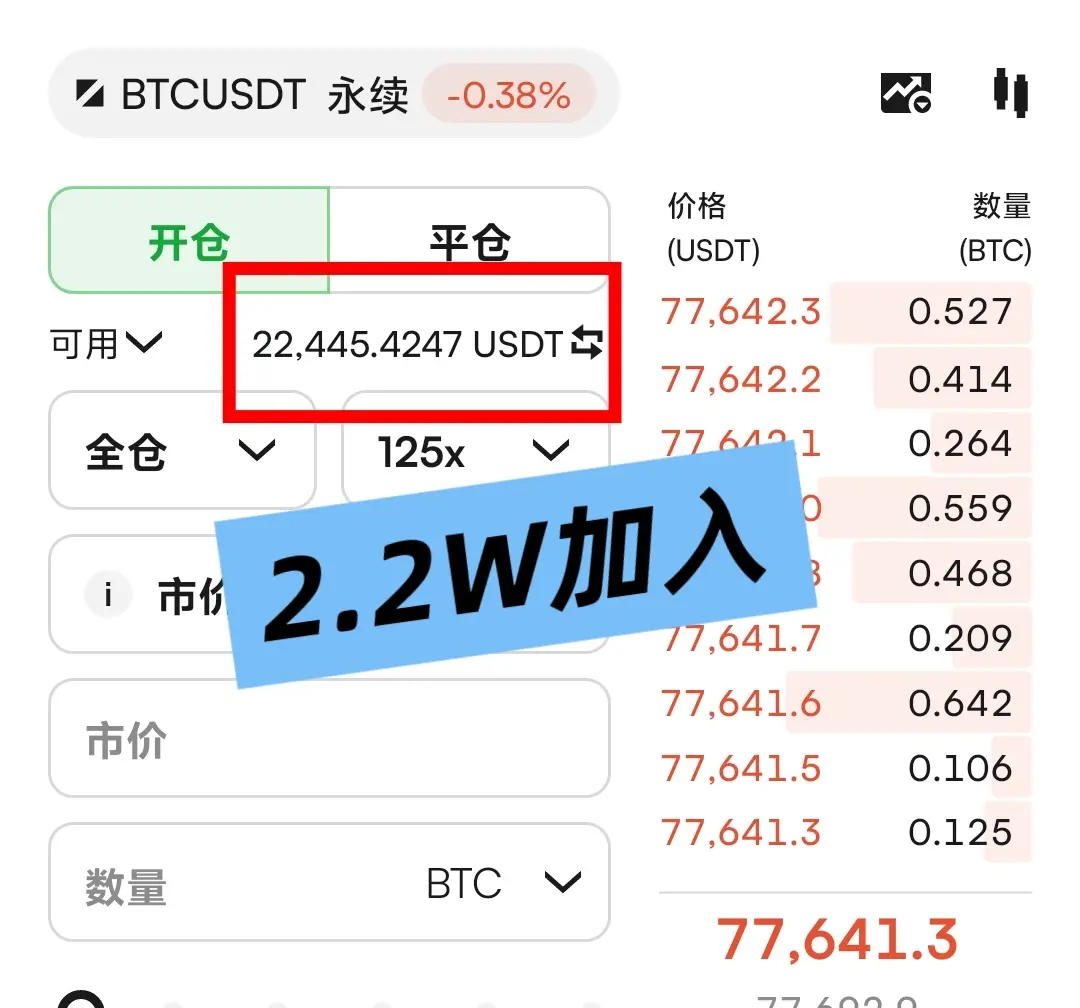
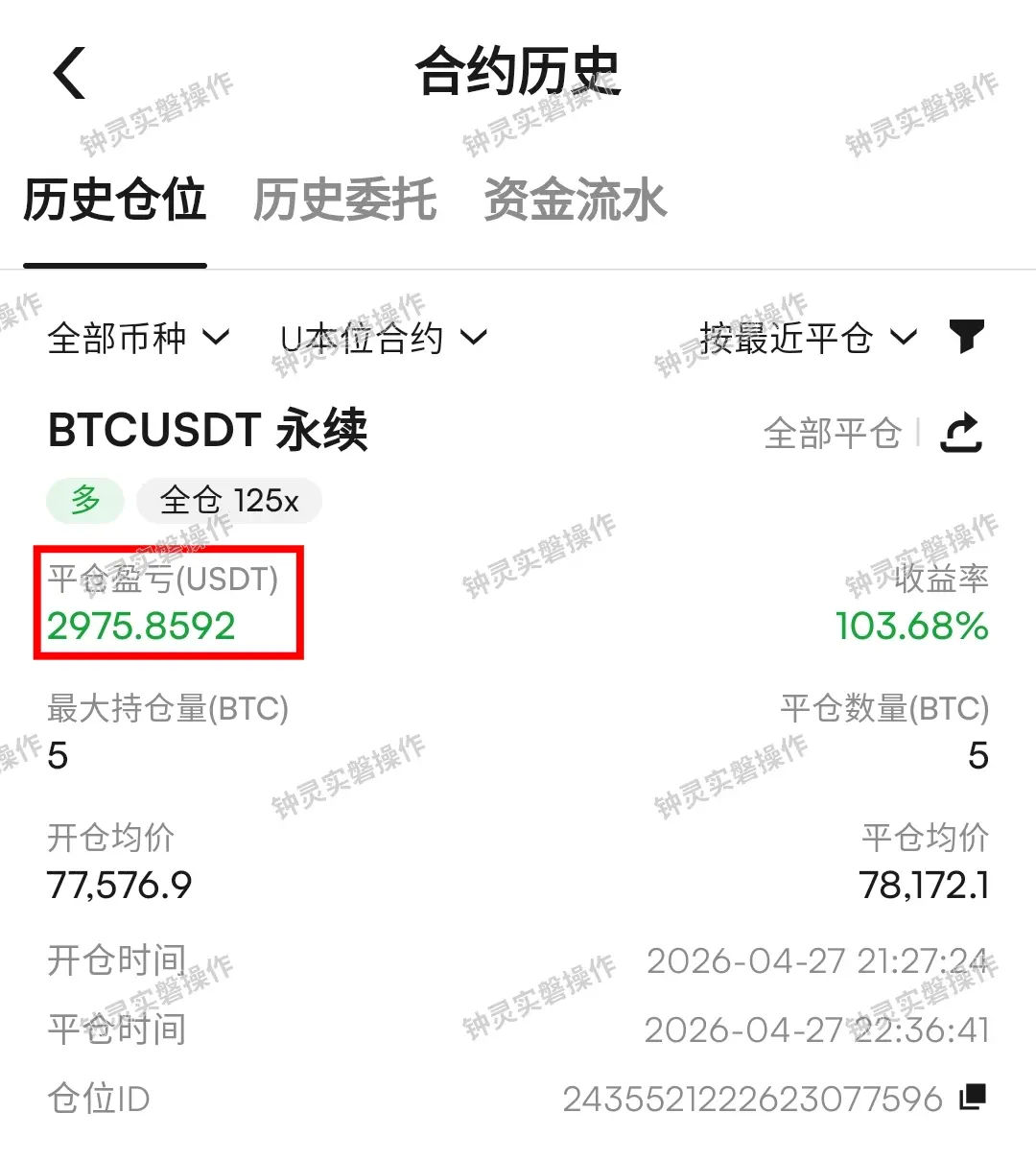
After a rise and fall in the morning, BTC went straight into a crash, and the market was almost dead-flat by afternoon all the way up to the U.S. stock market open. Fortunately, in the evening, the long positions gained momentum—selling at exactly 600 points for take-profit, and the 3000U was secured.
$BTC $ETH $SOL #比特币突破7.9万美元 #加密市场普遍上涨 #白宫记协晚宴发生枪击事件 #伊朗提出霍尔木兹海峡重开协议条件 #原油价格上涨
BTC-1,79%
ETH-3,29%
SOL-3,08%
View Original
post-image
post-image
post-image
  • Reward
  • 1
  • Repost
  • Share
DreamyRipple:
Are you taking orders?
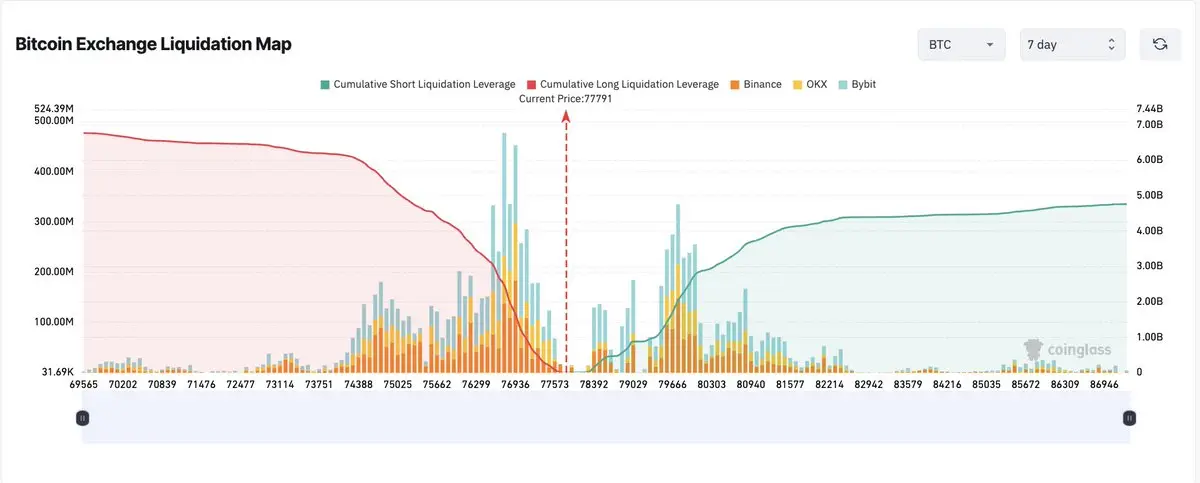
Every time $BTC visits around ~$80k, people open short positions.
Right now, Bitcoin has similar liquidity on both sides. It could trade sideways if the ceasefire is extended. 👀
BTC-1,8%
post-image
  • Reward
  • Comment
  • Repost
  • Share
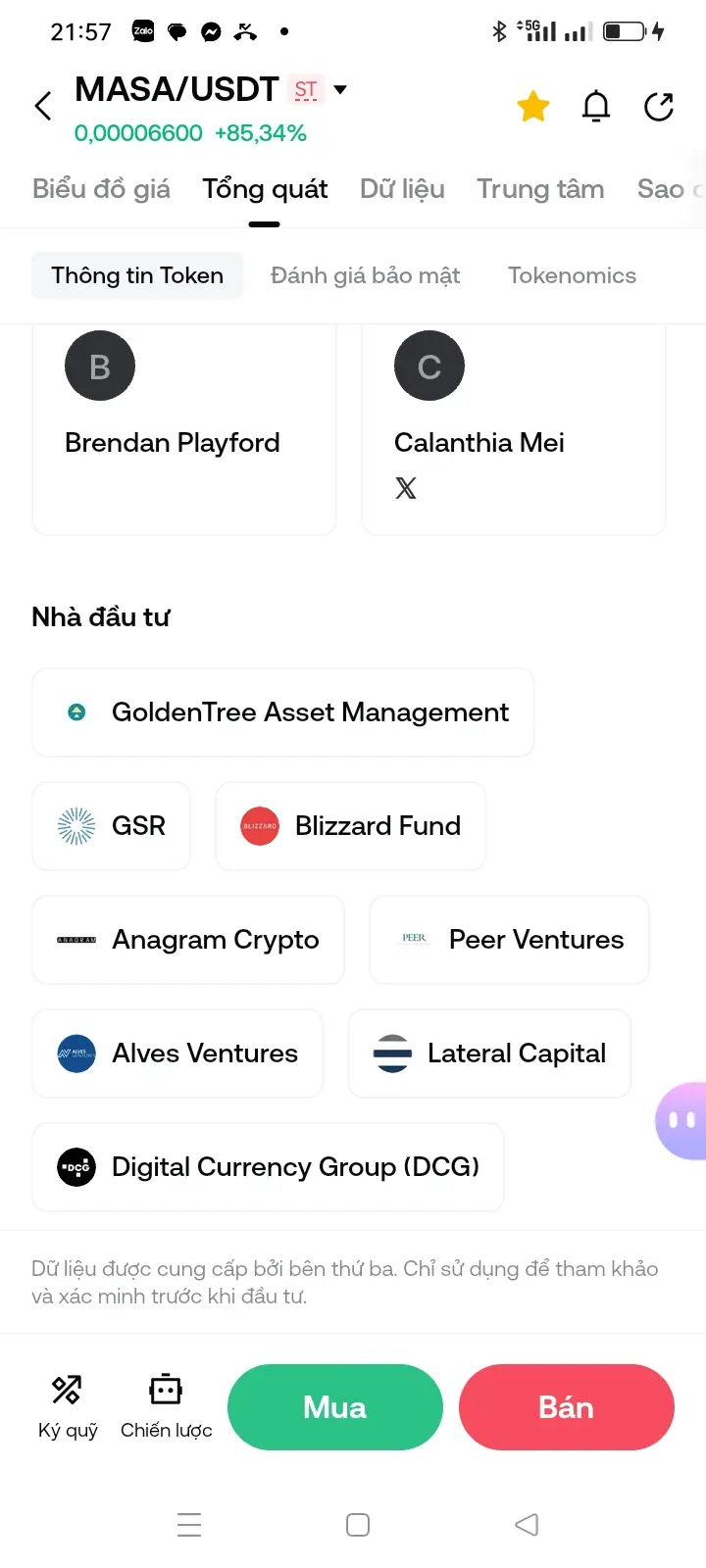
$MASA All major investors. Why is the growth rate so low?
MASA85,34%
View Original
post-image
  • Reward
  • Comment
  • Repost
  • Share
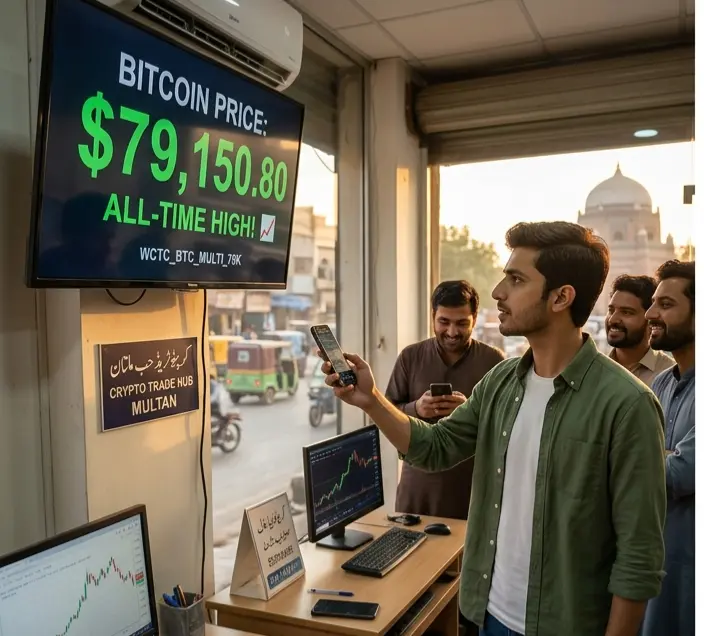
#比特币Breaks79K means Bitcoin has pushed above the $79,000 psychological resistance level, which is a major technical zone watched by traders worldwide. This breakout usually signals strong bullish momentum, increased buying pressure, and possible continuation toward higher targets like $80K–$85K.
From a deeper market view, $79K is often treated as a liquidity and resistance cluster, where sellers take profit and buyers test strength. When Bitcoin breaks it, it can trigger a short squeeze, forcing bearish traders to close positions and accelerating price movement.
However, such breakouts are no
BTC-1,8%
post-image
post-image
  • Reward
  • Comment
  • Repost
  • Share
#TopCopyTradingScout
The Rise, the Risks, and the Revolution of Copy Trading in 2026
Copy trading has rapidly evolved into one of the most talked-about developments in modern investing. At its core, it allows individuals to automatically replicate the trades of experienced professionals in real time. Instead of spending hours analyzing charts or tracking news, users can connect their accounts to skilled traders and mirror their positions proportionally. When a trader buys or sells assets like Bitcoin, gold, or forex pairs, the same action is executed in the follower’s account instantly. This
BTC-1,8%
post-image
Luna_Star
#TopCopyTradingScout
The Rise, the Risks, and the Revolution of Copy Trading in 2026
Copy trading has rapidly evolved into one of the most talked-about developments in modern investing. At its core, it allows individuals to automatically replicate the trades of experienced professionals in real time. Instead of spending hours analyzing charts or tracking news, users can connect their accounts to skilled traders and mirror their positions proportionally. When a trader buys or sells assets like Bitcoin, gold, or forex pairs, the same action is executed in the follower’s account instantly. This simple yet powerful concept has opened the doors of global financial markets to millions who lack the time or expertise to trade actively.
The growth of the copy trading industry reflects a much larger transformation in how people access financial markets. What was once a niche feature has now become a multi-billion-dollar ecosystem. The global social trading market is valued at over $10 billion in 2026 and is expected to nearly double in the coming decade. This expansion is driven by mobile-first platforms, increased retail participation, and the blending of social media with financial decision-making. Algorithmic trading, which powers much of this infrastructure, is also growing rapidly, reinforcing the technological backbone behind copy trading systems.
A wide range of platforms now compete in this space, each offering different features tailored to various types of users. Major exchanges have integrated copy trading directly into their ecosystems, while specialized platforms focus on advanced execution and analytics. Some platforms prioritize beginner-friendly experiences with protective tools, while others cater to high-volume traders who require precision and minimal slippage. This diversity has made copy trading accessible to both small retail investors and large-scale participants.
Artificial intelligence has become a defining force in the evolution of copy trading. Modern platforms are no longer limited to simply connecting users with human traders. They now incorporate machine learning, real-time analytics, and automated risk management systems. These tools help users evaluate traders more effectively, manage exposure, and optimize execution. At the institutional level, AI is already being used to process vast amounts of data and execute trades with speed and efficiency that far exceed human capability. For retail users, this means access to a level of decision-making support that was previously unimaginable.
Despite its advantages, copy trading is far from risk-free. One of the most critical challenges is the gap between a trader’s performance and the results experienced by followers. Factors such as execution delays, liquidity constraints, and slippage can significantly impact outcomes. In volatile markets, even minor timing differences can lead to noticeable losses. Additionally, when large numbers of users copy the same trades simultaneously, it can amplify market movements and create cascading effects during periods of stress. Copy trading simplifies participation, but it does not eliminate risk.
Regulation remains another complex issue. Different regions apply different rules, and many platforms operate in loosely regulated environments. While some are overseen by established financial authorities, a significant portion of the industry still exists in regulatory gray areas. This creates uneven levels of protection for users and increases the importance of choosing reliable, transparent platforms. As the industry continues to grow, regulatory frameworks will likely play a crucial role in shaping its long-term stability.
A major shift in 2026 is the rise of on-chain copy trading within the crypto ecosystem. Instead of relying on centralized platforms, users can now track and replicate blockchain wallet activity directly. This approach removes intermediaries and increases transparency, as all transactions are visible on-chain. However, it also introduces new risks, particularly in highly volatile crypto markets where losses can occur quickly. While the technology is innovative, it requires a deeper understanding from users to avoid costly mistakes.
Choosing the right trader to copy remains the most important decision in this entire process. High returns alone are not a reliable indicator of skill. More meaningful metrics include consistency, risk management, and performance during market downturns. Many platforms now provide advanced tools to evaluate traders, including risk scores and drawdown analysis. Features like copy stop-loss settings add an extra layer of protection, allowing users to automatically exit if losses exceed a certain threshold.
Geographically, the growth of copy trading is expanding beyond traditional markets. Asia-Pacific, along with emerging economies, is becoming a major driver of adoption. Increased smartphone usage, financial inclusion initiatives, and rising interest in alternative assets are fueling this expansion. For many users in these regions, copy trading represents their first real opportunity to participate in global financial markets with minimal barriers.
Looking ahead, the future of copy trading will be shaped by the continued integration of artificial intelligence, the expansion of asset classes, and the development of more community-driven platforms. The industry is moving toward a model that combines automation, social interaction, and decentralized infrastructure. While the opportunities are significant, the risks remain equally important. Success in copy trading will not come from blindly following others, but from understanding the systems, managing risk carefully, and making informed decisions.

repost-content-media
  • Reward
  • Comment
  • Repost
  • Share
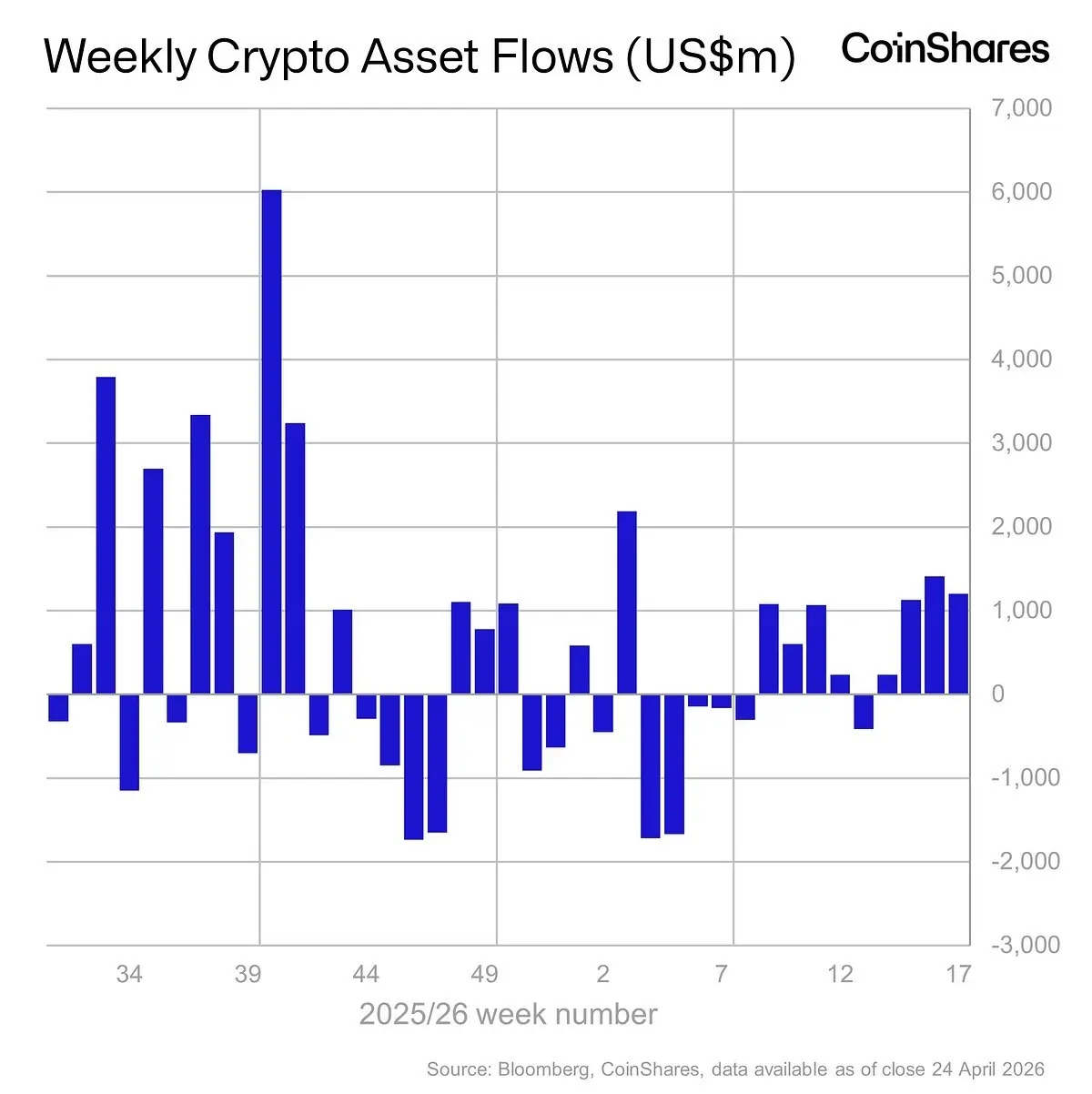
🟠 $1.2B flowed into crypto funds last week — 4 straight positive weeks
CoinShares reports crypto investment products (ETPs) pulled +$1.2B last week. That makes four weeks in a row of inflows. Over the last four weeks, the total is about $3.9B — the strongest stretch this year.
📊 Key points
— Total AUM rose to $155B (highest since early February)
— BTC traded back above $76K for the first time since the February dip
— Markets are also watching the Fed meeting Apr 28–29, which can keep some investors cautious
💰 Where the money went
— Bitcoin: +$932.5M (YTD now around ~$4B)
— A big share came
BTC-1,8%
ETH-3,38%
XRP-3,01%
  • Reward
  • Comment
  • Repost
  • Share
Steadily moving forward, taking each step firmly.
Goals are being realized one by one, plans are gradually coming to fruition, and the distance to the desired outcome will only get closer.
$BTC $GT #比特币突破7.9万美元
BTC-1,78%
GT-0,71%
View Original
post-image
  • Reward
  • Comment
  • Repost
  • Share
Good evening legends
The day is ending but your journey isn’t, keep going.
post-image
  • Reward
  • Comment
  • Repost
  • Share
In this fast-paced era, we choose to build trust with patience. Because we understand that true trust is like aged wine, it takes time to mature. Welcome new friends
$BTC $ETH $SOL #比特币突破7.9万美元 #加密市场普遍上涨 #白宫记协晚宴发生枪击事件 #伊朗提出霍尔木兹海峡重开协议条件
BTC-1,79%
ETH-3,29%
SOL-3,08%
View Original
post-image
  • Reward
  • Comment
  • Repost
  • Share
Gate 13th Anniversary Special ETF Event: Unlock a 13x Earnings Boost and Share an 80,000 USDT Prize Pool https://www.gate.com/campaigns/4498?ref=VLRFB1TBBQ&ref_type=132&utm_cmp=wje8gtkm
post-image
  • Reward
  • Comment
  • Repost
  • Share
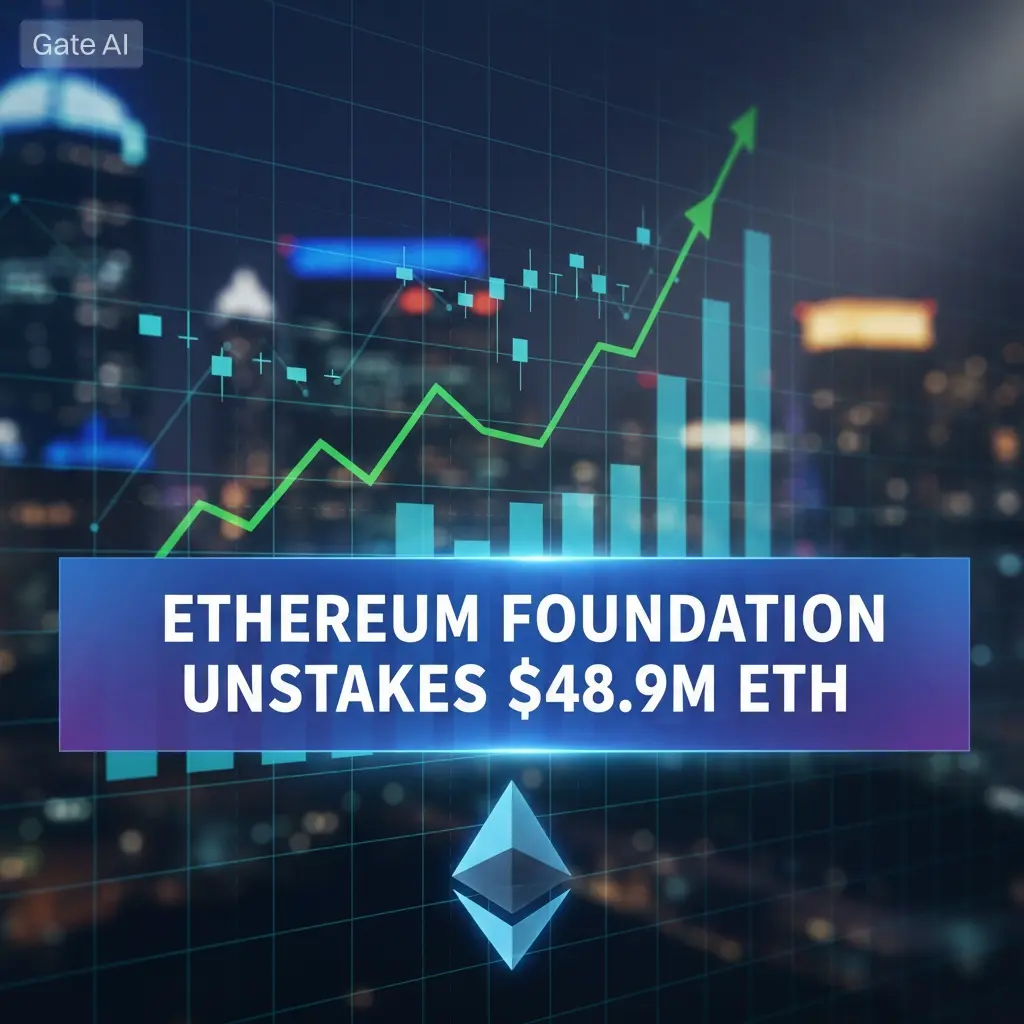
#EthereumFoundationUnstakes$48.9METH
TRUST, TRANSPARENCY, AND THE TRILLION-DOLLAR QUESTION
THE MOVE THAT SHOOK THE CRYPTO MARKET
On April 26, 2026, the Ethereum community woke up to a headline that immediately set off alarms across trading desks, social media threads, and prediction markets worldwide. The Ethereum Foundation initiated the unstaking of approximately $48.9 million worth of Ethereum, according to blockchain data tracked by Arkham Intelligence. The move involves converting staked assets through Lido's unstaking process — a step that will ultimately return the funds to a liquid st
post-image
Luna_Star
#EthereumFoundationUnstakes$48.9METH
TRUST, TRANSPARENCY, AND THE TRILLION-DOLLAR QUESTION
THE MOVE THAT SHOOK THE CRYPTO MARKET
On April 26, 2026, the Ethereum community woke up to a headline that immediately set off alarms across trading desks, social media threads, and prediction markets worldwide. The Ethereum Foundation initiated the unstaking of approximately $48.9 million worth of Ethereum, according to blockchain data tracked by Arkham Intelligence. The move involves converting staked assets through Lido's unstaking process — a step that will ultimately return the funds to a liquid state. The mechanics were visible to anyone watching on-chain: the Ethereum Foundation deposited wrapped staked Ether (wstETH) tokens into the unstETH contract of Lido, which paved the way for receiving unstaked ETH coins following the finalization of the unlocking procedure. One of the transfers involved up to 811.206 wstETH worth nearly $2.3 million, while another transaction accounted for nearly 219.461 wstETH. In blockchain, nothing is private — and within hours of the transaction hitting the chain, Arkham publicly flagged the move with a pointed question that instantly went viral across crypto discussions: "Are they going to sell this ETH as well?" That single question, posed by one of the most-watched on-chain intelligence platforms in the world, was all it took to send the market into a frenzy of speculation, fear, and debate.
UNDERSTANDING WHAT "UNSTAKING" ACTUALLY MEANS
Before the market panic is assessed, it is important to understand what this transaction technically represents — and what it does not. Staking involves locking up cryptocurrency to support network operations, typically in exchange for rewards. In this case, the Ethereum Foundation had previously staked ETH via liquid staking derivatives such as wstETH. The unstaking process converts those locked assets back into liquid ETH — but liquid does not automatically mean sold. The development has drawn attention across the crypto market as it introduces the possibility — though not confirmation — of increased selling pressure once the assets are fully unlocked. If the unstaked ETH were to be sold, it could introduce additional supply into the market, potentially affecting price levels. The scale of $48.9 million is significant, though its impact would depend on market conditions and liquidity. At the same time, if the funds are retained or redeployed within the ecosystem, the effect on price may be limited. In other words, the Ethereum Foundation now holds liquid ETH — it may sell, redeploy, hold, or convert those assets into stablecoins for operational purposes. The market, however, has learned through historical experience that whenever the Foundation converts staked or locked ETH into liquid form, selling often follows — and that history is precisely what makes this transaction so significant to watch.
THE STAKING JOURNEY THAT LED TO THIS MOMENT
To fully grasp why the unstaking of $48.9 million matters, one must understand the dramatic staking journey the Ethereum Foundation embarked upon in the months leading up to this event. For years, the Foundation was criticized for simply selling ETH to fund its operations rather than staking it to earn yield. The earlier model — where the Foundation relied on ETH sales — drew criticism through 2024 and early 2025. The shift to staking allowed the Foundation to earn yield without needing to sell its coins, creating what was marketed as a long-term, self-sustaining treasury. The community watched as the Foundation began building toward a major commitment. The Foundation had steadily increased its staking position over recent months — in February, it staked just over 2,000 ETH, followed by more than 22,000 ETH in March, and earlier in April it added over 45,000 ETH in several transactions. The total deposit of 45,034 ETH was split into uniform chunks of 2,047 ETH, each worth roughly $4.23 million, sent from the foundation's treasury multisig to the Ethereum 2 Beacon Chain deposit contract — bringing the cumulative staked position to approximately 69,500 ETH, nearly the full 70,000 ETH commitment. The community had barely finished acknowledging that milestone when the Foundation began unstaking — a pivot that, given the history, immediately triggered concern.
THE UNCOMFORTABLE PATTERN: STAKE, THEN SELL
The reason the April 26 unstaking caused such immediate alarm is not just about the size of the transaction — it is about the pattern. The development reopened a debate over what the Foundation's treasury overhaul was ever meant to accomplish. Over the last year, the Foundation moved treasury assets into DeFi, borrowed against ETH collateral, and then launched a staking initiative centered on about 70,000 ETH. Many participants had started to treat staking as a partial answer to sell pressure. The new move shows that staking rewards and DeFi borrowing may improve treasury flexibility, but they still do not remove the need to sell ETH for operational cash. The timeline of recent moves reinforces this concern: a 5,000 ETH OTC sale in March, followed by further conversions in April, shows that selling and staking have been happening simultaneously. The unstaking decision fits a pattern of inconsistent treasury signaling. For a community that expected a clear shift away from the sell-to-operate model, the recurring appearance of liquid ETH continues to create uncertainty.
THE PRICE IMPACT: STABILITY ON THE SURFACE, TENSION UNDERNEATH
Despite the magnitude of the transaction and the intensity of the debate it sparked, Ethereum's price held relatively stable, trading between $2,300 and $2,400. This range represents a key decision zone — a breakout above could signal continuation, while a drop below could open downside toward lower support levels. Beneath that stability, however, sentiment remains cautious. Traders are evaluating whether the move signals potential selling pressure. With a large amount of ETH becoming liquid, the possibility of a market impact remains present. Prediction markets and long-term expectations reflect this caution, with relatively low confidence in aggressive upside targets within the current year. The short-term resilience is notable, but broader sentiment still reflects uncertainty around the Foundation's intentions.
A HISTORY OF CONTROVERSY: THE TRUST DEFICIT
The community's sensitivity to these moves is rooted in a long history of treasury-related concerns. Previous large transfers to exchanges triggered backlash and required clarification. Over time, repeated instances of ETH movements without clear communication created a perception problem. Reports have also highlighted a declining treasury balance alongside rising operational costs over recent years. This combination — shrinking reserves and increasing expenses — has contributed to a persistent trust deficit within parts of the community.
THE JUNE 2025 TREASURY POLICY: PROMISES AND THEIR LIMITS
In June 2025, the Ethereum Foundation introduced a formal treasury policy aimed at improving transparency and structure. The plan included allocating a portion of the treasury to operational expenses, maintaining a multi-year reserve buffer, and committing to regular reporting. It also emphasized flexibility in reallocating funds across different strategies, including staking and DeFi participation. While the policy was widely seen as a positive step, events like the April 2026 unstaking have reignited debate over how consistently those principles are being applied in practice.
THE CORPORATE SHIFT: WHO IS ABSORBING SUPPLY
Another major shift in the Ethereum ecosystem is the growing role of corporate treasury participants. Large entities have accumulated significant ETH positions, in some cases surpassing the Foundation itself. This trend suggests a redistribution of supply from nonprofit stewardship toward corporate balance sheets. The Foundation's structured sales to institutional buyers highlight this transition. While this may provide liquidity and stability in some contexts, it also raises deeper questions about concentration and long-term network dynamics.
WHAT HAPPENS NEXT: THE SIGNALS TO WATCH
The market is now watching closely for the next move. Any clarity from the Ethereum Foundation regarding the purpose of the unstaked ETH will be critical. Whether the funds are sold, held, or redeployed will shape market interpretation. The broader takeaway is that staking, while helpful, does not eliminate the need for treasury management decisions that may involve selling. The Foundation still holds a substantial amount of ETH, both staked and unstaked, and its future actions will continue to influence sentiment. For the Ethereum ecosystem, this moment reflects an ongoing tension between long-term vision and practical financial management — a balance that remains unresolved.
repost-content-media
  • Reward
  • Comment
  • Repost
  • Share
🔥Flash Swap Lucky Draw, Fourteen Sessions
Trade $1 to participate in the lottery, unlock XRP and $200

100% win rate, start your flash swap journey now: https://www.gate.com/campaigns/4675
✅ Trade $1 to enter the lottery and instantly receive XRP
✅ Daily flash swap check-in, receive an exclusive lucky gift bag
✅ Advanced trading to receive a 200 USDT cash reward
Announcement link: https://www.gate.com/announcements/article/50929
XRP-3,01%
View Original
post-image
  • Reward
  • 7
  • Repost
  • Share
ShainingMoon:
To The Moon 🌕
View More
Honestly, I didn’t get why manus is being mocked.
To me, this product is incredibly awesome. From the very first day it was positioned, it has followed an intelligent agent collaboration route—despite the underlying model being pretty bad, it still managed to deliver excellent results. Especially with chart rendering, it’s also the best ( before various skills even showed up.
Take Claude Code, for example—most of its target users are programmers. But why is OpenClaw so good at breaking out of the “programmer-only” circle? Because a lot more of its audience is ordinary people: office worker
View Original
  • Reward
  • Comment
  • Repost
  • Share
Money is just a number; I want to print as much as I want.
View Original
post-image
  • Reward
  • Comment
  • Repost
  • Share
Strategy buys another 3,273 $BTC for ~$255M at ~$77,906 per #bitcoin
Total holdings now: 818,334 BTC
BTC-1,8%
  • Reward
  • Comment
  • Repost
  • Share
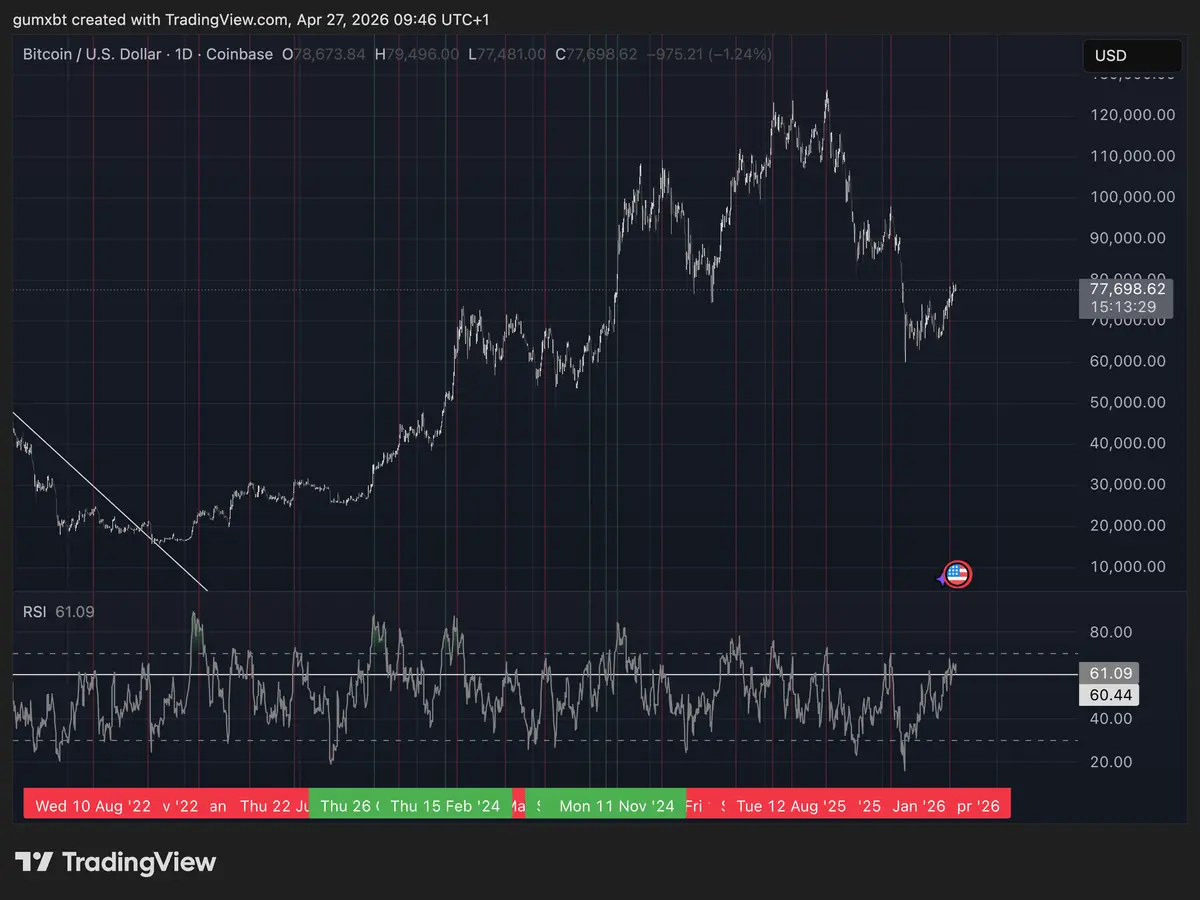
Since July '23, 16 out of 21 times the RSI was above 60, Bitcoin was local topped.
The 5 times it did not mark a local top were during early/mid stages of the bull market (all after the bottom).
BTC-1,8%
post-image
  • Reward
  • Comment
  • Repost
  • Share
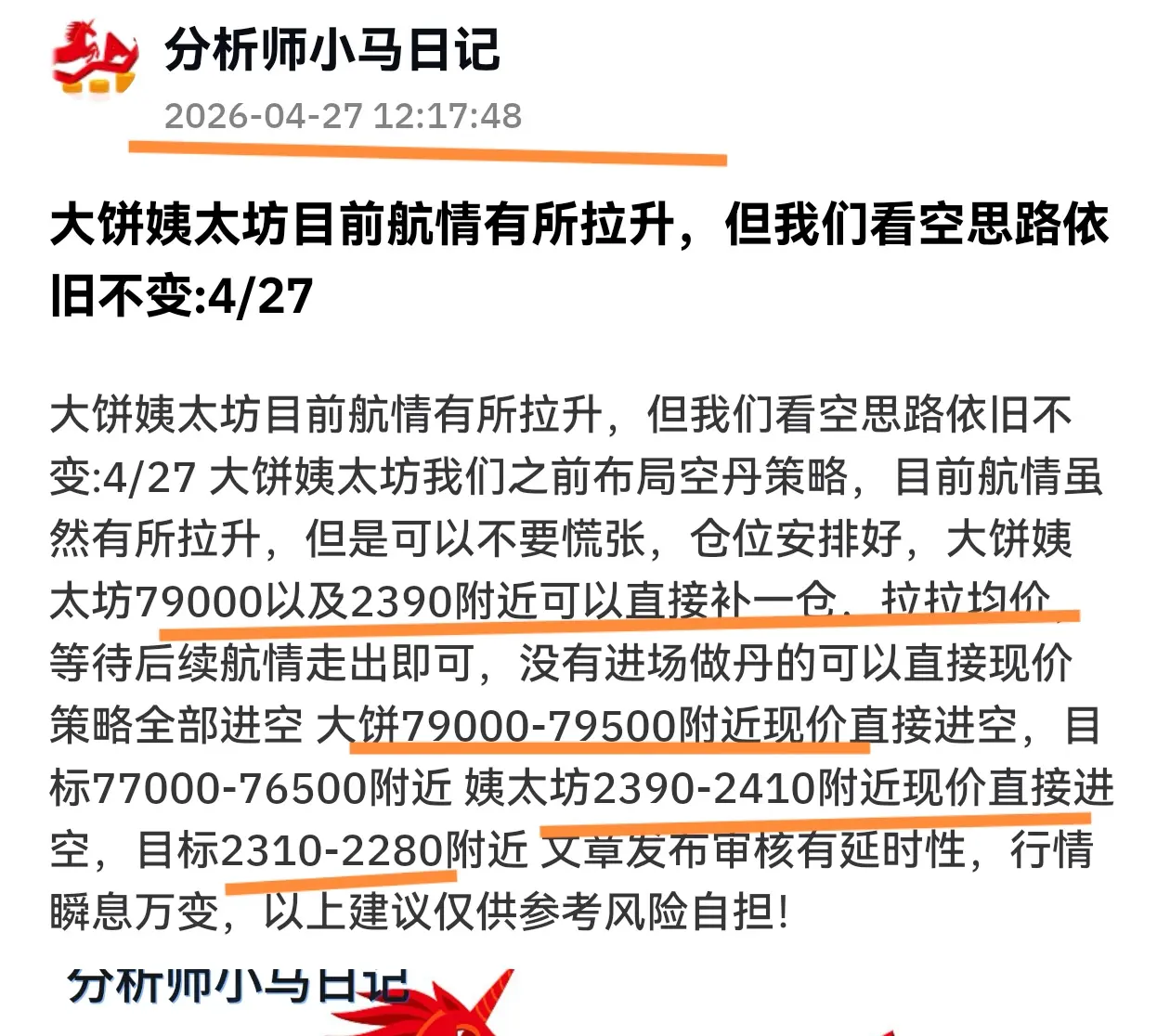
Bitcoin Aunt Ethereum setup shorts once again achieve a great victory and immediately take off: 4/27
We previously arranged short positions on Bitcoin and Ethereum around 78,000 and near 2,330. After a modest rise in the price movement, we followed through and added positions directly with an average price all around 78,500 and near 2,360. At the same time, everyone who hadn’t entered yet was also reminded to enter around 79,000 and near 2,390, as well as around 2,310. When it comes to how much upside space we captured with the Dan operations, we can all see it clearly—so there’s no need to sa
BTC-1,8%
ETH-3,38%
View Original
post-image
  • Reward
  • Comment
  • Repost
  • Share
Digital asset investment products saw inflows of $1.2bn, a fourth consecutive positive week. This likely reflects improving institutional demand against a backdrop of Bitcoin trading at its highest levels since early February👀‍‍‍
#CryptoObservers
BTC-1,8%
post-image
  • Reward
  • Comment
  • Repost
  • Share
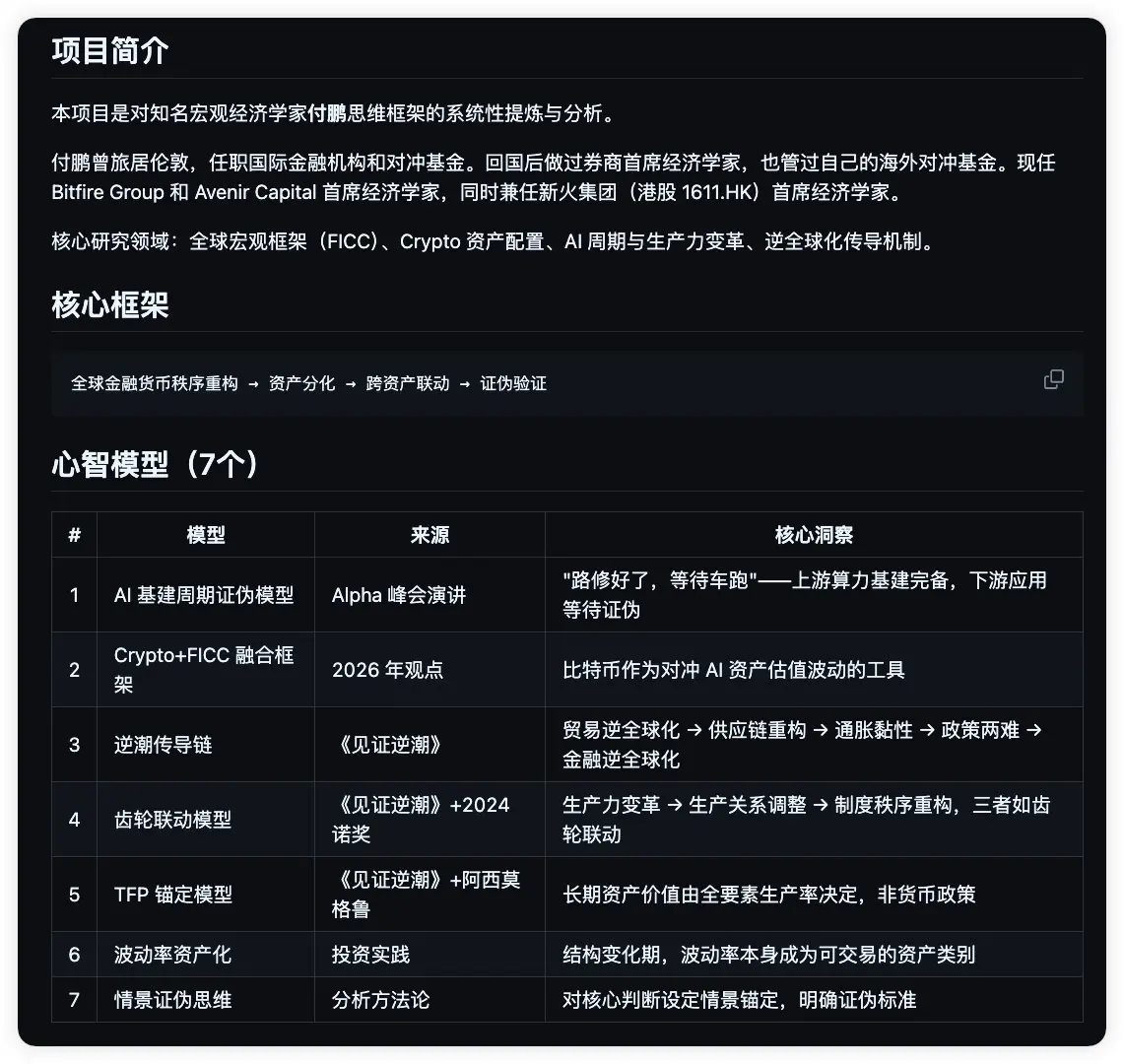
Although Teacher Fu Peng @fupenglondon hasn't blocked me, it doesn't affect my distillation of him. I asked a few questions and found the content to be quite valuable. Maybe old-money investors prefer this style of analyst, which can bring a lot of fresh blood to the crypto world.
Digital clone version of Fu Peng has been open-sourced on Github: lianyanshe-ai
fupeng-perspective
Specific usage: If you are blocked, you can also ask him to apologize 😂, which is probably the most appropriate current usage.
View Original
post-image
  • Reward
  • Comment
  • Repost
  • Share
⚖️ Business shifts to stablecoins
The volume of B2B payments in stablecoins could grow from $13.4 billion in 2026 to $5 trillion by 2035, according to Juniper Research.
📊 According to analysts, by 2035, 85% of all activity with stablecoins will be related to B2B payments.
Companies are switching to blockchain due to speed and low fees — transfers are almost instant and without intermediary banks.
$XRP $USDT $USDC
XRP-2,87%
USDC0,01%
View Original
post-image
  • Reward
  • Comment
  • Repost
  • Share
Load More