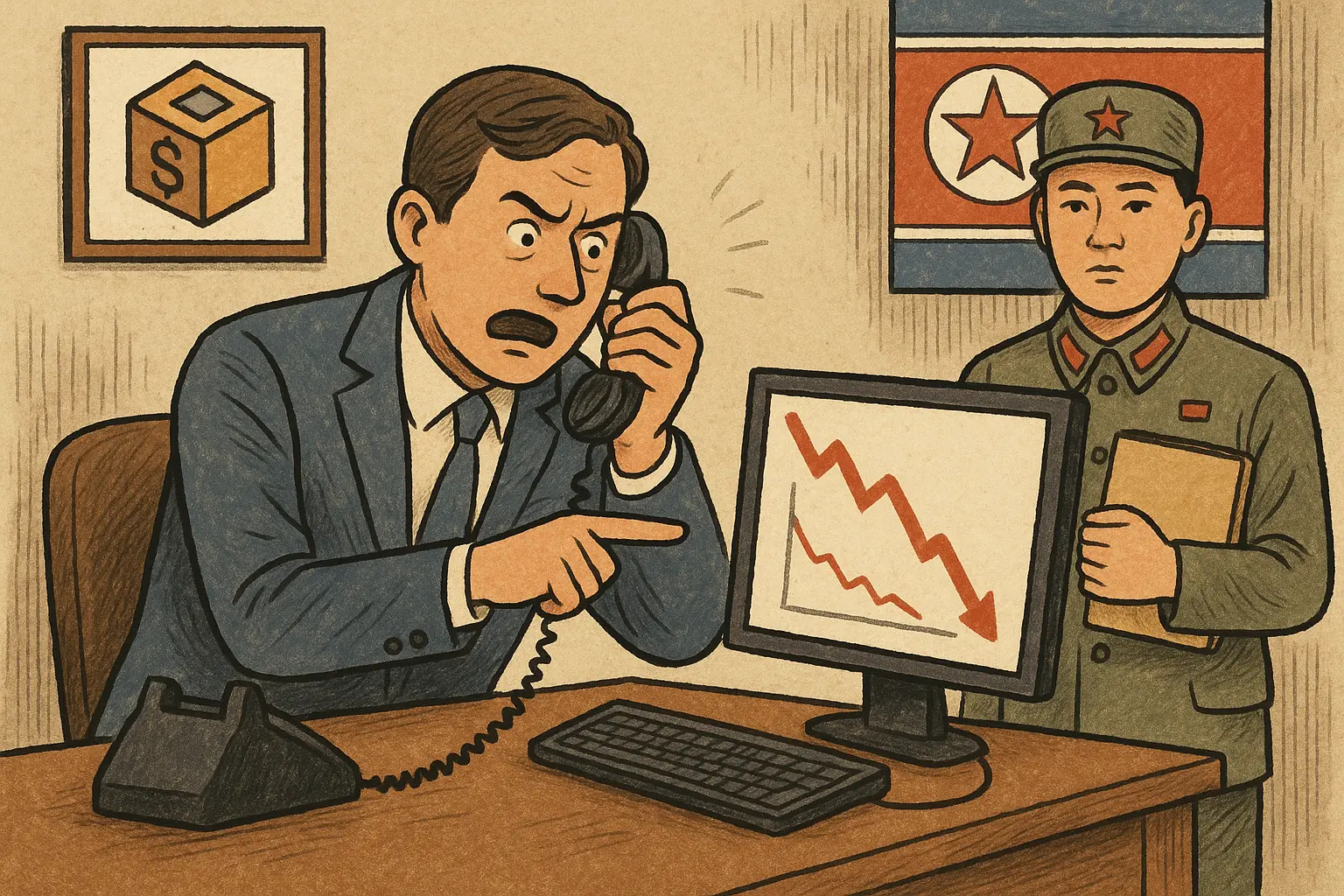
Solana ecosystem decentralized exchange (DEX) Stabble issued an emergency notice on April 8, urging all liquidity providers (LPs) to immediately withdraw funds. The alert was triggered by on-chain investigator ZachXBT, who disclosed that a North Korean developer had been associated with Stabble. Stabble later confirmed that the employee had joined the company about a year ago, but emphasized that it has not found any smart contract vulnerabilities or any loss of funds at this time.
How ZachXBT’s Exposure Triggered a Chain Reaction
On April 8, ZachXBT posted on the X platform, attaching what was purported to be a resume and photo of a North Korean developer, and stating that the person had long worked at the Solana DeFi infrastructure project Elemental. Within a few hours of the post going live, the Stabble team reshared ZachXBT’s disclosures and then issued an emergency announcement on X in an urgent tone: “Emergency situation! Everyone, please temporarily withdraw your liquidity immediately! Beware—slow and steady wins the race.”
In a subsequent statement, Stabble confirmed that the North Korean employee’s connection to the project was indeed true, and admitted, “We seem to have had one employee about a year ago. Stabble’s new team took over this work four weeks ago.”
After multiple users criticized how the incident was handled, Stabble added: “So far, we have found no vulnerabilities. We received the relevant information and are taking action. We are not PR people—we’re quantitative analysts, and we’re also dedicated believers in early DeFi.”
Stabble’s Emergency Response Measures and Follow-Up Plan
Key Event Timeline and Action Summary
ZachXBT Disclosure: April 8—Exposed that a North Korean developer worked at Elemental and was associated with Stabble
Stabble Emergency Announcement: Hours later—Posted an emergency liquidity withdrawal notice on X
Employee Confirmation: Stabble acknowledged that there was a North Korean employee on staff for about a year
New Team Takes Over: The project operations had been taken over by the new team four weeks ago
Security Status: No smart contract vulnerabilities or fund losses have been found so far; the warning is preventative in nature
Follow-Up Measures: Plans to initiate a new round of smart contract audits and restore normal operations once LP funds are confirmed to be safe
The Broader Context of Systematic Infiltration of the Crypto Industry by North Korean IT Workers
The Stabble incident is not an isolated case, but the latest manifestation of the long-term threat of North Korean technical personnel systematically infiltrating the crypto industry. U.S. authorities have previously issued multiple warnings stating that North Korean technical workers use fake identities and credentials to apply for remote technical positions, especially targeting DeFi projects with weaker review mechanisms. By obtaining access to code repositories, they plant a backdoor for potential attacks later on.
Over the weekend, Drift Protocol announced that it suffered a $280 million attack, very likely carried out by the same North Korean hacker organization that implemented the October 2024 Radiant Capital attack. This shows that the connection between North Korea and security threats in the crypto industry continues to deepen.
For LPs in the DeFi ecosystem, this incident reveals another layer of systemic risk beyond smart contract audits: the verification of the actual identities of project developers and supply-chain security, which in decentralized remote work environments often cannot be adequately guaranteed.
Frequently Asked Questions
In this emergency liquidity withdrawal notice from Stabble, is there a real risk of LP funds being lost?
According to Stabble’s public statement, no smart contract vulnerabilities or fund losses have been found at this time, and the emergency warning is purely a preventative measure. However, since a new round of security audits has not yet been completed, LPs still face uncertainty-related risks before the audit results are published.
Who is ZachXBT, and why can his disclosure trigger an immediate reaction in the crypto space?
ZachXBT is a well-known on-chain investigator in the crypto industry who has long tracked abnormal fund movements, security vulnerabilities, and identity fraud incidents. By repeatedly and successfully identifying and warning about high-impact crypto scams and hacking events, he has built extremely high market credibility, so his disclosures typically trigger immediate reactions from project teams and the community within a few hours.
How can crypto projects mitigate the infiltration risk posed by North Korean technical personnel?
According to U.S. authorities’ security recommendations, mitigation measures include: implementing stringent employee identity and background checks (especially for remote technical roles), conducting regular third-party smart contract audits, limiting access permissions to core code repositories, and establishing monitoring mechanisms for abnormal code submissions. The Stabble incident also shows that even if a project replaces its team, the code risks left behind by earlier employees may still require independent verification.
Disclaimer: The information on this page may come from third parties and does not represent the views or opinions of Gate. The content displayed on this page is for reference only and does not constitute any financial, investment, or legal advice. Gate does not guarantee the accuracy or completeness of the information and shall not be liable for any losses arising from the use of this information. Virtual asset investments carry high risks and are subject to significant price volatility. You may lose all of your invested principal. Please fully understand the relevant risks and make prudent decisions based on your own financial situation and risk tolerance. For details, please refer to
Disclaimer.


