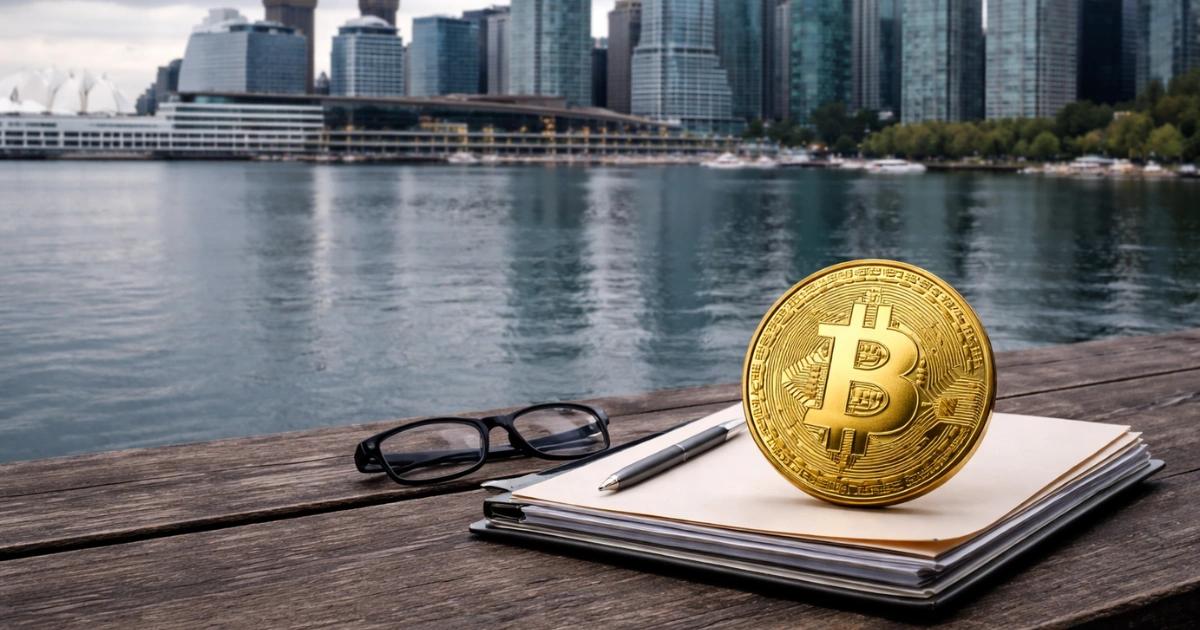
Vancouver Mayor Ken Sim proposed establishing a Bitcoin strategic reserve. The city government assessed that this would violate the Vancouver Charter and recommended withdrawing the proposal and halting further research.
Regarding Mayor Ken Sim’s earlier proposal to set up a “Bitcoin Strategic Reserve,” city officials evaluated and determined that Bitcoin does not fall under the category of assets legally investable by the municipal government. Therefore, they suggested that the city council revoke the related proposal.
This motion, titled “Maintaining City Purchasing Power Through Diversified Financial Reserves: Moving Toward a Bitcoin-Friendly City,” was introduced by Mayor Ken Sim in November 2024. It advocated allocating part of the financial reserves to Bitcoin to counteract traditional currency volatility, devaluation, and inflation pressures, while maintaining financial stability and purchasing power.
In December 2024, the Vancouver City Council voted to approve this motion and instructed city officials to assess the feasibility of establishing a Bitcoin reserve, requesting a related research report by the first quarter of 2025. However, the assessment results were only publicly disclosed this week.
In the report, city officials stated: “According to the Vancouver Charter, Bitcoin is not classified as a legally investable asset type for the city government. Therefore, we recommend terminating related research and subsequent work.”
In addition to legal issues, city officials also cited the need to “reallocate internal human resources” and “align with other municipal priority projects” as reasons for withdrawing the proposal.
In fact, early in the policy discussion, the British Columbia Ministry of Municipal Affairs explicitly stated that local governments, including Vancouver, are legally prohibited from including cryptocurrencies in their financial reserves due to concerns over facing “unnecessary risks.”
However, the authorities’ concerns are not unfounded. Since late 2024, Bitcoin’s price has experienced rollercoaster-like fluctuations, initially surpassing a record high of $126,000, then halving within four months to around $63,000.
- This article is reprinted with permission from: BlockTalk
- Original title: “Vancouver Bitcoin Reserve Dream Shattered! City Officials ‘Reason’ Suggests Recalling Proposal”
- Original author: Block Sister MEL
Disclaimer: The information on this page may come from third parties and does not represent the views or opinions of Gate. The content displayed on this page is for reference only and does not constitute any financial, investment, or legal advice. Gate does not guarantee the accuracy or completeness of the information and shall not be liable for any losses arising from the use of this information. Virtual asset investments carry high risks and are subject to significant price volatility. You may lose all of your invested principal. Please fully understand the relevant risks and make prudent decisions based on your own financial situation and risk tolerance. For details, please refer to
Disclaimer.


