


Futures
Access hundreds of perpetual contracts
TradFi
Gold
One platform for global traditional assets
Options
Hot
Trade European-style vanilla options
Unified Account
Maximize your capital efficiency
Demo Trading
Introduction to Futures Trading
Learn the basics of futures trading
Futures Events
Join events to earn rewards
Demo Trading
Use virtual funds to practice risk-free trading
Launch
CandyDrop
Collect candies to earn airdrops
Launchpool
Quick staking, earn potential new tokens
HODLer Airdrop
Hold GT and get massive airdrops for free
Launchpad
Be early to the next big token project
Alpha Points
Trade on-chain assets and earn airdrops
Futures Points
Earn futures points and claim airdrop rewards


More






Michael Saylor _s Bitcoin Community Amid Rising Tide of Deepfake Scams
Sujha Sundararajan
Last updated:
January 15, 2024 22:18 EST | 1 min read
Disclosure: Crypto is a high-risk asset class. This article is provided for informational purposes and does not constitute investment advice. By using this website, you agree to our terms and conditions. We may utilise affiliate links within our content, and receive commission.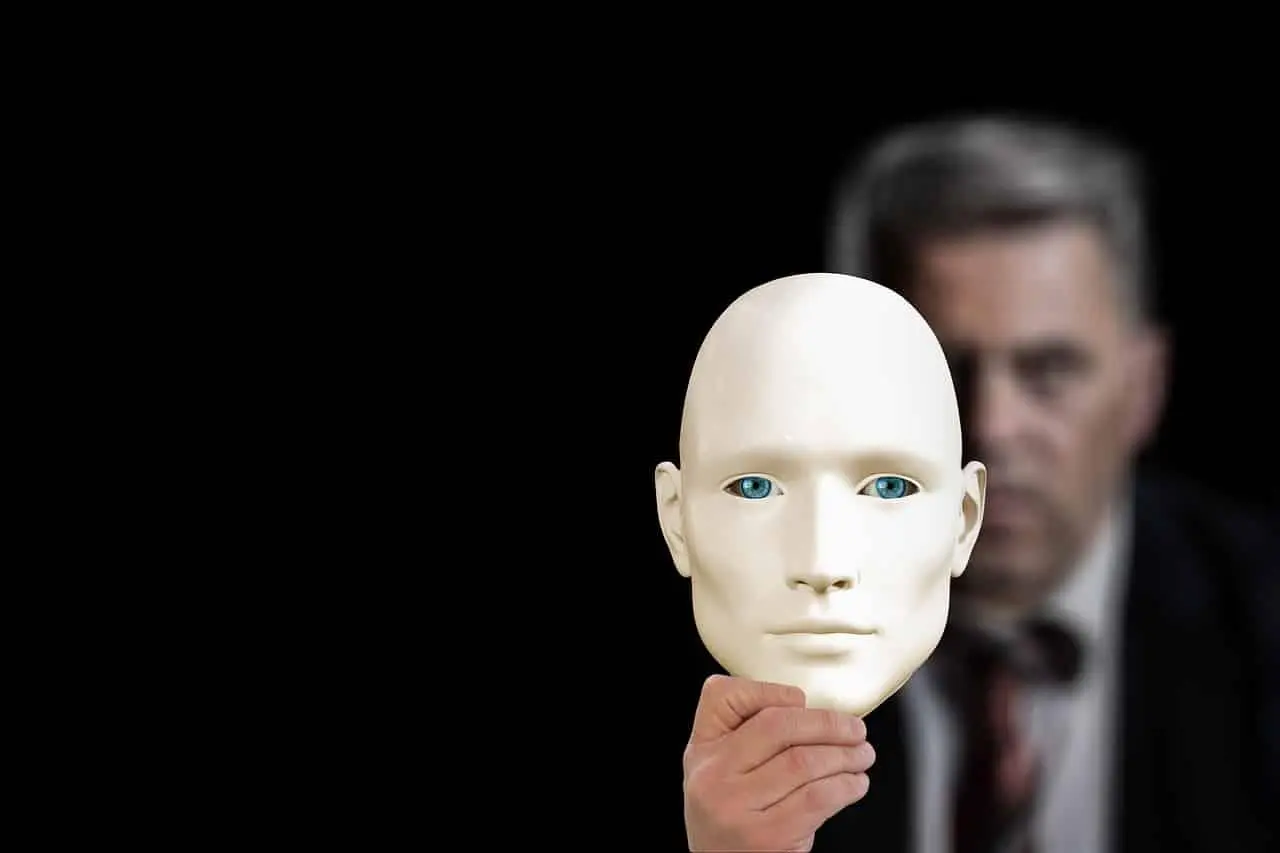 Source: PixabayMicroStrategy founder and tech titan Michael Saylor has issued a warning about the influx of AI-generated deepfake scams in the Bitcoin community.
The alarm follows several reports last week flagging fake AI-generated videos of Saylor reportedly promising to “double people’s money instantly.” The fake ad ed customers to scan a QR code to send Bitcoin (BTC) to the perpetrator’s address.
One user posted on X (formerly Twitter), that Michael Saylor’s deepfake video popped up on YouTube (again).
In response, Saylor wrote on Sunday, that “there is no risk-free way to double your Bitcoin.”
“MicroStrategy doesn’t give away BTC to those who scan a barcode,” he stressed.
Further, he revealed that his security team takes down 80 deepfake videos per day, on average, that depicts Saylor’s fake crypto promises.
Saylor’s scam videos followed a suite of convincing-looking deepfake video trend in the recent past. In November 2023, fake videos of Ripple and its chief Brad Garlinhouse surfaced with fake XRP giveaways. Similarly, Cardano co-founder Charles Hoskinson fell victim to deepfake in December, which followed an immediate warning from him on the increasing sophistication of these fake videos.
The rapidly evolving AI technology masks a grim reality – security and privacy concerns. A UCL report said that experts have ranked manipulated video/audio as the most worrying use of artificial intelligence in terms of its applications for crime.
Matt Groh, a research assistant with the Affective Computing Group at the MIT Media Lab, said that people can defend themselves against falling victim to deepfakes, by using their own intellect. “You have to be a little skeptical, you have to double-check and be thoughtful,” Groh said.