


Futures
Access hundreds of perpetual contracts
TradFi
Gold
One platform for global traditional assets
Options
Hot
Trade European-style vanilla options
Unified Account
Maximize your capital efficiency
Demo Trading
Introduction to Futures Trading
Learn the basics of futures trading
Futures Events
Join events to earn rewards
Demo Trading
Use virtual funds to practice risk-free trading
Launch
CandyDrop
Collect candies to earn airdrops
Launchpool
Quick staking, earn potential new tokens
HODLer Airdrop
Hold GT and get massive airdrops for free
Launchpad
Be early to the next big token project
Alpha Points
Trade on-chain assets and earn airdrops
Futures Points
Earn futures points and claim airdrop rewards


More





Public-Private Partnerships Necessary in Investigating Crypto Crimes: Former IRS Agent and Lead Investigator at Merkle Science
Disclosure: Crypto is a high-risk asset class. This article is provided for informational purposes and does not constitute investment advice. By using this website, you agree to our terms and conditions. We may utilise affiliate links within our content, and receive commission.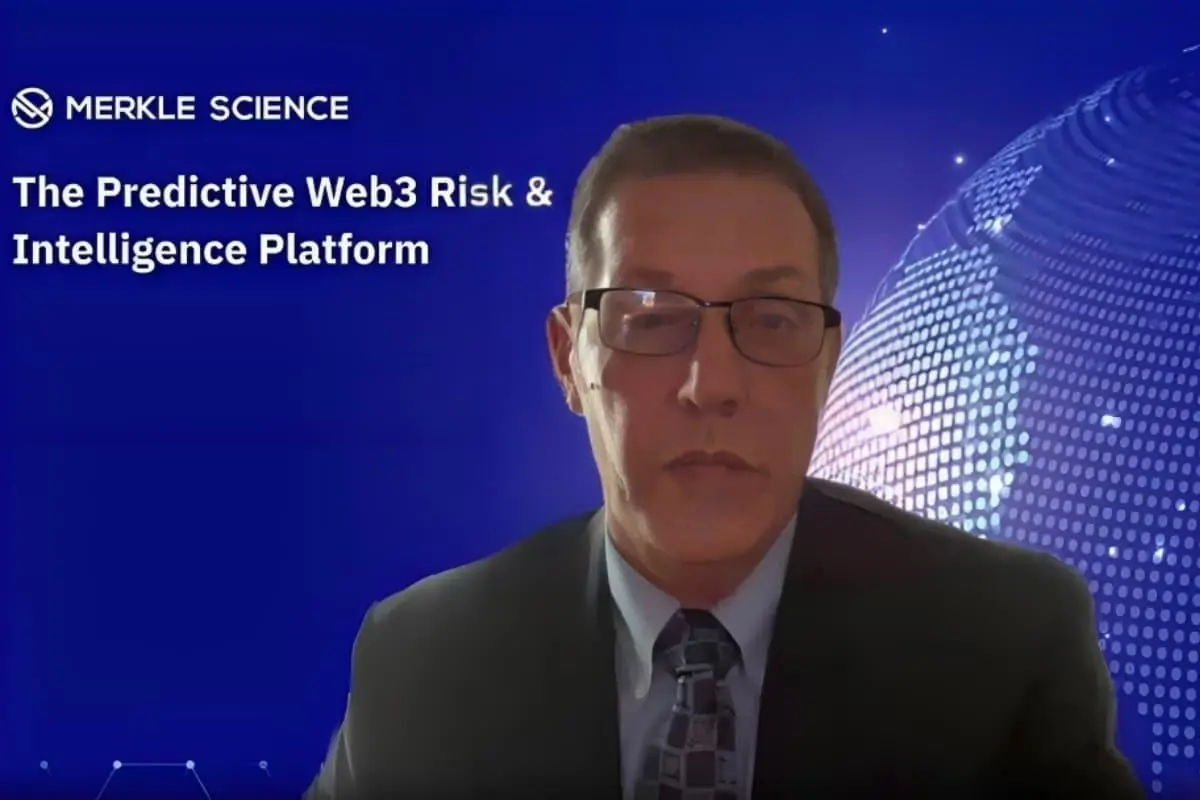 Richard Reinhardt. Image: LinkedIn / Merkle ScienceIn an exclusive interview with CryptoNews, former IRS agent Richard Reinhardt, now serving as the lead investigator at Merkle Science, talked about growing challenges in investigating crypto-related crimes and the need for public-private partnerships.
With over two decades of experience in investigating money laundering cases at IRS, Reinhardt, shed light on the challenges faced by investigators, the evolving nature of crypto-related frauds, and the crucial need for public-private partnerships to combat illicit activities in the decentralized world. Highlighting the innovative tactics used by criminals, he emphasized the necessity for investigators to stay ahead in the game.
Reinhardt shared his experiences from the early days of crypto investigations, tracing the shift from traditional money laundering to the rise of crypto-related scams. He also headed the investigation into one of the biggest crypto ponzi schemes – OneCoin. Additionally, he also investigated the first ever NFT rug pull and several other crypto-related crimes.
Peer-to-Peer Transactions and Regulatory Gaps
Discussing the global scenario, Reinhardt draws attention to the challenges faced by law enforcement agencies globally. He elaborated on the surge in peer-to-peer transactions and the regulatory gaps that allow these activities to thrive. He also touched upon the difficulties in enforcing regulations on peer-to-peer exchanges and the covert techniques employed to identify and penetrate illicit actors. Talking about investigating P2P related scams, Rich said:
With insights gained from investigating a range of crypto frauds, including peer-to-peer money laundering, NFT frauds, and pump-and-dump schemes, Reinhardt talked about the intricacies of tracking transactions on the blockchain.
He discussed the limitations faced by law enforcement and the increasing reliance on companies like Merkle Science for their expertise in tracing crypto transactions.
Reinhardt also highlighted the use of privacy-centric coins like Monero and the challenges they pose to investigators. He sheds light on the decentralized finance (DeFi) space, identifying it as the current hotspot for criminal activities due to the complexities involved in tracing transactions.
Talking about the difference between crypto money laundering and traditional money laundering, the former IRS agent said:
Future of Crypto Crimes and Need for Public-Private Partnerships
Reinhardt further emphasized the need for collaborative efforts between law enforcement agencies and private blockchain analytics firms. He discussed the role of companies like Merkle Science in providing essential tools and expertise to investigators, bridging the gap between the ever-expanding crypto industry and regulatory bodies. Richard concluded: