


Futures
Access hundreds of perpetual contracts
TradFi
Gold
One platform for global traditional assets
Options
Hot
Trade European-style vanilla options
Unified Account
Maximize your capital efficiency
Demo Trading
Introduction to Futures Trading
Learn the basics of futures trading
Futures Events
Join events to earn rewards
Demo Trading
Use virtual funds to practice risk-free trading
Launch
CandyDrop
Collect candies to earn airdrops
Launchpool
Quick staking, earn potential new tokens
HODLer Airdrop
Hold GT and get massive airdrops for free
Launchpad
Be early to the next big token project
Alpha Points
Trade on-chain assets and earn airdrops
Futures Points
Earn futures points and claim airdrop rewards


More






South Korean Regulator Rules NFTs Are Not Subject to Crypto Law
Disclosure: Crypto is a high-risk asset class. This article is provided for informational purposes and does not constitute investment advice. By using this website, you agree to our terms and conditions. We may utilise affiliate links within our content, and receive commission.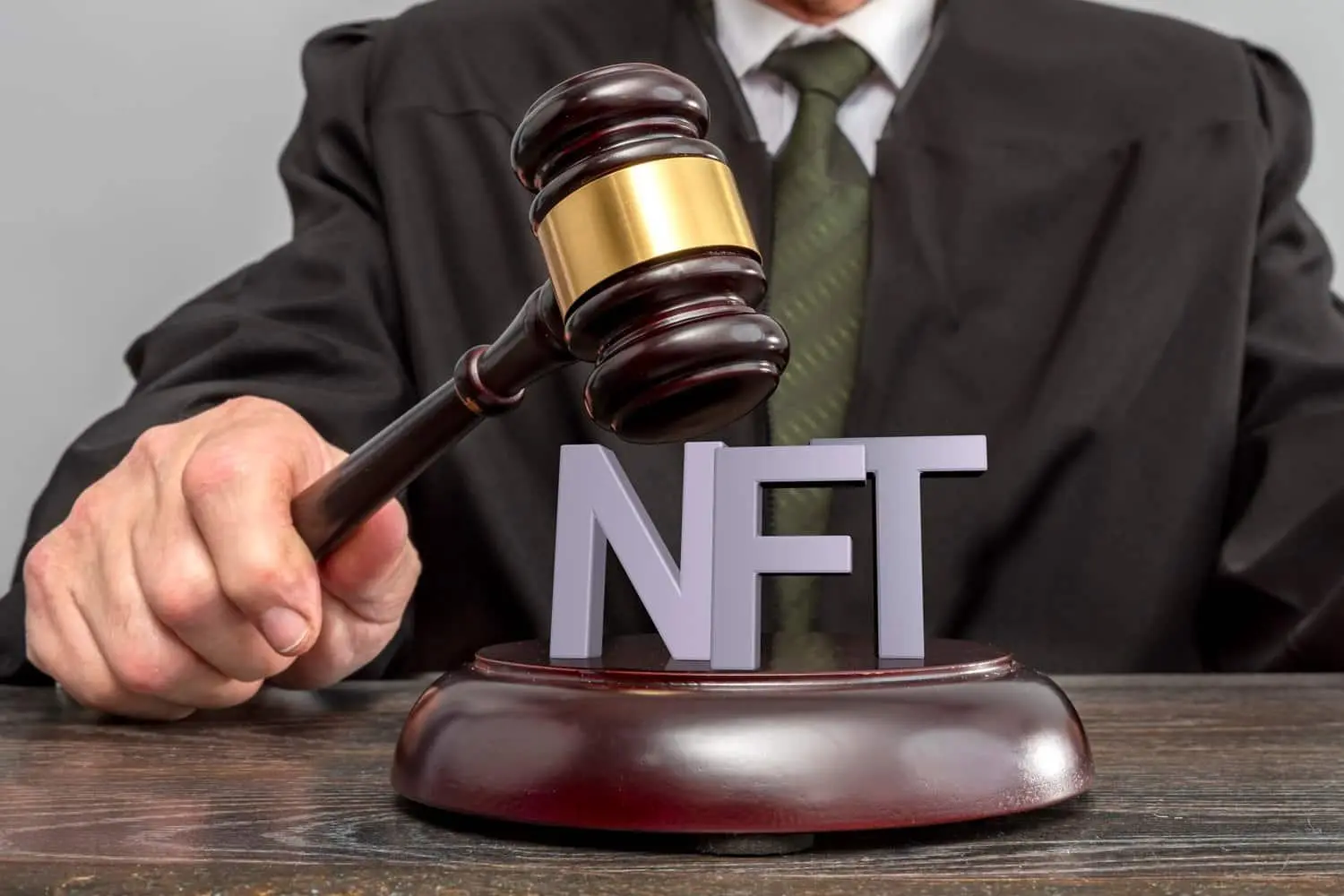 Source: TSViPhoto/AdobeSouth Korean financial regulators have said NFTs are not subject to the same rules as cryptoassets, a ruling that may buoy token issuers and blockchain gaming firms.
Per News1, the Financial Services Commission (FSC), the nation’s top regulator, stated that “following CBDCs,” NFTs will also be “excluded from” its “lists of virtual assets.”
The FSC has previously created separate regulations for CBDCs. Lawmakers have also created legislation that distinguishes digital fiat from tokens like Bitcoin (BTC).
The Virtual Asset User Protection Act defines cryptoassets as “electronic tokens that have economic value and can be traded or transferred electronically.”
Some claimed that this phrasing does not make it clear if NFTs can legally be considered as cryptoassets.
In the past, gaming regulators refused to issue licenses to video games that make use of NFTs.
Critics claim this has effectively blocked the progress of blockchain gaming in the nation.
However, the FSC claimed that as NFTs are “unique and irreplaceable,” they pose a “limited” risk to the financial .
The regulator ruled that most NFTS are “mainly traded for collection purposes,” as opposed to crypto – which it feels is mainly used as a speculative tool.
NFTs Not Subject to South Korean Crypto Law – But There Are Exceptions
Despite the statement, not all NFT issuers will be covered by the new ruling. The regulator added several caveats to its ruling.
It explained that some NFTs could still be considered to be “virtual assets” in certain conditions.
Namely, these include NFTs that are “issued in large quantities like typical virtual assets and traded in a fungible manner.”
NFTs that can “be used as a means of payment for specific goods or services” will also be classified as cryptoassets.
Additionally, the FSC has also ruled that banks that hold crypto exchange users’ fiat must pay interest on deposits.
Previously, the Virtual Asset User Protection Act required virtual asset business operators to separate users’ deposits from their own assets and use custodial services.
But the new decree requires exchanges to use banks as custodians. And it dictates that banks must pay interest on fiat holdings.
The FSC further told crypto business operators they “must store more than 80% of their assets in cold wallets.”