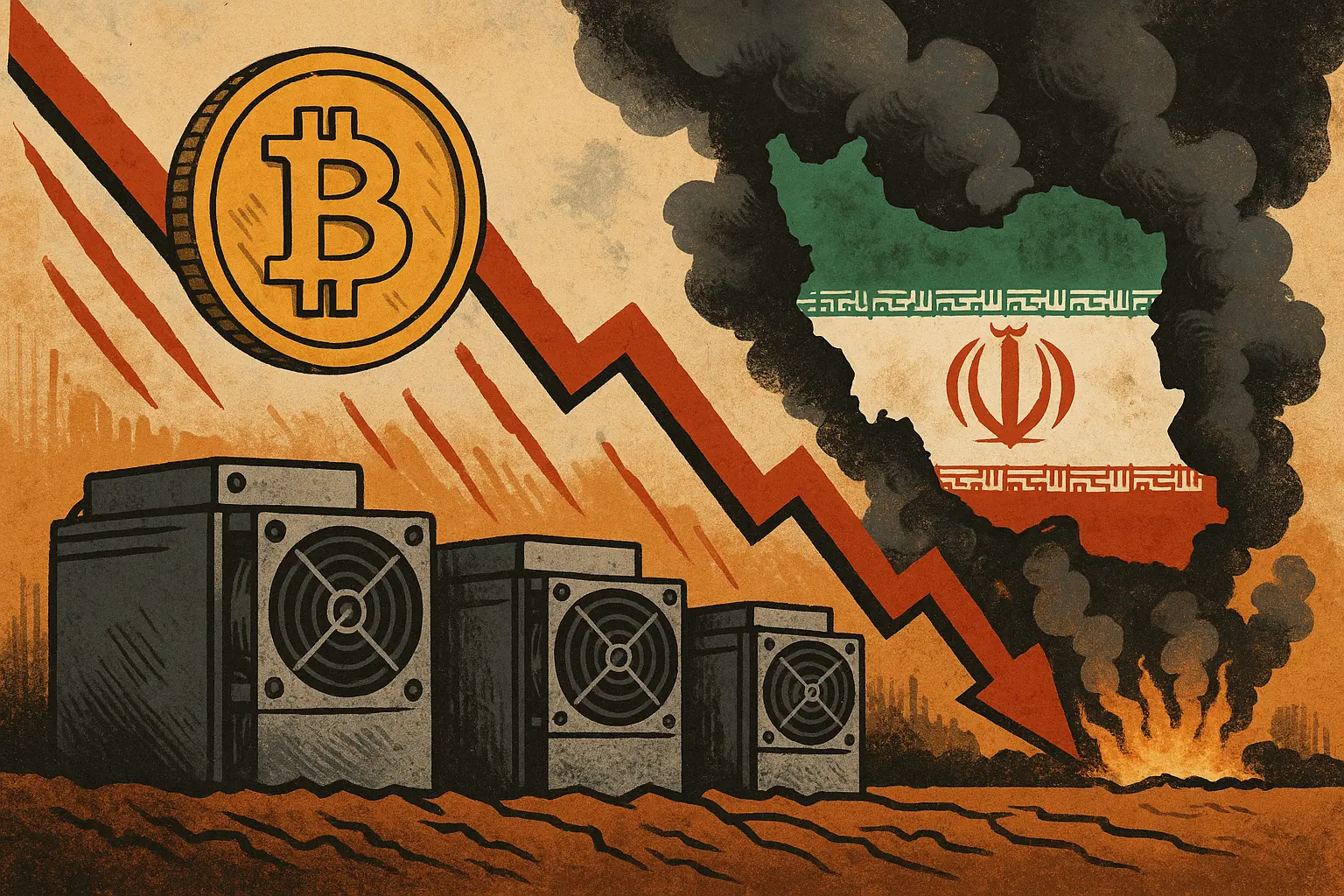
The total Bitcoin network hash rate dropped to approximately 920 EH/s this week, representing an 8% decrease from the previous week. It is expected that around March 20th, a difficulty adjustment of about -8% will be triggered. If this forecast proves accurate, it will be the second largest difficulty adjustment in nearly five years. Meanwhile, conflicts in Iran have driven Brent crude oil prices up by about 61% for the month, and the hash rate price fell to a record low of $27.89 per TH/s per day on February 24th, sharply worsening the profitability environment for miners.
Current Hash Rate: 252 EH Offline or Restricted
In early March, the active network hash rate was about 1,040 EH/s, while industry estimates suggest that the installed capacity of ASIC miners has reached 1,292 EH. The discrepancy indicates that approximately 252 EH of mining equipment is offline or restricted. Compared to the network peak of around 1,100 EH in October 2025, the current hash rate has decreased by about 16% to 20%.
Bitcoin’s current trading price is below $72,000, down about 5% from Monday’s high, and significantly below the $90,000 level expected by the end of 2025. The compression of miner revenues continues to deepen. In February, difficulty first dropped 11.16% on the 7th, then increased 14.73% on the 19th, indicating that hash rate volatility has become the norm.
Energy Impact: Iran Crisis Drives Oil Prices Higher, Miners’ Revenues Hit Record Lows
On March 18th, Brent crude oil was priced at $108.78 per barrel, up $5.80 for the day, a roughly 61% increase from last month. The main drivers are ongoing tensions in Iran and concerns over supply through the Strait of Hormuz.
Hash rate prices (daily revenue per unit of hash rate) have been directly impacted: the February average was only $32.31 per TH/s per day, down 17.9% from the previous month, reaching a record low of $27.89 per TH/s per day on February 24th. The network’s average electricity cost is about $50 per MWh.
Luxor Technology’s analysis indicates that the impact of rising oil prices on miners is more due to “revenue reduction” rather than “increased electricity costs,” as most global hash rate sources have relatively limited correlation with crude oil prices.
Major Miners’ Response Strategies: Selling Bitcoin and Accelerating AI Hash Power Transition
Faced with continuously shrinking profit margins, leading publicly traded miners have adopted a clear common strategy—selling Bitcoin and investing in AI hash power infrastructure:
- Core Scientific: Bitcoin holdings reduced from 2,537 to about 630 BTC; secured a $500 million loan to expand AI and high-performance computing (HPC).
- Bitdeer: Bitcoin reserves decreased from 2,470 BTC to zero; raised $325 million for AI hash power projects.
- Bitfarms: Bitcoin holdings decreased from 3,301 BTC to 1,827 BTC.
- MARA Holdings: Holds 53,822 BTC (maintaining high holdings) and is expanding its AI data center business.
This trend reflects the industry’s shift from a “HODL” model toward “AI hash power infrastructure,” seeking new revenue streams amid Bitcoin’s profit compression.
Frequently Asked Questions
Q: Why has Bitcoin’s hash rate decreased significantly recently?
The core reason is the decline in miners’ profitability: Bitcoin prices are far below their 2025 peak, and hash rate prices hit a record low in February. The Iran crisis has driven oil prices higher, increasing energy market uncertainty, prompting more miners to shut down equipment or reduce mining operations.
Q: How will the difficulty adjustment around March 20th affect miners?
An approximately 8% difficulty reduction will be the second-largest adjustment in five years, meaning that miners with the same hash rate will have a higher relative probability of block rewards after the adjustment. This can help improve the earnings of operational miners and provide some buffer for miners surviving the market squeeze.
Q: Why are major miners selling large amounts of Bitcoin and shifting toward AI hash power?
Under the dual pressures of record-low hash rate prices and declining Bitcoin prices, traditional mining profitability has shrunk significantly. AI hash power infrastructure offers a more stable revenue model and is less sensitive to Bitcoin market volatility, making it an important alternative income source during the industry’s transition.
Disclaimer: The information on this page may come from third parties and does not represent the views or opinions of Gate. The content displayed on this page is for reference only and does not constitute any financial, investment, or legal advice. Gate does not guarantee the accuracy or completeness of the information and shall not be liable for any losses arising from the use of this information. Virtual asset investments carry high risks and are subject to significant price volatility. You may lose all of your invested principal. Please fully understand the relevant risks and make prudent decisions based on your own financial situation and risk tolerance. For details, please refer to
Disclaimer.


