What is an investment portfolio?
What Is an Investment Portfolio?
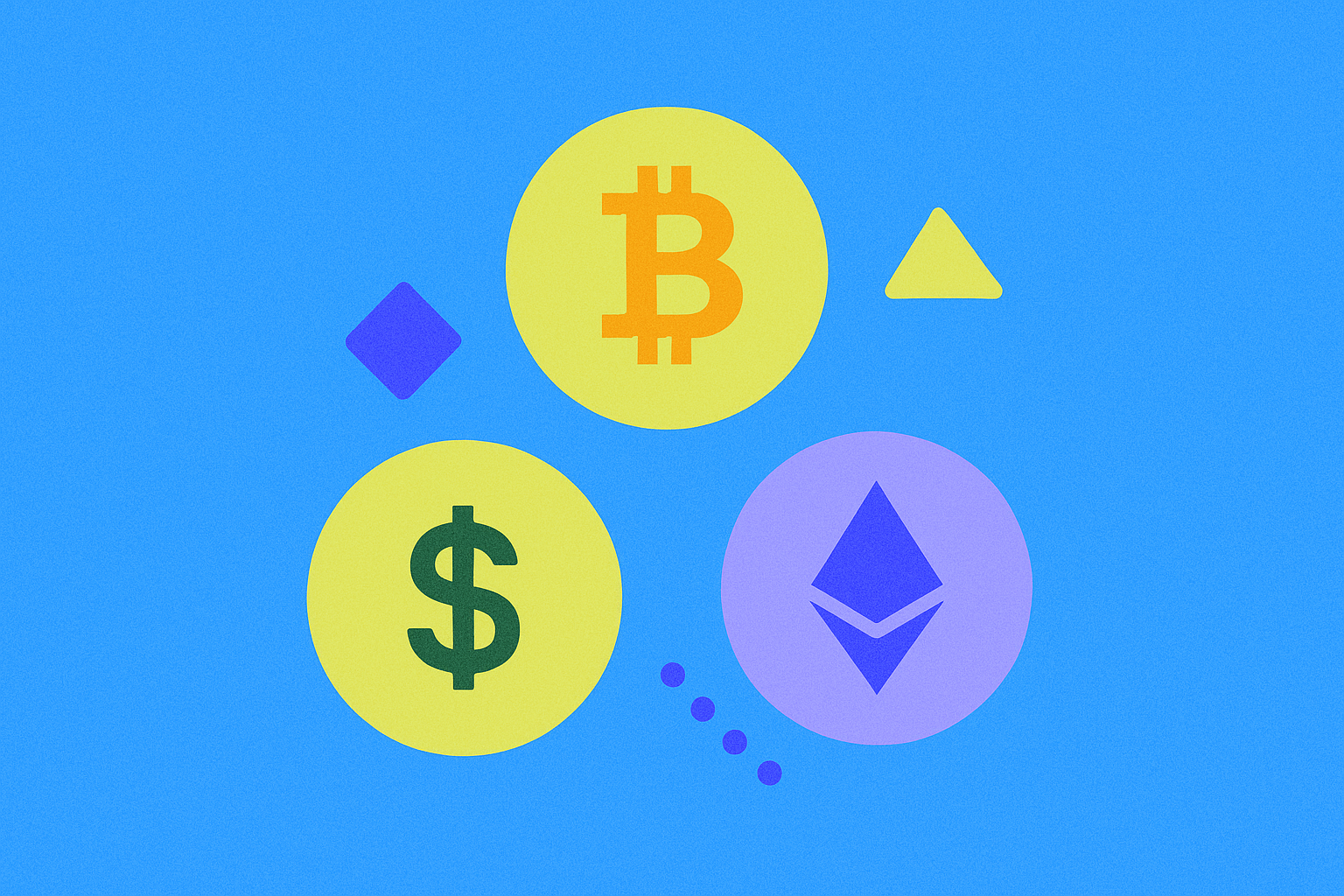
An investment portfolio is a diversified allocation of capital across multiple asset classes, designed to manage risk and volatility from a holistic perspective, rather than relying on a single asset. This is often compared to the idea of “not putting all your eggs in one basket,” but with an added emphasis on ensuring those baskets don’t all fall at the same time.
In the crypto space, a typical portfolio may include: relatively stable assets like Bitcoin and Ethereum, yield-generating stablecoin products, and a smaller allocation to higher-risk tokens seeking growth. Portfolio construction is not just about adding assets together—it’s about allocating based on target returns and acceptable drawdown (the maximum decline from peak to trough), and maintaining structure through ongoing rebalancing (realigning allocations back to targets when they drift).
Why Are Investment Portfolios Important?
The key value of an investment portfolio lies in using diversification and allocation strategies to smooth out volatility and reduce exposure to single-asset risk. According to public data, Bitcoin’s drawdown in 2022 exceeded 70% from its peak; holding a portion of stablecoins and yield products could have significantly lessened the impact compared to holding only one asset.
Portfolios also make goals more actionable. For example, if you aim for steady growth over three years with a maximum drawdown of 30%, you would include low-volatility assets (like stablecoin yield products) and set up periodic rebalancing to bring positions back to target after price movements. This systematic approach helps avoid emotional trading decisions: during market surges or crashes, the portfolio structure provides objective guidelines for reducing or increasing positions.
How Are Crypto Investment Portfolios Categorized and Constructed?
Crypto portfolios often classify assets into several layers:
- Core Layer: Highly liquid and established assets like Bitcoin and Ethereum form the foundation.
- Growth Layer: Mainstream layer-1 ecosystems, DeFi leaders, and infrastructure tokens with higher risk and potential reward.
- Satellite Layer: Small-cap or emerging theme tokens with minor allocations aimed at capturing outsized returns.
- Defensive Layer: Stablecoins and yield products (such as flexible/fixed income offerings from platforms), which provide a buffer and liquidity for the portfolio.
The key consideration is “correlation”—how much assets move together. High correlation reduces diversification benefits; allocating some capital to low-correlation assets (such as stablecoin yields) can more effectively reduce overall portfolio volatility.
How to Implement Asset Allocation in a Portfolio?
Implementation begins with your objectives and risk tolerance, which inform allocation ratios and execution.
First, define your goals and constraints—e.g., annualized target returns of 8%–15%, maximum drawdown no more than 30%, over a three-year horizon.
Next, set example allocations: “60% core (BTC/ETH), 25% growth, 15% defensive (stablecoin yields).” These are starting points tailored to your goals and psychological comfort.
Then, choose specific assets and tools: prioritize highly liquid, transparent assets for the core; select low-risk yield products for the defensive layer (be mindful of platform and counterparty risks); cap position sizes in growth/satellite layers to avoid concentration in small-cap assets.
Finally, determine buying and maintenance strategies: use dollar-cost averaging (DCA) to spread entry points, avoiding lump-sum purchases; set up quarterly or semiannual reviews and rebalancing.
Example: For a $10,000 portfolio allocated 60/25/15, invest $6,000 (in tranches) into BTC/ETH for the core, $2,500 into 2–4 growth sectors, $1,500 in stablecoins and yield products for defense. Periodically rebalance to bring allocations back to target ranges.
How Is Portfolio Risk Measured?
Portfolio risk can be evaluated using several intuitive indicators:
- Volatility: Measures average price fluctuation intensity—the higher it is, the greater the short-term swings. In crypto, double-digit daily moves are not uncommon as of H1 2024.
- Maximum Drawdown: The largest drop from a peak to a trough. For instance, if your balance rises from $10k to $12k and falls back to $8k, the drawdown is (8–12)/12 ≈ –33%. This highlights the toughest periods.
- Correlation: The degree to which assets move together. Highly correlated holdings can all decline simultaneously in downturns.
- Liquidity: How quickly assets can be traded at fair prices. Low-liquidity assets can suffer large slippage or rebalancing issues in volatile markets.
- Leverage & Counterparty Risk: Using leveraged ETFs or derivatives amplifies volatility; yield products carry risks from platforms, borrowers, and smart contracts.
By monitoring these metrics, you can assess if your portfolio matches your intended targets and risk parameters—and adjust allocations accordingly.
How to Manage and Track Portfolios on Gate?
Gate offers various tools for managing and tracking crypto portfolios—understanding their features and risks is essential.
- Custom Lists & Grouping: Segment your holdings into “core/growth/defensive” groups for easier monitoring of weights and performance.
- DCA Tools: Automate regular purchases over time to mitigate timing risk.
- Grid Trading: Use grid strategies within price ranges to capture volatility for selected positions—but note that grids don’t guarantee profits and should match asset volatility profiles.
- Earn Products: Use stablecoins in flexible or fixed-term earn products for defensive allocations—always consider platform, counterparty, and product-specific risks.
- Risk Controls: Use leverage and derivatives cautiously; avoid treating short-term tools as long-term holdings.
A simple DCA setup might involve:
First, selecting your target asset and purchase frequency (e.g., weekly/monthly).
Next, setting per-period amounts and maximum slippage parameters.
Then, monitoring execution to avoid oversized orders during extreme volatility.
Finally, combine DCA with regular rebalancing for dynamic adjustment of allocations.
How Often Should Portfolios Be Rebalanced?
There’s no single standard for portfolio rebalancing. Common approaches are time-based (e.g., every quarter or half-year) or threshold-based (e.g., if any asset drifts ±5% or ±10% from its target weight). The goal is not to chase gains or cut losses reactively but to restore allocations within preset ranges.
Step 1: Set target weights and acceptable bands—for example, BTC/ETH combined at 60%, with a ±5% tolerance.
Step 2: Periodically check current weights and calculate deviations.
Step 3: If allocations move outside ranges, sell overweighted positions and buy underweighted ones; if selling isn’t convenient, use new capital to “top up.”
Step 4: Record changes in weights and fees before/after adjustments; review if thresholds or frequency need optimization.
Tip: Frequent rebalancing can raise fees and tax costs (jurisdiction-dependent), while too little may let risks drift unchecked. The key is finding a balance that suits your goals.
How Do Portfolios Compare to Single-Asset Holdings?
The primary difference is “volatility and drawdown management.” In bull markets, concentrating on one strong asset may yield higher short-term gains but also greater drawdowns; in sideways or bear markets, portfolios with defensive layers and low-correlation assets can substantially reduce swings and improve holding stability.
The trade-off: portfolios may lag top-performing assets during extreme rallies but provide a smoother path with more controlled drawdowns—improving the odds of achieving long-term goals. Which approach suits you depends on your objectives, timeframe, and risk tolerance.
Common Portfolio Pitfalls
- Overdiversification: Holding too many similar assets dilutes effectiveness as high correlations persist—and adds complexity/cost.
- Excessive Trading: Turning your portfolio into a short-term trading desk erodes returns through fees/slippage and heightens emotional decision-making.
- Ignoring Correlations: Focusing only on asset count without considering relationships means everything may still fall together in downturns.
- Overlooking Fees & Constraints: Neglecting transaction fees, withdrawal limits, or product lock-ups can hinder timely rebalancing.
- Assuming Stablecoins Are Risk-Free: Stablecoins may face depegging or counterparty risks; yield products have platform/contractual risks.
- Long-Term Leverage Holding: Leveraged ETFs suffer from “volatility decay”—long-term holding may underperform underlying assets.
Key Takeaways on Crypto Portfolios
Building an effective investment portfolio means using “diversification + allocation + maintenance” to manage returns and risk: anchor allocations to your objectives/risk tolerance with core/growth/defensive layers; use DCA and rebalancing to sustain ratios; measure volatility, drawdown, and correlation to stay on track. On platforms like Gate, leverage custom lists, DCA tools, grid strategies, and earn products—but always pay close attention to leverage use, counterparty risk, and product terms. In crypto’s highly volatile environment, establishing and sticking to your own systematic portfolio approach is more important than short-term market timing.
FAQ
How Should Beginners Build Their First Portfolio?
Start by clarifying your investment objectives and risk appetite—whether you’re aggressive or conservative. Begin with assets you understand best; allocate among 3–5 tokens to avoid overdiversification. After opening an account with a reputable platform like Gate, test different allocations with small amounts of capital—adjust gradually until you find your optimal balance.
What Is a Reasonable Allocation Ratio in a Crypto Portfolio?
Reasonable allocation follows the risk-return matching principle. Conservative investors might use 70% stable assets + 30% growth assets; aggressive investors can reverse that ratio. Adjust according to market cycles and personal finances. A common approach is the “age rule”: Risky asset % ≈ 100 – age (so at age 40, up to 60% in risky assets). Regular reviews and dynamic adjustments are essential.
Which Token Combinations Work Best in Crypto Portfolios?
The best combinations minimize correlation. A typical allocation is BTC or ETH as the core (50–60%), plus lower-correlation L2 projects, DeFi tokens, and stablecoins each at 10–15%. This way when BTC is volatile, other assets might stay steady—reducing overall portfolio swings. Tailor choices based on market trends and your research strengths.
How Should You Respond When Your Portfolio Suffers Losses?
First distinguish between normal drawdowns and systemic risks. If one asset underperforms, consider cutting losses or adding exposure; if everything falls together, check if you’ve strayed from your intended allocation. Avoid panic selling or buying bottoms—consider DCA strategies for gradual re-entry at lower levels. Remember: the essence of portfolio management is long-term balance; short-term volatility is part of the process.
What Operational Details Matter When Managing Multi-Asset Portfolios on Gate?
Key points when managing on Gate include: keep spot and leveraged accounts separate for different strategies; set price alerts for timely market updates; regularly export trading records for cost tracking and tax reporting. Most importantly—secure your API keys and account access; enable two-factor authentication (2FA) plus whitelist withdrawal addresses for double protection.
Related Articles

Gate Research: 2024 Cryptocurrency Market Review and 2025 Trend Forecast

Altseason 2025: Narrative Rotation and Capital Restructuring in an Atypical Bull Market