As decentralized finance, or DeFi, continues to evolve, stablecoins have gradually shifted from simple value-pegging tools into core infrastructure within on-chain financial systems. Traditional stablecoins such as USDT or DAI are primarily used for settlement and value storage, but they typically do not generate native yield. As a result, users must participate in lending or liquidity mining to earn returns.
Against this backdrop, yield-bearing stablecoins have emerged as a new direction. Unitas is one of the representative protocols in this category. By introducing a Delta Neutral strategy into stablecoin design, it allows assets to generate continuous yield while maintaining relative price stability. This model represents a broader shift, where stablecoins evolve from passive assets into active, yield-generating instruments.
What Is Unitas (UNITAS)?
As a decentralized yield-bearing stablecoin protocol, Unitas is designed to generate returns for stablecoin holders through on-chain strategies. Its core architecture revolves around two assets, USDu and sUSDu. Through a dedicated strategy execution layer, funds are deployed into market-neutral structures to produce yield.
At its core, Unitas is not simply issuing a stablecoin. It builds a combined system of “stablecoin plus yield engine,” allowing users to earn returns while holding stable assets and participate in on-chain yield distribution.
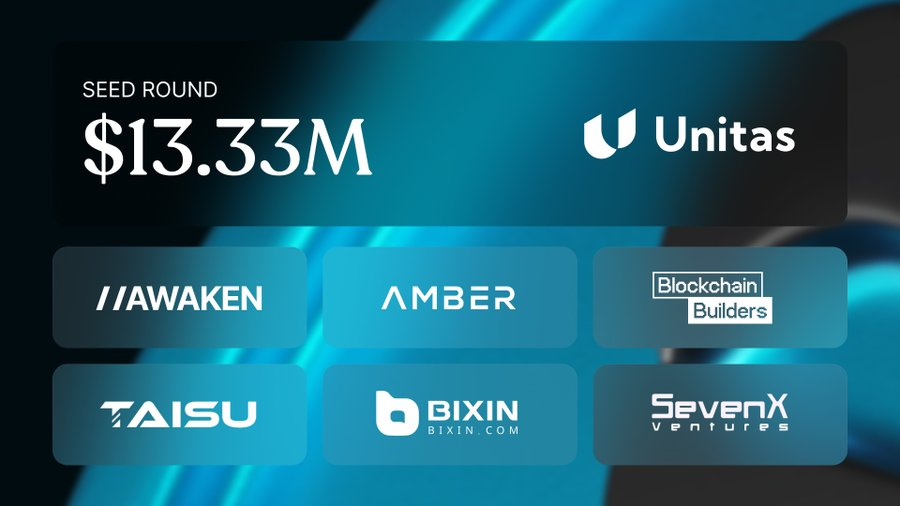
In March 2026, the Unitas Labs team announced the completion of a $13.33 million seed funding round, with participation from Awaken Finance, Amber Group, BB Fund, Taisu Ventures, Bixin Ventures, and SevenX Ventures.
Core Assets of Unitas: USDu and sUSDu
The Unitas system consists of two primary assets, USDu and sUSDu, each serving distinct roles.
USDu is the base stablecoin, used for circulation, trading, and value storage. Its design aims to maintain a stable relationship with the US dollar. Users can mint USDu by depositing assets into the protocol, thereby entering the system.
sUSDu, on the other hand, is a yield-bearing asset that represents a user’s share of accumulated returns. By converting USDu into sUSDu, users can participate in yield distribution. Its value typically increases over time as strategy-generated returns accumulate.
This dual-asset structure allows Unitas to separate liquidity and yield functions, effectively balancing stability with profitability.
How Does Unitas Work? Architecture and Yield Mechanism
The operational flow of Unitas can be summarized as: mint → deploy → hedge → generate yield → distribute.
Users begin by depositing assets to mint USDu. These assets are then deployed into the strategy layer, which relies on liquidity pools, such as JLP, and derivatives-based hedging structures. Through a Delta Neutral strategy, the protocol reduces exposure to price volatility.
Yield is primarily generated from trading fees, liquidity provision rewards, and funding rates in the market. These returns are aggregated at the protocol level and ultimately distributed to sUSDu holders.
Unlike traditional stablecoins that depend on reserves or collateral, Unitas derives its yield from active strategy execution rather than static asset backing.
Tokenomics: Distribution and Utility of UNITAS (UP)
UNITAS (UP) serves as the core incentive and governance token of the protocol. Rather than directly anchoring the value of the stablecoin, it supports the system through incentive alignment, ecosystem expansion, and potential value capture.
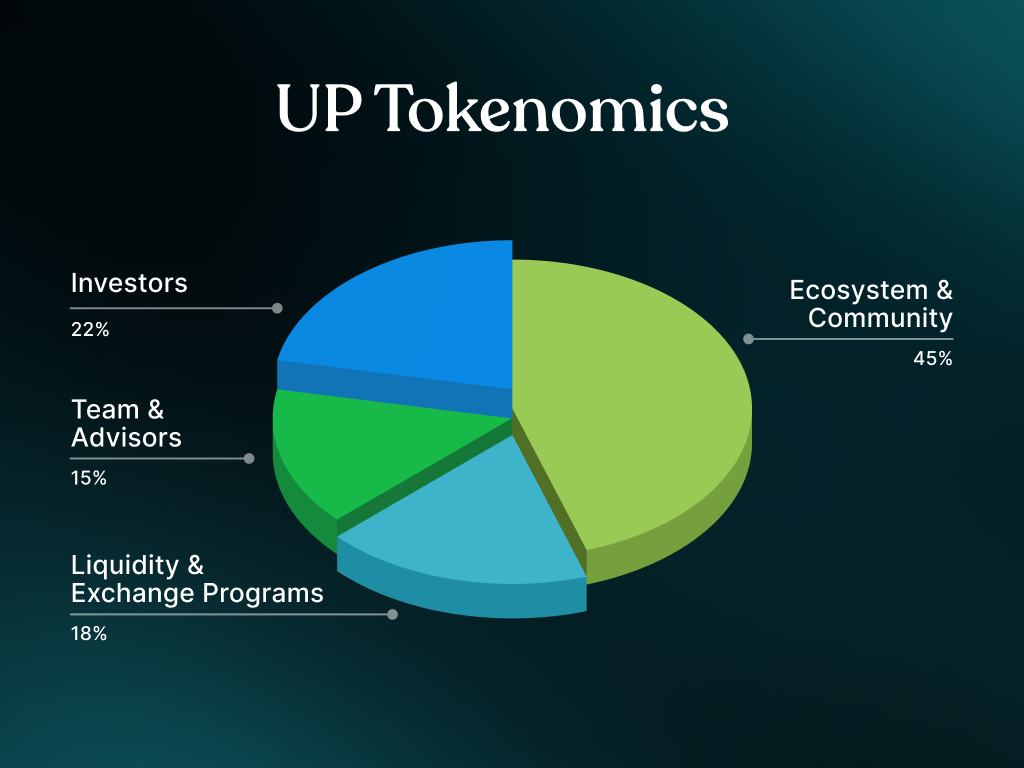
Unlike USDu and sUSDu, which operate at the asset layer, UNITAS functions at the protocol layer. It connects user behavior, liquidity growth, and long-term protocol development, while offering exposure to the upside of ecosystem expansion.
Use Cases and Ecosystem Applications
Unitas is primarily applied in capital management and yield optimization within the DeFi ecosystem.
USDu can function as a base stable asset for trading and payments, while also serving as an entry point into yield generation. Meanwhile, sUSDu can be held for long-term yield accumulation or used as collateral in other DeFi protocols.
Additionally, Unitas can act as an on-chain cash management tool, allowing users to earn yield while maintaining stability. This makes it useful for liquidity management, asset allocation, and portfolio strategies.
Unitas vs Ethena: Key Differences
Both Unitas and Ethena are yield-bearing stablecoin protocols, and they are often compared. However, their underlying mechanisms differ significantly.
Unitas relies more on liquidity pools and structured strategies, generating yield through capital deployment and hedging. Ethena, by contrast, builds its hedge using spot assets and short positions in perpetual futures, with yield primarily coming from funding rates and staking rewards.
In essence, Unitas resembles a “strategy-packaged yield protocol,” while Ethena is closer to a “synthetic dollar plus derivatives hedging model.” Their differences span asset structure, yield sources, and risk profiles.
Advantages and Potential Risks of Unitas
The primary advantage of Unitas lies in its ability to generate yield while maintaining stability, improving capital efficiency for stablecoins. Its strategy-based design also enables diversified sources of income rather than relying on a single mechanism.
However, risks remain. Delta Neutral strategies are not entirely risk-free and may be affected during extreme market volatility or hedging inefficiencies. Additionally, liquidity pools and derivatives markets introduce their own layers of risk.
As a result, Unitas’ performance depends heavily on strategy execution and market conditions, reflecting an inherent tradeoff between stability and yield.
Conclusion
By integrating a Delta Neutral strategy into stablecoin design, Unitas introduces a new type of asset that combines stability with yield generation. Its dual-asset system, built around USDu and sUSDu, separates liquidity from yield while relying on a strategy layer to produce returns.
This model represents a broader evolution of stablecoins, shifting from passive stores of value to active, yield-generating assets, and offers meaningful experimentation within the DeFi ecosystem.
FAQs
What is the difference between Unitas and traditional stablecoins?
Unitas generates yield through active strategies, whereas traditional stablecoins are primarily used for value pegging and do not offer native yield.
How does USDu maintain stability?
Its stability relies on asset backing combined with strategic structuring, rather than a single reserve mechanism.
Where does sUSDu’s yield come from?
It mainly comes from trading fees, liquidity rewards, and funding rates within Delta Neutral strategies.
Is Unitas completely risk-free?
No. While its strategies aim to reduce risk, it is still exposed to market volatility and liquidity conditions.
What is the key difference between Unitas and Ethena?
Unitas relies on liquidity pool strategies, whereas Ethena depends on spot assets combined with perpetual futures hedging.