As artificial intelligence continues to evolve, its applications are shifting from single-purpose tools to systems capable of ongoing interaction. In traditional internet environments, chatbots typically focus on real-time responses. In the Web3 ecosystem, however, AI is increasingly integrated with identity systems and incentive mechanisms, creating more complex interaction models.
Within this trend, Pandu Pandas’ AI Companion is seen as a key example of AI combined with crypto at the application layer. By introducing memory mechanisms and on-chain identity, the system enables AI to “remember” users and continuously refine the interaction experience. This approach not only expands how AI can be used, but also reflects a broader shift in Web3 from transaction-driven design to user experience–focused systems.
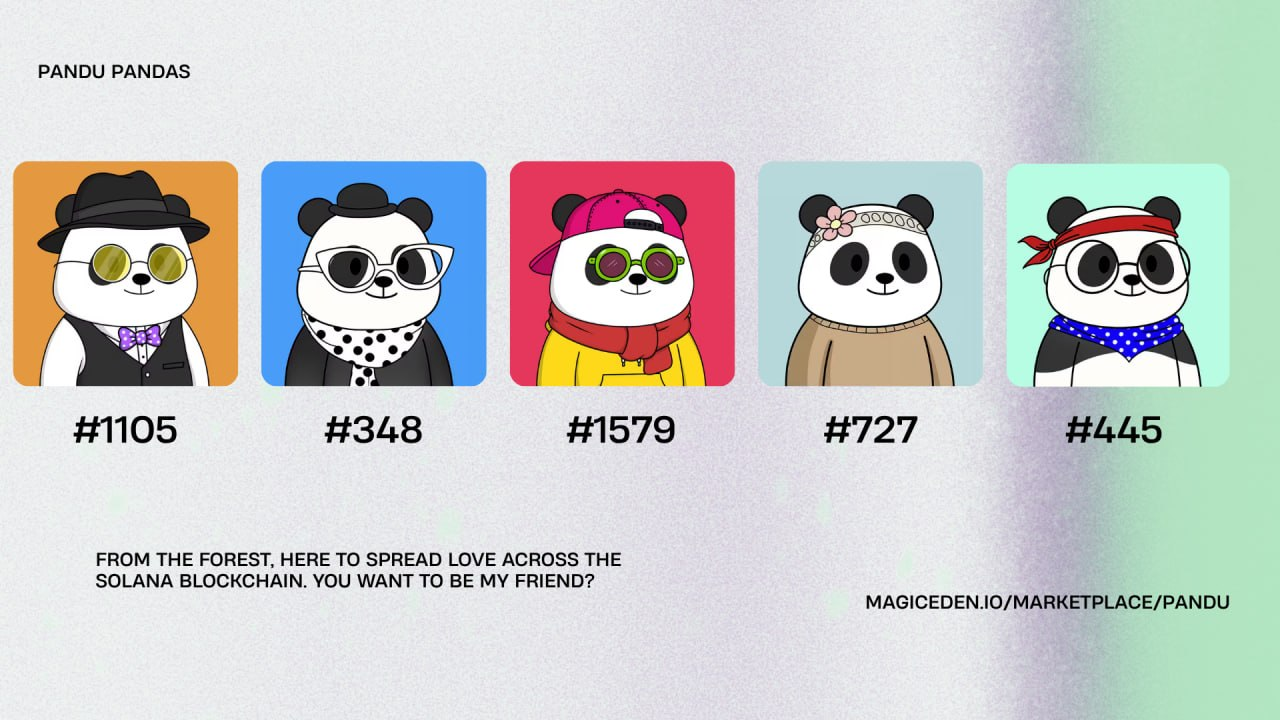
Core Concept of Pandu Pandas AI Companion
AI Companion is the central feature of Pandu Pandas, designed to create a system capable of sustained interaction. Users can communicate with the AI through text or voice, and the system generates responses based on both context and historical data.
Unlike traditional AI tools, AI Companion emphasizes a sense of “relationship.” It does not only process current input, but gradually builds an understanding of the user across multiple interactions, making conversations more coherent over time. This design brings AI closer to a digital companion rather than a simple question-and-answer tool.
Overview of the Pandu Pandas AI Companion System Architecture
The AI Companion operates on a multi-layered system architecture, which can be divided into three main layers: the interaction layer, the processing layer, and the data layer.
The interaction layer handles user input and output. The processing layer, powered by language models, is responsible for understanding semantics and generating responses. The data layer records user behavior and conversation history. Together, these layers allow the system to respond in real time while continuously learning from past interactions.
In addition, the system typically adopts a modular design. Different functions, such as voice processing, text generation, and content creation, are implemented as independent modules, improving both scalability and flexibility.
Breaking Down the User Interaction Flow: How Does a Conversation Happen?
When a user engages with the AI Companion, the system goes through several steps. First, the user submits input, which is preprocessed through semantic analysis and intent recognition.
Next, the system retrieves historical data to construct a contextual environment, combining the current input with previous conversations. The language model then generates a response, which is delivered through text or voice.
After the interaction ends, the system extracts key data, such as user interests or expression patterns, and stores it in the memory system. This process allows future interactions to better align with user expectations, creating a continuously improving experience.
Understanding the Memory System: How Does AI Companion “Remember” Users?
The memory system is a core component of AI Companion. Its role is to convert user behavior into reusable data, enabling the AI to build an understanding of the user over time.
Memory is typically divided into short-term and long-term forms. Short-term memory maintains coherence within a single conversation, while long-term memory records user preferences, interests, and behavioral patterns. These data points are later retrieved to influence how the AI responds.
For example, if the system detects a user’s preference for a certain topic, it may prioritize related content in future interactions. This memory-driven adjustment makes the experience more personalized.
On-Chain Identity and NFTs: How AI Companion Connects to Assets
In Pandu Pandas, users typically establish their identity through a wallet address. This identity can be linked to NFTs or other on-chain assets, forming a unified user profile.
Within this system, NFTs are not just assets. They can also define permissions or unlock features. For instance, different NFT holders may gain access to different AI capabilities or interaction experiences. This design connects AI Companion directly to the blockchain ecosystem.
The introduction of on-chain identity also means that user data can be associated with asset ownership, which may enhance user control over their data to some extent.
Personalization Mechanism: From Data to “Personality”
As interactions increase, AI Companion gradually accumulates user data and adjusts its responses accordingly. This process can be understood as personalized modeling.
By analyzing language habits, preferences, and interaction frequency, the system generates responses that better match the user’s style. Over time, these adjustments may resemble distinct “personality” traits, such as a more expressive tone or a specific communication style.
This dynamically formed personality ensures that each user experiences a unique version of the AI, enhancing the sense of individuality in interactions.
Key Differences Between Pandu Pandas and Traditional AI Chatbots
Pandu Pandas’ AI Companion differs from traditional chatbots across several dimensions:
| Dimension |
Traditional AI Chatbot |
Pandu AI Companion |
| Function |
Tool-based Q&A |
Interaction and companionship |
| Memory |
Limited to current context |
Supports long-term memory |
| User Relationship |
One-time use |
Continuous interaction |
| Identity System |
None |
Wallet and NFT |
| Incentives |
None |
Token + NFT |
These differences highlight the evolution of AI applications from informational tools to relationship-driven systems.
Potential Limitations and Challenges
While AI Companion introduces a new interaction model, it still faces several challenges. First, AI models may struggle with complex contexts, which can affect interaction quality. Second, memory systems involve storing and using user data, raising concerns around privacy and data protection.
Additionally, whether users are willing to engage with AI over the long term depends on both experience quality and practical value. Without sustained appeal, user activity may decline. For Web3 applications, the need for wallets and on-chain interactions can also create usability barriers.
Conclusion
Pandu Pandas’ AI Companion integrates conversational models, memory systems, and on-chain identity to create an AI application capable of continuous interaction. Its core innovation lies in transforming user engagement from a one-time action into an ongoing relationship, enhancing the overall experience.
This mechanism reflects both the evolution of AI technology and the shift in Web3 from transaction-driven models to user experience–focused design. Within the AI and crypto space, AI Companion represents a direction centered on interaction and engagement.
FAQs
What is the difference between Pandu Pandas’ AI Companion and a traditional chatbot?
AI Companion supports long-term memory and personalized interaction, while traditional chatbots mainly handle real-time conversations.
Does AI Companion record user data?
The system typically records certain interaction data to improve future experiences.
What role do NFTs play in AI Companion?
NFTs can serve as identity markers and unlock specific features.
Is AI Companion considered an AI agent?
There is some overlap, but AI Companion places greater emphasis on interaction and companionship.
Do users need a wallet to access full functionality?
Some features may depend on on-chain identity, though basic interactions may not fully require it.
What are the main use cases of AI Companion?
They include AI companionship, content generation, and social interaction.