As multi-chain ecosystems evolve, Bitcoin and Ethereum have emerged as the two most vital on-chain asset networks. BTC, with the highest market capitalization among crypto assets, serves as a massive store of value, while ETH is the foundational asset powering the Decentralized Finance (DeFi) ecosystem. However, since these assets reside on separate blockchain networks and cannot be directly exchanged, cross-chain swaps have become an essential requirement for DeFi infrastructure.
Traditionally, users looking to convert BTC to ETH must rely on centralized exchanges or use a Bridge to transform BTC into wrapped assets like WBTC before participating in on-chain trading. This process is not only cumbersome but also introduces additional custody and bridging risks.
THORChain’s Role in Cross-Chain Swaps
THORChain is one of the few decentralized liquidity protocols supporting native asset cross-chain swaps. It enables users to directly swap BTC for ETH without the need for wrapped assets or intermediary centralized platforms, establishing THORChain as a key pillar of cross-chain liquidity infrastructure.
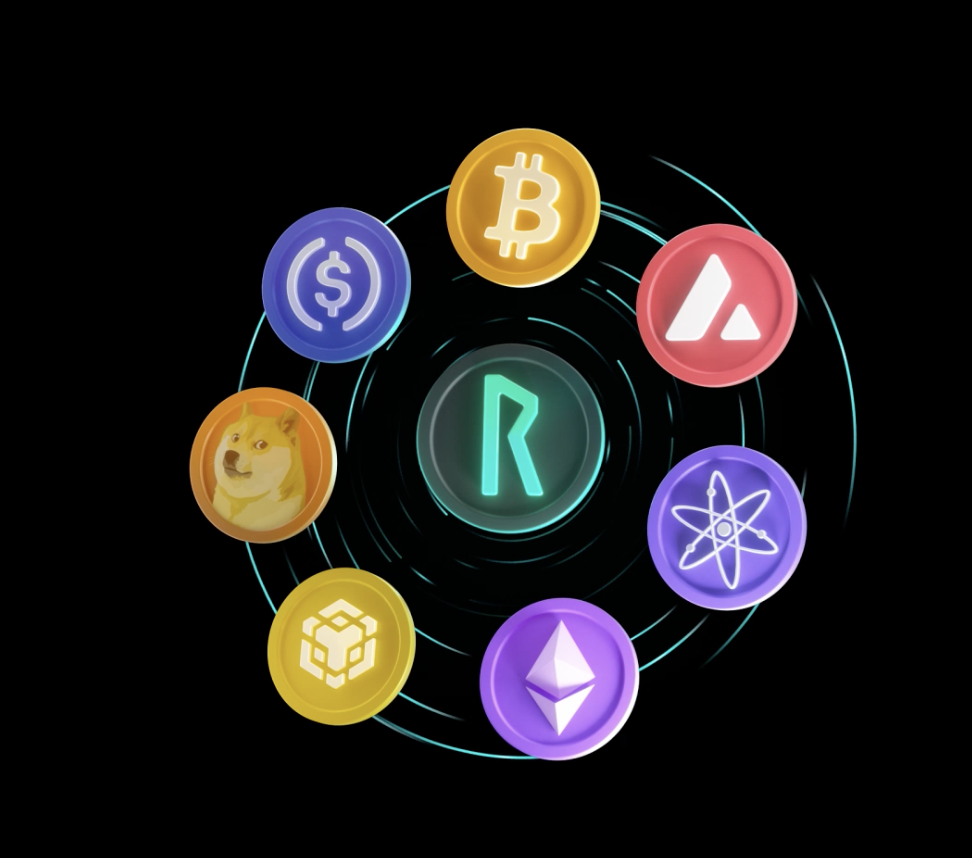
While most protocols in the cross-chain DeFi space focus on asset transfers, THORChain’s core value lies in facilitating direct swaps between native assets. By building cross-chain liquidity pools and a decentralized node network, THORChain delivers a more efficient solution for asset movement across different blockchains.
How Does THORChain Facilitate BTC–ETH Cross-Chain Swaps?
THORChain’s primary mechanism for BTC–ETH cross-chain swaps leverages RUNE as an intermediary settlement asset, using a dual-pool swap model to execute cross-chain trades. When a user wants to exchange BTC for ETH, the system doesn’t perform a direct BTC/ETH swap. Instead, it utilizes BTC/RUNE and ETH/RUNE liquidity pools to complete the transaction.
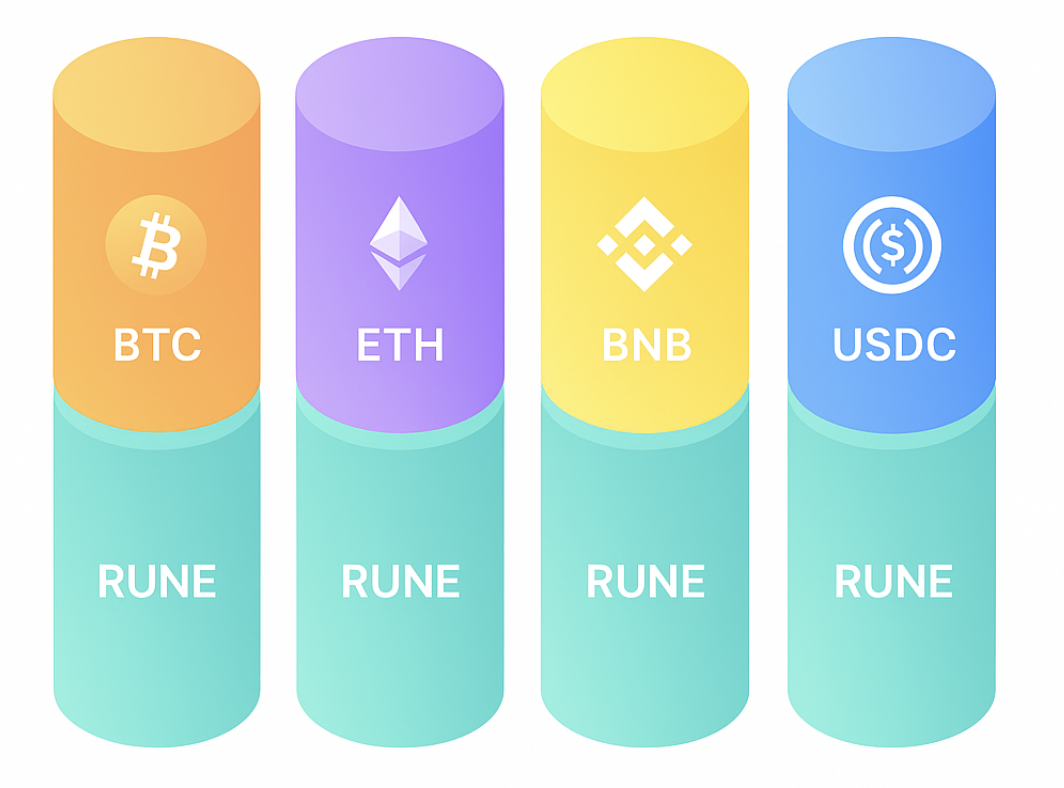
Specifically, after a user sends BTC, the protocol first swaps BTC for RUNE in the BTC/RUNE liquidity pool, then swaps RUNE for ETH in the ETH/RUNE liquidity pool, and finally sends ETH to the user. The process follows the path: BTC → RUNE → ETH.
This design eliminates the need for separate liquidity pools for each asset pair, reducing liquidity fragmentation and enhancing the efficiency of cross-chain swaps.
What Is the THORChain Cross-Chain Swap Workflow?
When a user initiates a BTC-to-ETH swap on THORChain, the system receives the BTC and the node network confirms the transaction. The protocol then calculates the amount of RUNE that can be swapped based on Real Time prices in the liquidity pool, followed by determining the final ETH amount available from the ETH/RUNE pool.
Once price calculations are complete, THORChain’s custody system releases the corresponding ETH to the user’s specified address, finalizing the cross-chain swap. The entire process is validated and executed by decentralized nodes, eliminating the need for any centralized intermediaries.
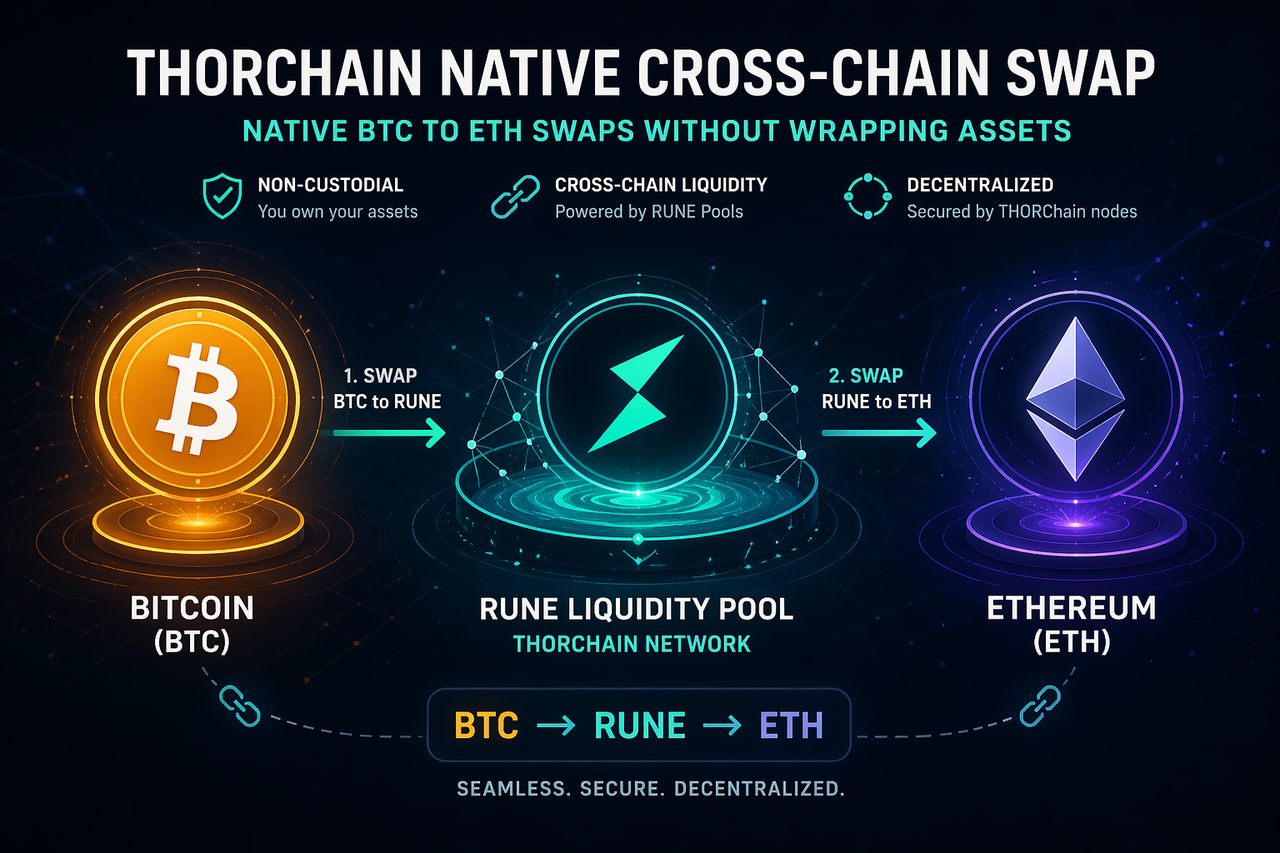
This approach allows users to exchange assets directly across different blockchains while retaining their native asset status, rather than relying on wrapped assets for trading.
Why Doesn’t THORChain Require Wrapped Assets?
Traditional Bridges typically require locking BTC and minting a corresponding amount of wrapped assets on the target chain, such as WBTC. Users end up trading a mapped version instead of native BTC, which introduces additional risks and complexity.
THORChain enables swaps between native assets through liquidity pools, eliminating the need to mint wrapped assets on the target chain. BTC enters a liquidity pool on the Bitcoin chain, ETH is released from a liquidity pool on the Ethereum chain, and RUNE acts as the value intermediary—so there’s no need for intermediate mapped assets.
This model reduces bridging risks and streamlines the cross-chain transaction process.
What Are the Advantages of THORChain Cross-Chain Swaps?
THORChain’s main advantage is the ability to directly swap native assets. Users can conduct cross-chain transactions between BTC and ETH without using centralized exchanges or first wrapping assets into other forms, which significantly simplifies cross-chain operations.
Additionally, THORChain’s decentralized liquidity pools provide ongoing liquidity for cross-chain swaps, enabling automatic pricing and settlement. Compared to traditional bridging solutions, this method reduces intermediate steps and increases asset movement efficiency, making it a clear leader in cross-chain DeFi infrastructure.
What Risks Are Associated with THORChain Cross-Chain Swaps?
Despite enabling native asset cross-chain swaps, THORChain still faces certain risks. Cross-chain transactions depend on liquidity pools; insufficient pool depth can lead to high slippage for large trades. The node network and protocol logic are also complex, and any vulnerabilities could threaten fund security.
Moreover, since BTC and ETH operate on separate chains, cross-chain swaps require multi-chain confirmations, which can be affected by network congestion and impact transaction speed. Users should monitor liquidity depth and protocol security, especially when making large cross-chain swaps via THORChain.
Summary: How Does THORChain Advance Native Cross-Chain Swap Adoption?
THORChain’s dual-pool swap model—BTC → RUNE → ETH—enables native cross-chain swaps between BTC and ETH without relying on wrapped assets or centralized exchanges. This mechanism boosts cross-chain asset movement efficiency and reduces the complexity and risks associated with traditional bridging models.
As demand for multi-chain asset interaction continues to grow, THORChain is establishing itself as a core liquidity infrastructure in the cross-chain DeFi space. Its native cross-chain swap capabilities provide direct liquidity support for major assets like BTC and ETH, while positioning RUNE as a key element within the protocol.
FAQs
How does THORChain facilitate BTC–ETH cross-chain swaps?
THORChain uses BTC/RUNE and ETH/RUNE liquidity pools, following the path BTC → RUNE → ETH, to enable native asset cross-chain exchanges.
Why doesn’t THORChain require wrapped assets?
THORChain leverages liquidity pools and RUNE as an intermediary settlement asset to complete swaps, so there’s no need to mint wrapped assets on the target chain.
Is THORChain cross-chain swap secure?
THORChain’s node network and fund pool mechanism provide security, but risks such as insufficient liquidity and protocol vulnerabilities remain.
What advantages does THORChain offer over traditional bridges?
THORChain supports direct swaps between native assets, reduces steps involving wrapped assets, and lowers bridging complexity.







