As global finance enters a new stage of “tokenization,” Ripple’s technical ecosystem has evolved from a simple payment network into a multi-dimensional financial foundation. With the full activation of the XRPL Smart Contract Layer and the official launch of the EVM Sidechain, developers can now build complex DeFi applications on its high-performance infrastructure. Simultaneously, Ripple’s deeply integrated RWA (Real-World Asset) tokenization engine provides significant compliance and efficiency advantages when handling trillion-dollar cross-border bonds and credit assets.
Through its natively integrated Decentralized Exchange (DEX) and Federated Sidechain architecture, XRPL has successfully addressed the “Blockchain Impossible Trinity” with specific optimizations for financial use cases. This technical paradigm—balancing compliance, high performance, and interoperability—not only serves as a bridge for cross-border CBDC (Central Bank Digital Currency) connectivity but also establishes the core infrastructure for a future global digital capital market that is instantaneous, transparent, and frictionless.
Ripple’s Origin and Technical Foundation
Ripple was founded in 2012 to address the high latency and high cost issues created by the correspondent banking model used in traditional cross border payments, typically represented by SWIFT.
Ripple’s core technical foundation is the XRP Ledger (XRPL), a decentralized, open source, permissionless Layer 1 blockchain. XRPL is designed for real time cross border settlement, supports more than 1,500 transactions per second, and offers fees as low as $0.0001. It primarily serves banks, payment institutions, and emerging financial use cases.
Consensus Mechanism: RPCA (Ripple Protocol Consensus Algorithm)
Unlike proof of work or proof of stake systems, XRPL uses RPCA under a Federated Byzantine Agreement model. Consensus occurs in rounds every three to five seconds.
In practice, RPCA relies on a validator network defined by a Unique Node List (UNL), consisting of roughly 35 trusted nodes. Transactions are finalized through voting, with an 80% agreement threshold, enabling high efficiency, low energy use, and no forks.
RPCA operates through the following process:
- Node list (UNL): Each server maintains a trusted node list called the Unique Node List
- Multi round voting: When a transaction is submitted, validators exchange information with other nodes within their UNL
- 80% threshold confirmation: Once more than 80% of trusted nodes agree, the transaction is permanently recorded in the latest ledger
This mechanism avoids the energy waste associated with miner competition and removes the fork risk commonly seen in traditional blockchains.
Native Feature Layer (Layer 1): Beyond Payments
XRPL is an independent Layer 1 blockchain that supports payment channels, a decentralized exchange (DEX), escrow, multisignature, and Hooks, which are lightweight smart contract capabilities. XRPL includes many financial tools directly at the protocol level, allowing developers and institutions to use them without complex smart contracts:
- Native decentralized exchange (DEX): XRPL includes an embedded DEX that supports peer to peer trading for any tokenized asset
- Pathfinding: The system automatically finds optimal exchange routes such as USD to XRP to EUR
- Escrow: Enables conditional locking and release of assets, often used for compliant enterprise payments
- Payment channels: Supports extremely high frequency micro payments
According to the 2026 roadmap, XRPL plans a major technical upgrade, with a stronger emphasis on privacy through zero knowledge proofs, programmability, and modular design, to improve institutional grade stability and scalability.
Business Model: How Ripple Supports Financial Institutions
Ripple’s commercial value is reflected in RippleNet’s enterprise product suite, including On Demand Liquidity (ODL) and Ripple Custody.
ODL is Ripple’s flagship offering. It allows financial institutions to avoid holding large pre-funded foreign currency accounts overseas by using XRP as a bridge asset for instant conversion.
Ripple Custody is designed to provide banks with secure digital asset custody services, supporting multi chain asset management and compliant approval workflows.
Ripple Ecosystem Overview
As a decentralized, open source, permissionless Layer 1 blockchain, XRPL is expanding into crypto payments, stablecoins, DeFi, and real world asset applications. Its ecosystem extends well beyond payments alone.
Core Infrastructure and Payments
As early as December 2024, Ripple officially launched the US dollar stablecoin RLUSD. In December 2025, Ripple expanded RLUSD to Ethereum Layer 2 networks, including Optimism, Coinbase’s Base, Kraken’s Ink, and Uniswap’s Unichain.
Beyond RLUSD, central banks in multiple countries such as Palau and Bhutan are using XRPL private ledger technology to develop CBDCs, reinforcing XRPL’s position as a foundational layer for global finance.
DeFi and Liquidity Pools
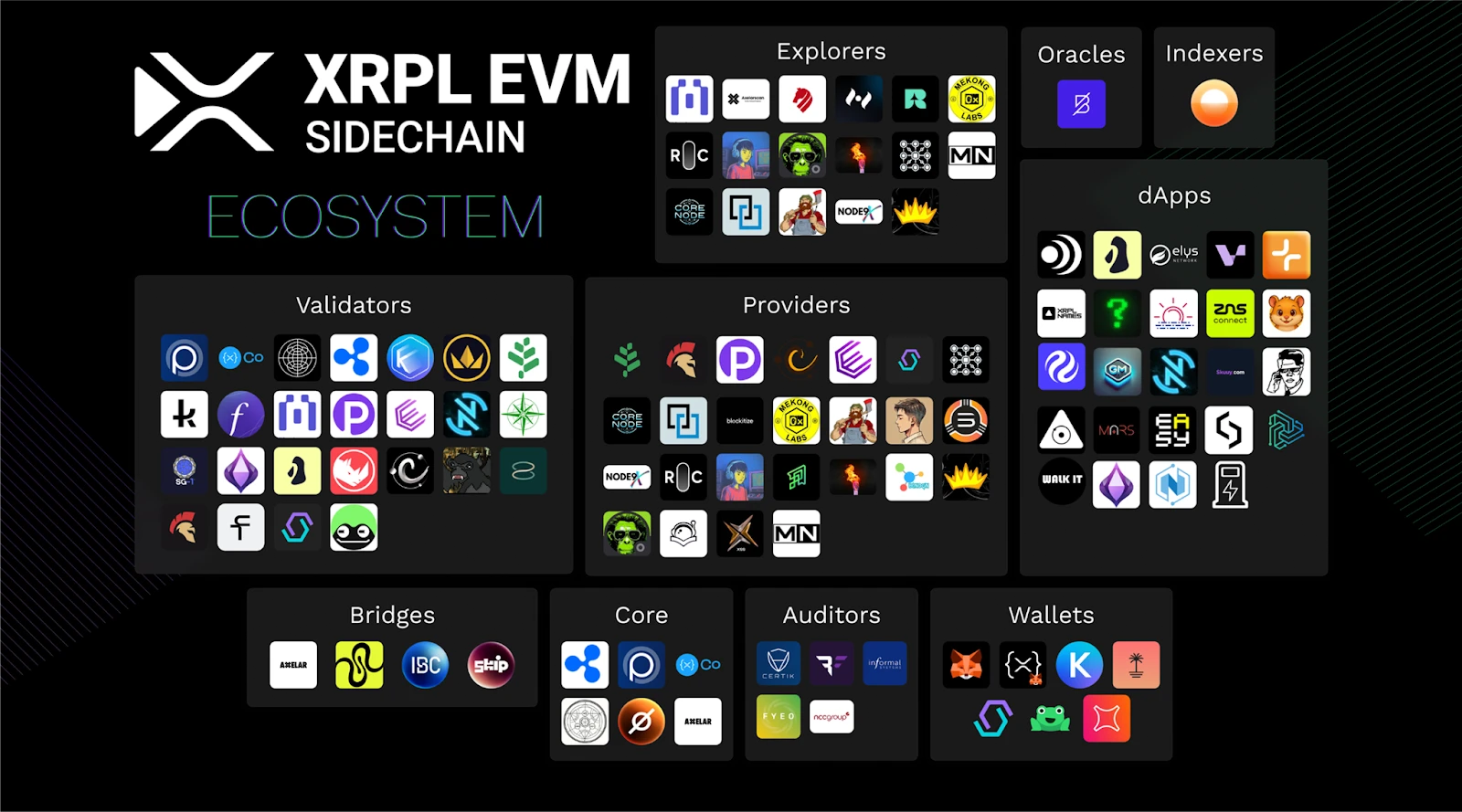
In June 2025, the XRPL EVM sidechain launched on mainnet, aiming to integrate Ethereum smart contracts into the XRP Ledger ecosystem. This means developers can migrate Ethereum style smart contracts to XRPL more smoothly, enabling deeper integration between XRP liquidity and the Solidity developer ecosystem.
So far, the XRPL EVM sidechain ecosystem includes explorers, oracles, wallets, and cross chain bridges.
RWA and Asset Tokenization
XRPL is expanding into real world asset tokenization and uses its Multi Purpose Tokens (MPT) standard to bring assets on-chain:
- Real estate and commodities: Asset issuers can fractionalize property or gold on-chain
- Compliance: Developers can use XRPL’s native permission management features to ensure transfers occur only between users who have passed KYC
NFTs and Web3 Applications
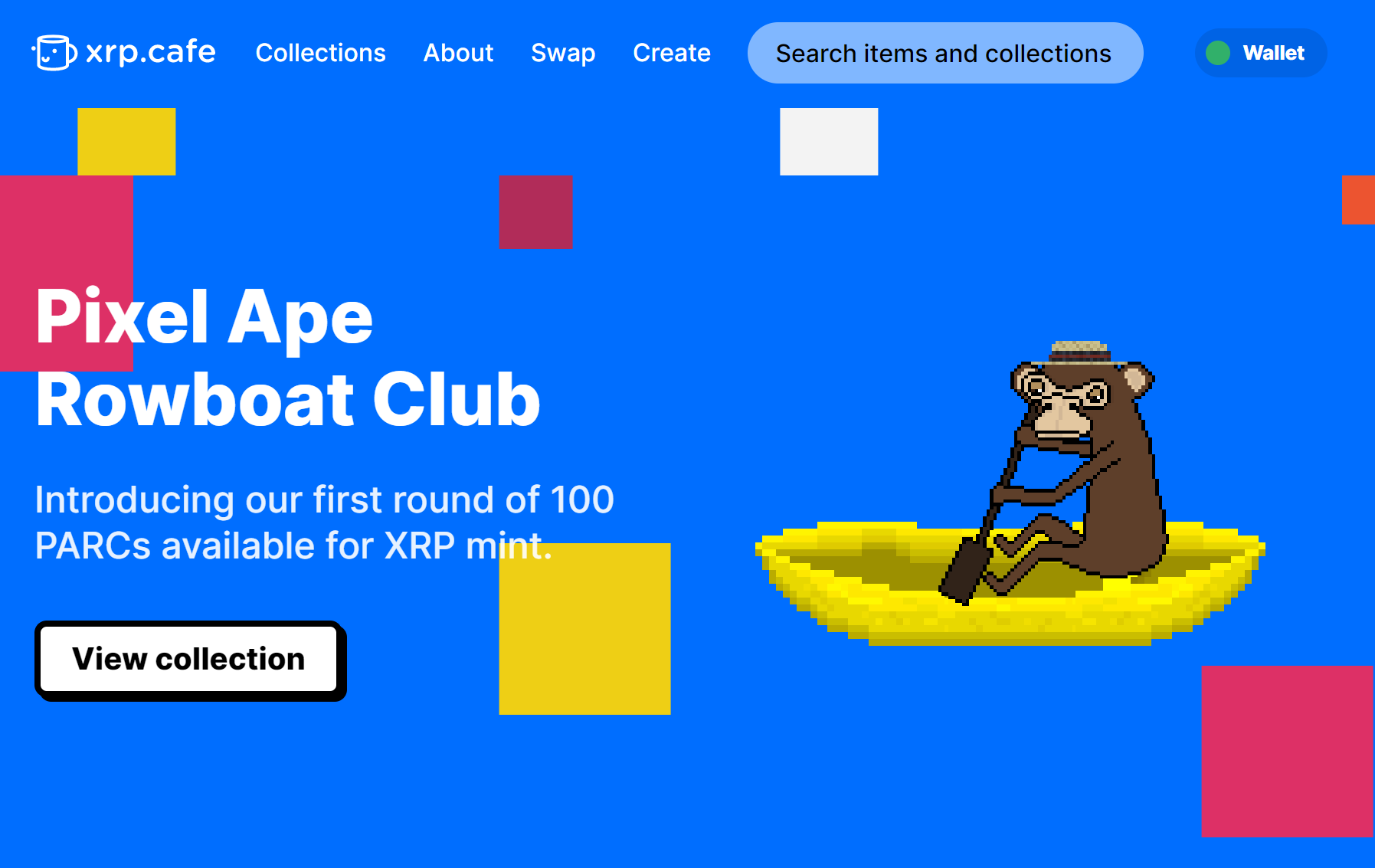
XRPL’s XLS 20 NFT standard lays the groundwork for NFTs and broader Web3 applications. With XLS 20, XRPL supports native NFT functionality, Layer 1 level royalties, and anti spam features, helping build a long term ecosystem that is more supportive for both creators and users.
Conclusion
Overall, Ripple’s operating logic represents a shift from the Internet of information toward the Internet of value. It is not only a payment tool, but also an efficient, low energy trust standard built through the RPCA consensus protocol and XRPL.
From a technical perspective, XRPL’s built in DEX, pathfinding, and the 2026 roadmap focus on zero knowledge privacy provide a strong Layer 1 foundation for institutional use cases. From an ecosystem perspective, Ripple’s cross chain expansion of RLUSD and the rollout of the EVM sidechain reduce barriers with Ethereum aligned developer environments.
From enabling bank settlement through ODL to supporting real world asset tokenization, Ripple is building a global settlement network that combines compliance with decentralized dynamism, reinforcing its role as a key bridge between traditional finance and Web3.
FAQs
If XRP Ledger does not require mining, how is its security ensured?
Security comes from “overlapping trust.” Validators rely on the nodes within their UNL. If eighty% of those nodes reach consensus, it becomes extremely difficult for an attacker to manipulate the ledger through forged transactions.
Why would financial institutions use Ripple instead of building their own private chain?
Because Ripple provides the Interledger Protocol and a mature liquidity market through XRP, which helps address private chain limitations such as isolated networks and limited asset liquidity.
Is holding XRP required to use Ripple?
Not necessarily. While transaction fees and reserve requirements involve a very small amount of XRP, institutions can use Ripple technology to transfer any token, such as RLUSD or tokenized fiat currencies.







