Crypto Asset Overview
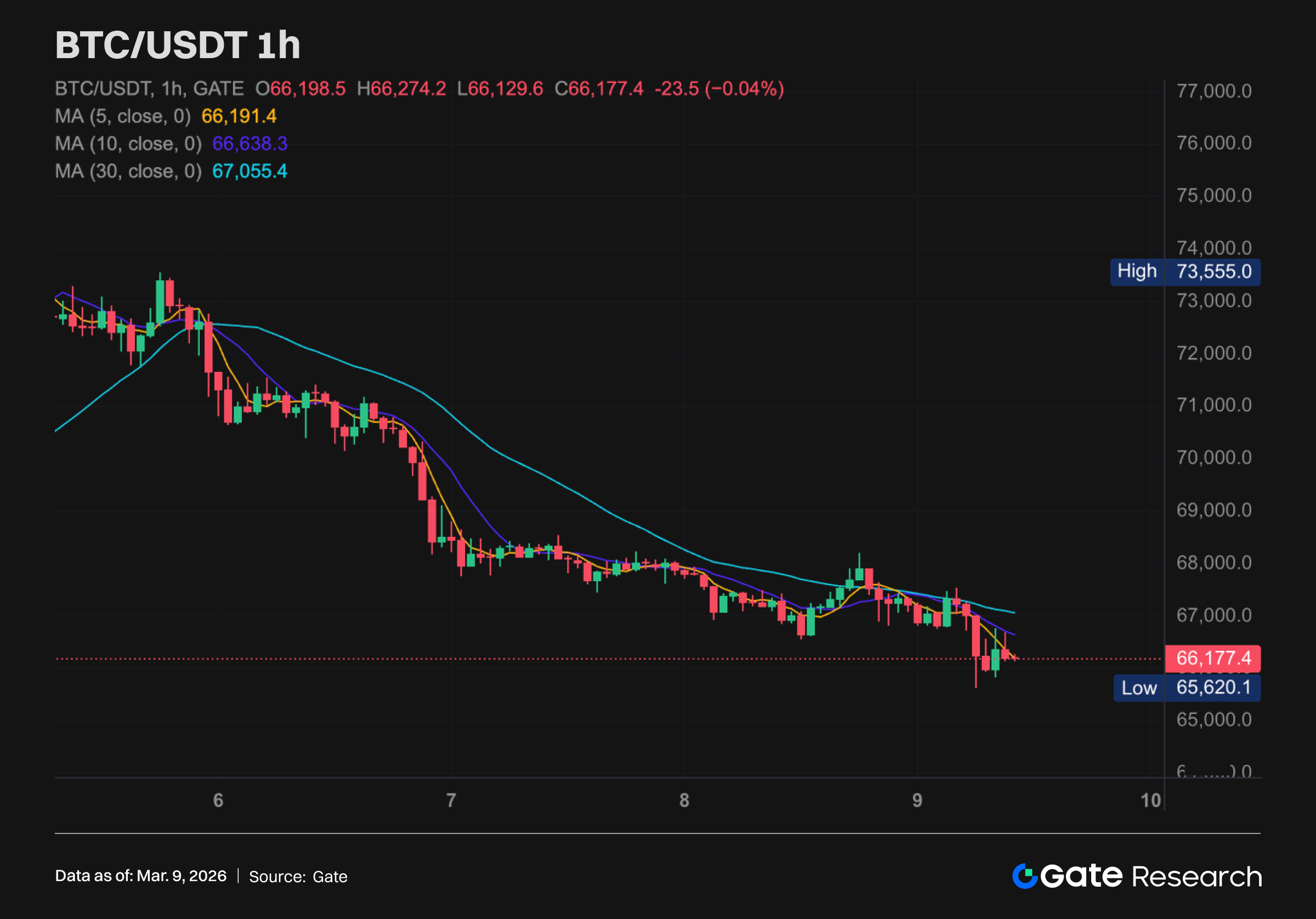
BTC (-1.75% | Current Price: 66,177 USDT)
Over the past 24 hours, BTC has shown weak recovery after a decline, with bulls unable to sustain momentum. Defensive positions continue to control the market action. Compared to last week, risk appetite for crypto has dropped further, with traders prioritizing volatility reduction before making short-term moves. On the short-term chart, repeated upward attempts are met with resistance, signaling heavy supply overhead and a reluctance from momentum traders to increase exposure at these levels. Fundamentally, BTC remains the market’s pricing benchmark, acting more as a stabilizer in the current environment. Without sustained improvement in sentiment, BTC is likely to continue moving sideways with a weak bias, rather than quickly returning to an upward trend.
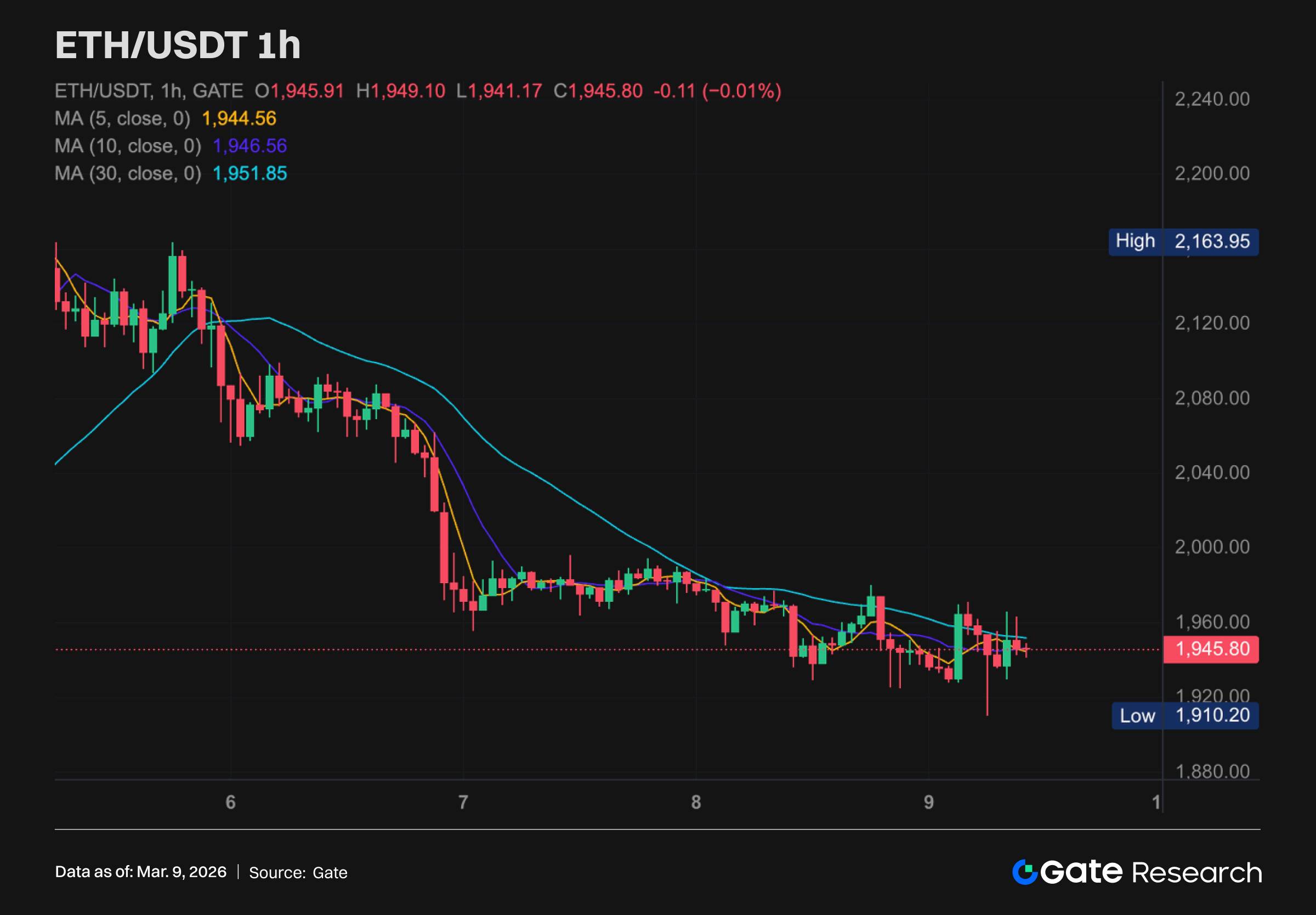
ETH (-1.13% | Current Price: 1,945 USDT)
ETH is tracking BTC’s movement, but with clearer signs of support rather than breakout, reflecting a classic consolidation. Current capital flows haven’t challenged Ethereum’s long-term thesis, but short-term trading outweighs strategic allocation, making rebounds fragile. Technically, recent price action lacks confirmation, with charts showing repeated tests rather than a trend reversal. Fundamentally, ecosystem narratives persist, but short-term pricing is driven by risk sentiment and liquidity constraints. Overall, ETH remains a core stable asset, but any short-term strength depends on broader market sentiment stabilizing.
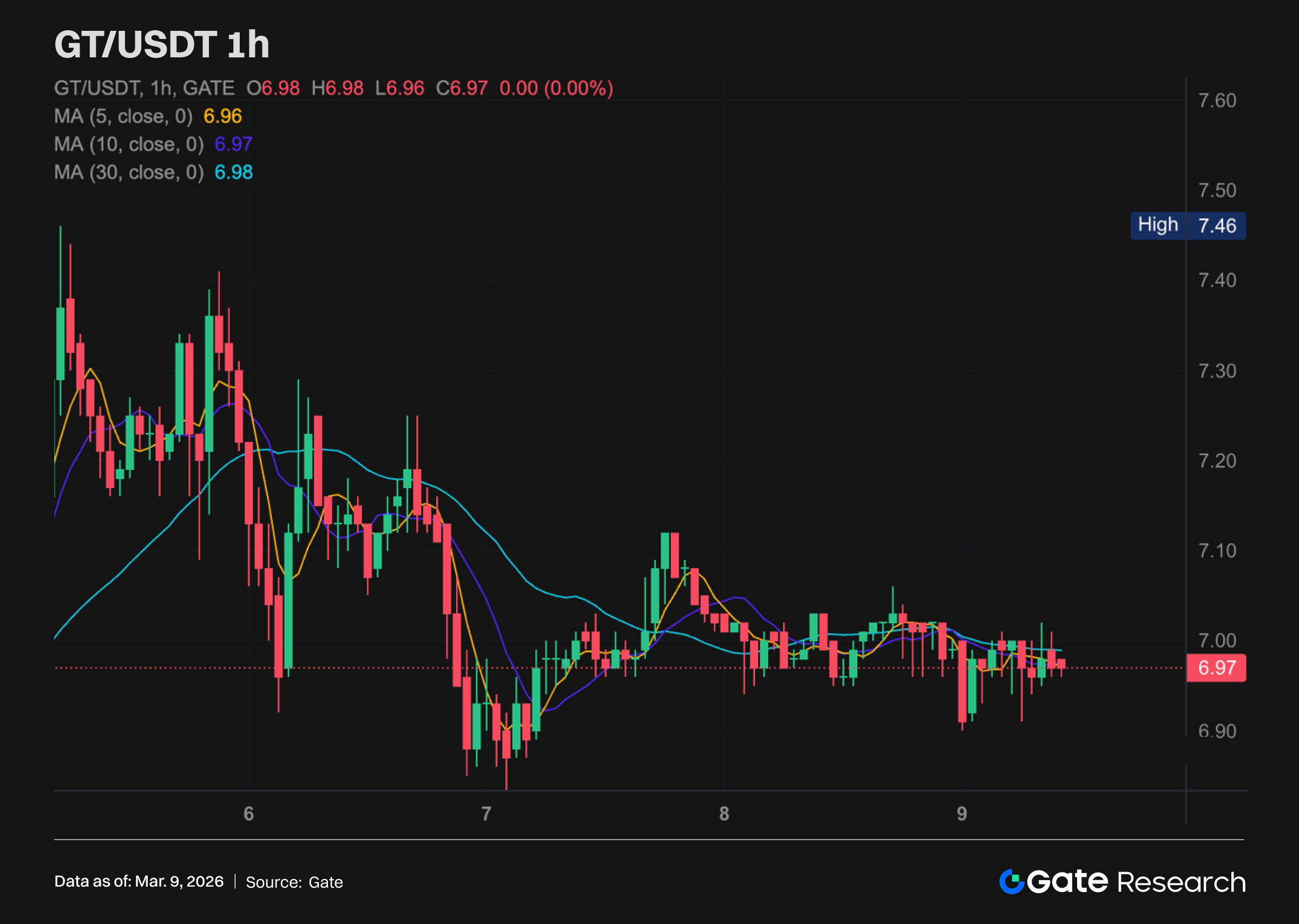
GT (-0.57% | Current Price: 6.97 USDT)
GT has exhibited weak, narrow-range trading in the last 24 hours, with less pronounced independent strength compared to prior days. Its performance remains tied to platform ecosystem dynamics and structural capital flows, not broader macro trends, so GT tends to enter low-volatility, low-continuity bottoming phases during sentiment contractions. On the charts, repeated rotations within the range are evident, with no clear breakout trigger. Trading opportunities persist but rely heavily on catalysts and timing. Short-term, GT is defensible but difficult to advance, requiring new events to break the equilibrium.
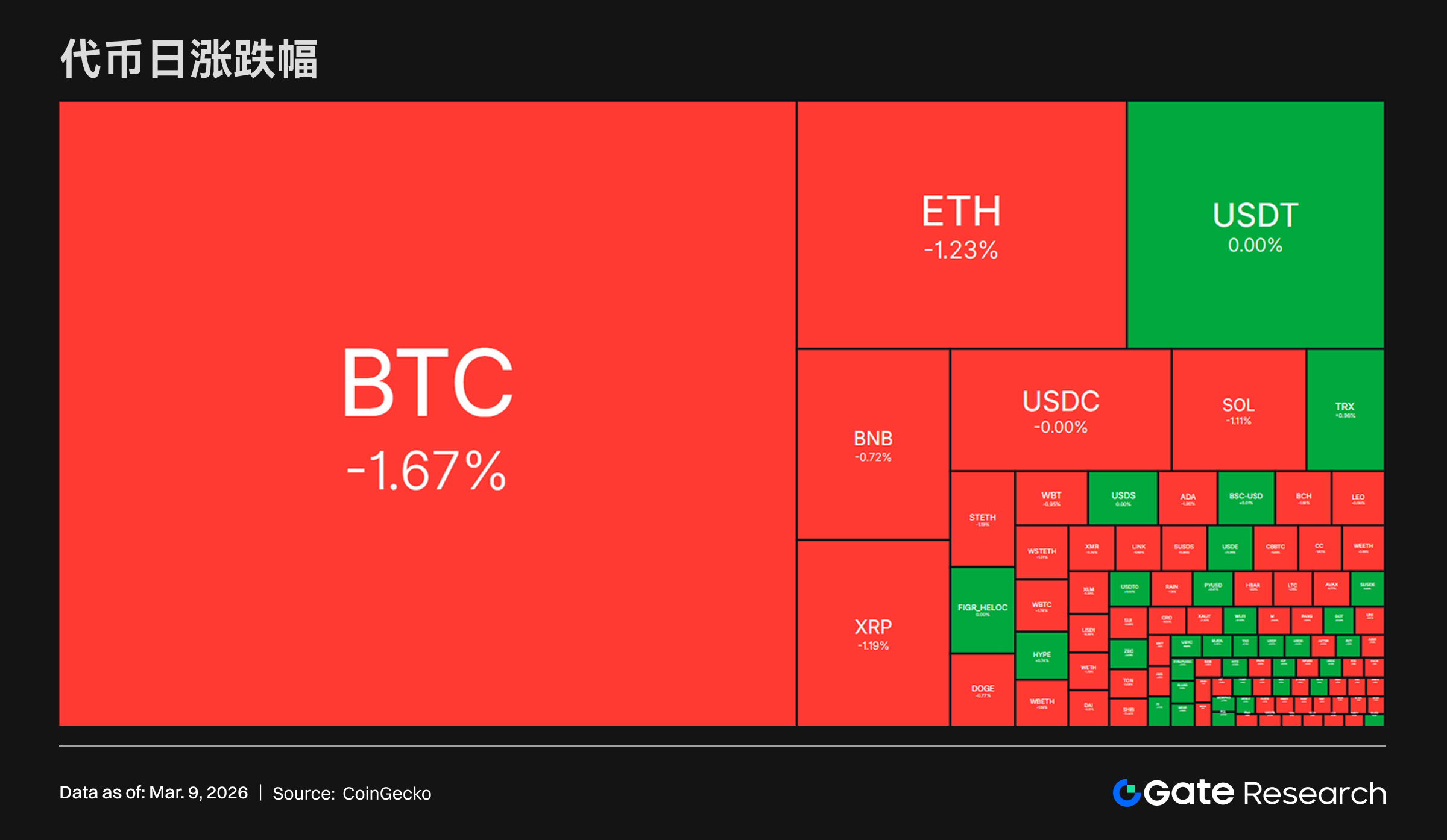
The market’s structure remains defensive, with capital shifting between leading assets and specific themes for short-term trades. A few tokens show strength, but most are driven by events or trading spikes, with limited sector-wide momentum. Compared to yesterday, rebound quality has not improved, and short-term opportunities remain but with little margin for error. This phase is more of a structural battle in a weak market, not the start of broad gains.
The latest Fear & Greed Index is 8, indicating extreme fear. This reading is lower than before, showing further contraction of risk appetite and deeper pricing of uncertainty. In practice, downward moves are smoother, and rebounds are quickly sold at key levels. The strategy now favors controlled position sizing and phased responses, waiting for sentiment and price structure to recover before ramping up risk.
DEGO Dego Finance (+53.60%, Circulating Market Cap: $13.4694M)
Gate market data shows DEGO trading at $0.6301, up 53.60% in the past 24 hours. Dego Finance integrates NFTs and DeFi, providing NFT minting, trading, and assetization tools, with its token used for governance and ecosystem incentives.
This surge reflects rapid revaluation of a high-elasticity, low-priced asset. After a deep pullback and concentrated holdings, small capital inflows trigger outsized gains. High trading volumes suggest genuine turnover, not just a price pump. As funds rotate from major coins to mid- and small-cap themes, DEGO’s volatility increases. If volumes drop quickly, expect heightened price swings.
BABY Babylon (+28.04%, Circulating Market Cap: $32.4606M)
Gate market data shows BABY trading at $0.0142, up 28.04% in 24 hours. BABY (Babylon) is part of the Bitcoin ecosystem, focusing on BTC staking and shared security, with its token used for network incentives and governance.
The rally was sparked by renewed BTC ecosystem interest spilling over to related projects. With major coins consolidating, investors favor mid-cap tokens with clear sector identities. The chart shows a stepwise advance, with capital following trends rather than abrupt spikes. The project’s strong association with BTC boosts trading attention. Sustainability depends on continued volume growth and sector sentiment.
MBOX MOBOX (+25.26%, Circulating Market Cap: $10.2966M)
Gate market data shows MBOX trading at $0.02003, up 25.26% in 24 hours. MOBOX is a GameFi project combining NFTs, blockchain games, and yield mechanics; MBOX is used for ecosystem payments, governance, and incentives.
This rebound is driven by recovery from low prices and sector rotation. Assets with large declines attract speculative capital as risk appetite recovers. MBOX rallied strongly from lows, maintaining high turnover and clear short-term speculative activity. Its small market cap makes price highly sensitive to capital flows. Without fresh catalysts, expect the rally to shift toward wider swings or even sharp corrections.
Hotspot Analysis
Pakistan Enacts "Virtual Assets Act 2026," Legalizing Crypto Regulation
Major Pakistani media confirm the "Virtual Assets Act 2026" has officially taken effect. The law upgrades local crypto regulators from temporary mechanisms to permanent statutory agencies, granting powers for licensing, ongoing supervision, and enforcement. It also sets penalties for unlicensed operations, marking a shift from policy guidance to legal regulation for Pakistan’s crypto industry.
Emerging markets are pushing crypto regulation from broad policy statements to enforceable legal frameworks. Short term, this raises compliance costs and market entry barriers; over time, clearer regulatory boundaries help establish stable capital and business environments, encouraging institutional investment in auditable, transparent, and sustainable crypto projects.
Brickken Joins Spain’s UNE Standards Committee to Advance Institutional Tokenization
Brickken, a tokenization infrastructure project, has joined Spain’s UNE standards committee and is participating in ISO/TC 307 tokenization standard discussions. The event highlights an industry shift from “product-first” to “standards-first” approaches.
For RWA and asset tokenization, standardization directly affects asset recognition across jurisdictions and determines whether custody, auditing, and compliance can scale. Continued progress means institutional tokenized assets will be more attractive to traditional finance.
Cardano Advances USDCx Native Stablecoin Infrastructure, Enhances On-Chain Payments and RWA Settlements
The Cardano ecosystem is building out USDCx infrastructure to deeply embed stablecoin capabilities into its native platform. Unlike traditional bridge-and-circulation models, this design boosts asset usability and settlement efficiency on-chain. Stablecoins are not just trading tools; they’re fundamental liquidity for DeFi, payments, and real-world asset settlements. The completeness of stablecoin infrastructure often determines a chain’s commercial viability.
Public chain competition is shifting from TPS to payment settlement and asset composability. Chains that integrate stablecoins, lending, payments, and RWA modules first will more easily achieve lasting network effects and user retention.
References:
Gate Research Institute is a comprehensive blockchain and cryptocurrency research platform, offering deep-dive content including technical analysis, trending insights, market reviews, industry research, forecasting, and macro policy analysis.
Disclaimer
Cryptocurrency investments carry high risk. Users should conduct their own research and fully understand the assets and products before making any investment decisions. Gate accepts no liability for losses or damages resulting from such investment decisions.