Gate Gas Station: The Key Design That Removes Gas Bottlenecks in Multi-Chain Operations
As multi-chain architecture becomes the standard in Web3, users have grown accustomed to switching between networks. The real challenge for user experience isn’t the cross-chain technology itself, but the frequent, seemingly minor issues—most notably, failed transactions due to insufficient gas.
Whether conducting DeFi transactions on Ethereum or interacting with Layer 2 applications, any transaction will be halted if the native token balance is too low. This last-minute disruption is becoming one of the most persistent and significant pain points in the multi-chain landscape.
From Tool Limitations to System-Level Solutions
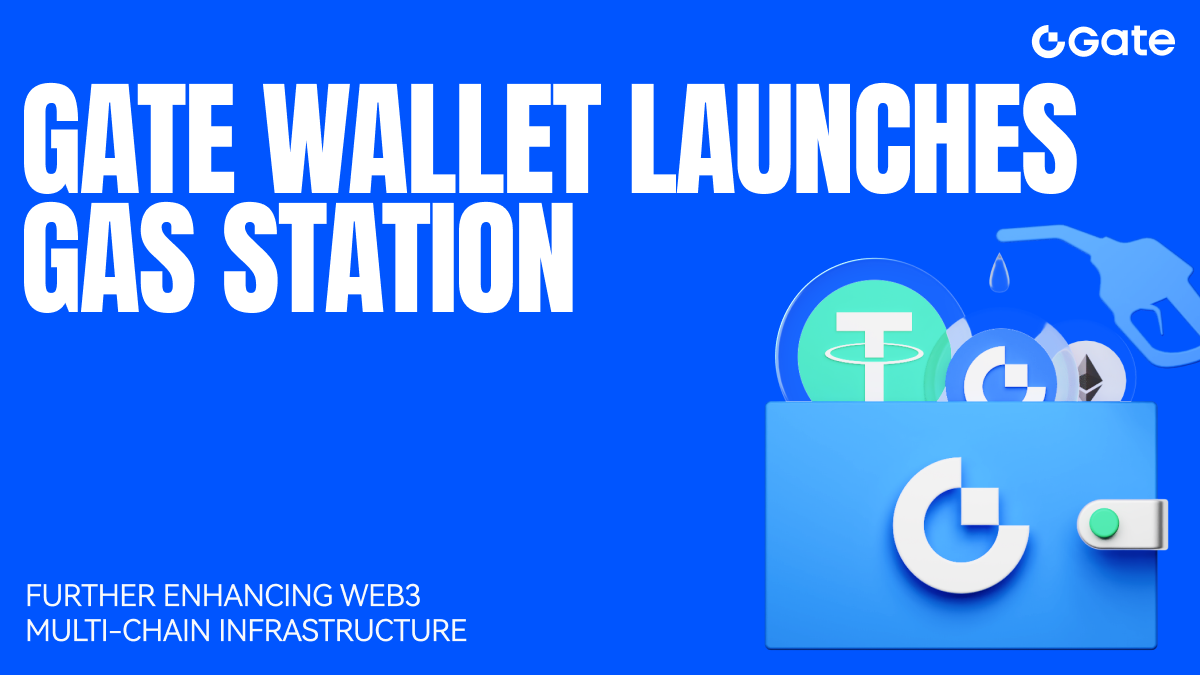
Gate’s Gas Station isn’t just a simple gas top-up tool—it reimagines gas usage at the account level. The system creates a dedicated gas account for each EVM wallet. When users operate on supported networks and run into insufficient native tokens, the platform automatically covers the required fees, ensuring transactions go through smoothly.
This design removes the need to check gas before every transaction, turning gas into a background system resource that provides real-time support. Users can focus on their actions without worrying about gas balances.
Unified Gas Source for Multi-Chain Environments
Currently, Gas Station supports a wide range of major EVM networks, including Ethereum, BNB Smart Chain, Arbitrum, Optimism, Base, Polygon, Avalanche, Linea, GateChain EVM, and Gate Layer, with ongoing expansion.
Gas account top-ups aren’t limited to a single native token. Users can fund their accounts with over 100 common crypto assets—such as GT, USDT, USDC, ETH, and BNB—creating a unified gas payment pool. This eliminates the need to prepare specific assets for each chain during cross-chain operations. Effectively, multi-chain management becomes single-account management, significantly reducing both costs and cognitive burden for users.
The Real Barrier for Web3: Process Friction
From a product logic perspective, the value of Gas Station lies not in technical innovation, but in reshaping the user experience. As on-chain operations become more frequent, the real driver for mainstream adoption isn’t just feature completeness—it’s process fluidity.
Gate absorbs the underlying complexity at the platform level. Users no longer need to understand each chain’s resource differences or repeatedly prepare native tokens. This approach—where the platform handles complexity—is a critical turning point for Web3’s evolution from a technical product to a mainstream application.
Transparent Mechanisms and No Additional Authorization
For security and traceability, Gas Station maintains a high level of transparency. All payment records, account balances, and consumption details are available in real time. The entire process requires no extra contract authorizations, so users never need to hand over asset control to third parties. This ensures the delegated payment mechanism provides instant convenience while maintaining a complete record of fund flows, reducing user concerns about automated payments.
Conclusion
In a Web3 landscape where multi-chain operations are the norm, a platform’s true value depends not just on how many chains it supports, but on how stable and seamless the user experience is. Gate Gas Station consolidates the previously fragmented and error-prone gas management process into a predictable, transparent, and sustainable system. With unified gas accounts, cross-asset top-ups, and instant payment mechanisms, Gate is transforming multi-chain operations from a technical task requiring advance preparation into a ready-to-use, everyday experience—paving a practical path for Web3’s mainstream adoption.