Why New Projects No Longer Prioritize Centralized Exchanges
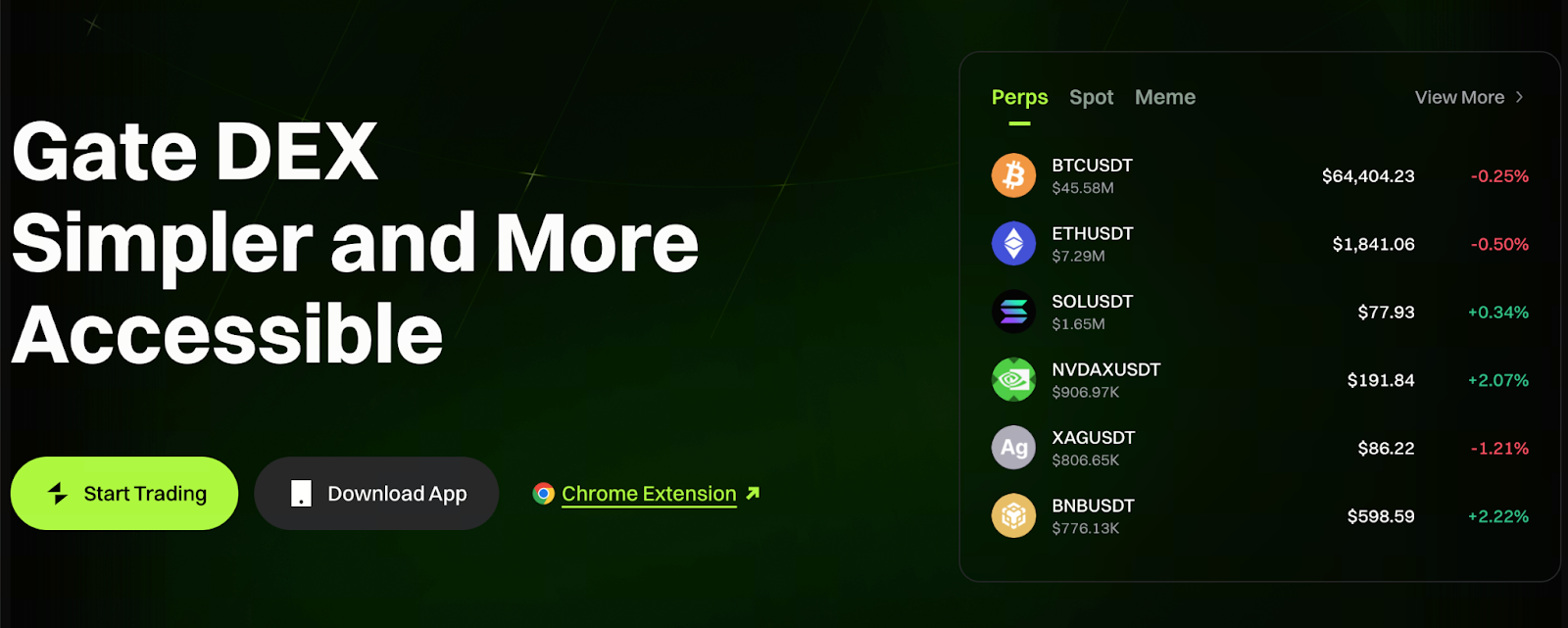
In the past, projects seeking market attention typically aimed to list on major exchanges first. Now, this order is changing. Increasingly, new projects are issuing tokens directly on the blockchain, establishing liquidity and building community engagement before considering centralized platforms.
This model not only saves time but also enables projects to test market response more quickly. For traders, true price discovery often happens on-chain, not on traditional exchanges.
Experience seamless on-chain trading now at Gate DEX: https://web3.gate.com/
The Practical Challenges of On-Chain Trading
While on-chain trading is theoretically open and transparent, it’s not always easy in practice. Most users, when participating in new assets, typically need to:
- Search for contract addresses on social platforms or Twitter
- Verify the authenticity of the token
- Check the state of liquidity pools
- Switch to a DEX to execute the trade
This process is highly fragmented and tools are scattered. For inexperienced users, it’s not just time-consuming—it also increases the risk of mistakes due to information gaps.
Gate DEX’s Design Logic: Streamlining the Process
Gate DEX’s core approach is not about adding more features, but about reorganizing the on-chain trading workflow. The platform consolidates information that was once spread across multiple tools into a single interface, so users can:
- Browse new asset listings
- Monitor market data
- Trade directly
This design turns on-chain trading from a piecemeal process into a seamless, integrated experience.
From Opportunity Discovery to Placing Orders—One Entry Point Is All You Need
On Gate DEX, users don’t have to jump to third-party data platforms and then return to the trading page. The complete process happens within the platform. When you spot a new asset, you can review basic data, trading activity, and market liquidity all at once, then immediately swap or trade. This dramatically reduces the time from discovering a project to actually participating. This unified experience is especially valuable for short-term traders and early adopters.
The Real Value of On-Chain Data
The biggest advantage of on-chain markets is that all trading activity is fully transparent. Gate DEX’s integrated on-chain tools help users observe:
- Whether funds are flowing in or out
- Whether market activity is increasing
- Whether trading volume is concentrated in a few addresses
This information doesn’t guarantee profits, but it does allow users to understand market structure before entering, rather than simply following the crowd.
Early-Stage Asset Risks Still Exist
No matter how well-designed the platform is, on-chain new assets remain highly uncertain. Common risks include:
- Insufficient liquidity causing sharp price fluctuations
- Limited project information, making it difficult to verify authenticity
- Rapid shifts in market sentiment
Therefore, when trading these assets, you should manage your position size carefully. Don’t chase short-term gains, maintain a basic understanding of the project, and remember that while tools can lower the barrier to entry, they can’t replace risk awareness.
On-Chain Trading Is Going Mainstream
Previously, on-chain trading was almost exclusive to technical users. But with better interface design, streamlined processes, and improved user experience, this space is quickly opening up to general traders. The rise of platforms like Gate DEX signals that the on-chain market now offers platform-level entry points. It’s no longer just a collection of scattered tools, but is becoming part of a complete trading ecosystem.
Conclusion
The model for new asset issuance has fully shifted on-chain, and the focus of early-stage markets has moved with it. By integrating asset discovery, data analytics, and trading functions, Gate DEX has redefined how users access the on-chain market, making complex processes more intuitive and manageable. As the on-chain ecosystem continues to mature, these one-stop platforms represent more than just upgraded tools—they are poised to become the main gateway connecting new projects and traders in the future crypto market.