The Shift in Price Discovery Mechanisms
Historically, new projects had to rely on centralized platforms for approval and listing to gain attention and liquidity. This model is now evolving, as more teams are deploying tokens directly on public blockchains and letting the market determine their value through actual trading activity.
This transformation is more than just a change in issuance procedures—it’s a fundamental redistribution of market power. The visibility and liquidity of an asset are no longer controlled by a central gatekeeper; instead, on-chain participants collectively shape these outcomes.
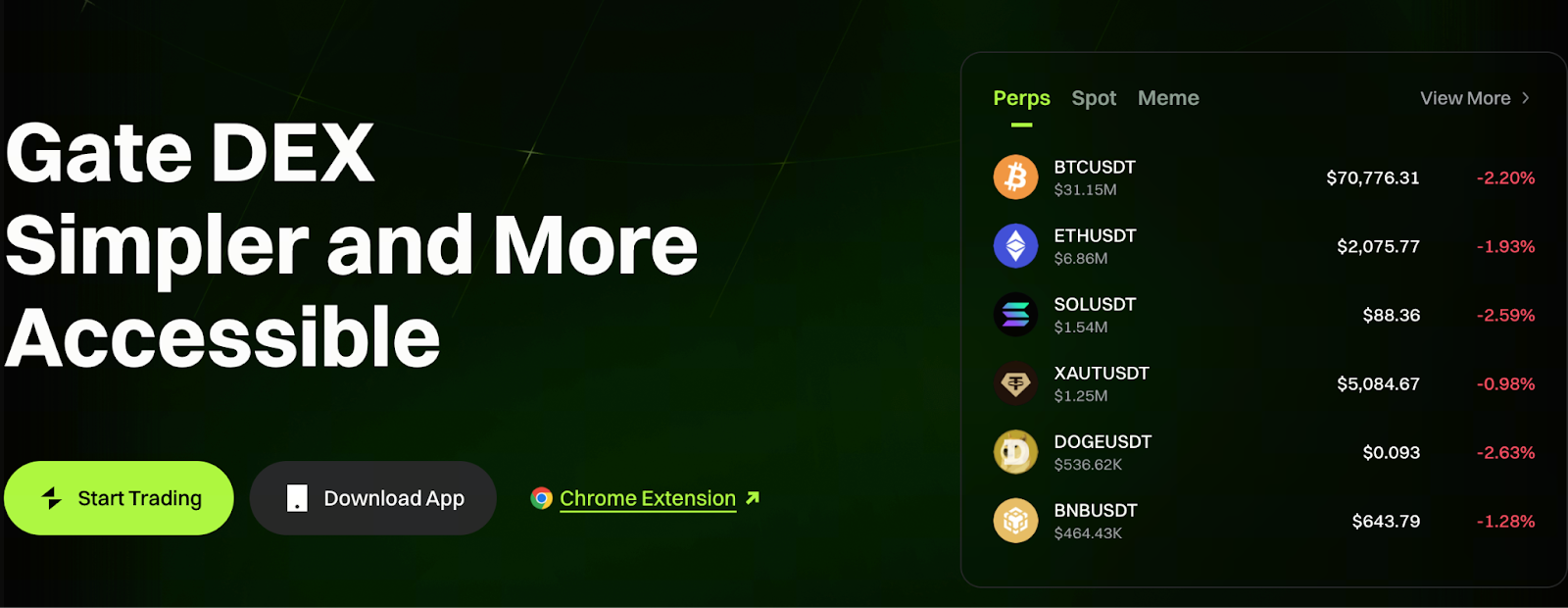
Experience seamless on-chain trading now with Gate DEX: https://web3.gate.com/
In theory, anyone with a crypto wallet can trade on-chain. In reality, users frequently contend with fragmented information across platforms:
- Searching for token news on different community channels
- Verifying contract addresses on blockchain explorers
- Analyzing liquidity and holder distribution via third-party data services
- Swapping across multiple DEXs
This workflow is not only time-consuming but also heightens the risk of mistakes due to information gaps. While on-chain markets are open, the real barrier is efficient access to consolidated data and trading tools.
Given this context, Gate DEX prioritizes process integration rather than mere feature accumulation.
With a unified interface, users can:
- Discover the latest on-chain assets
- Monitor trading activity and liquidity in real time
- Execute swaps and place orders directly
This integration minimizes the friction of switching platforms, allowing users to make decisions and act almost simultaneously.
The Time Value in Early Markets
On-chain assets are often highly volatile within short periods. If too many steps exist between data verification and trade execution, users may miss critical opportunities. By combining data and trading functions within a single interface, users can monitor and act without delay—an advantage that proves significant in volatile markets.
A core benefit of on-chain trading is transparency. Integrated blockchain data allows users to:
- Track ongoing capital inflows into assets
- Spot abnormal surges in trading volume
- Identify concentration in token holdings
While these insights can’t forecast the future, they empower users to base decisions on verifiable data rather than solely on market sentiment.
Streamlining Doesn’t Eliminate Risk
It’s important to recognize that a better user experience doesn’t mean reduced risk. New tokens can still face issues like low liquidity, limited transparency, or speculative swings. Platforms can lower informational and operational barriers, but robust risk control ultimately rests with the user. Proper position sizing and diversification remain essential principles for on-chain market participation.
On-Chain Trading Moves Mainstream
With standardized interfaces and integrated tools, on-chain trading is moving beyond technical early adopters to a wider audience. Gate DEX stands out not just as a trading tool, but as a platform-level gateway. As token issuance centralizes on public blockchains, trading platform integration and upgrades become an inevitable trend.
Conclusion
Public blockchain issuance and on-chain liquidity are redefining asset creation and pricing. Decentralization is now a tangible mechanism for price discovery, not just a concept. In this environment, platforms that integrate discovery, data, and trading capabilities become crucial bridges linking projects with capital. As processes streamline and data centralizes, on-chain markets become more accessible, unlocking new opportunities for a broader user base.