
#24h加密合约清算破4亿美元 Bitcoin has been under continuous pressure in the past 24 hours, gradually slipping from the consolidation range above $76,000, and has now fallen below $73,000.
Market trading volume remains active, reflecting ongoing selling pressure.
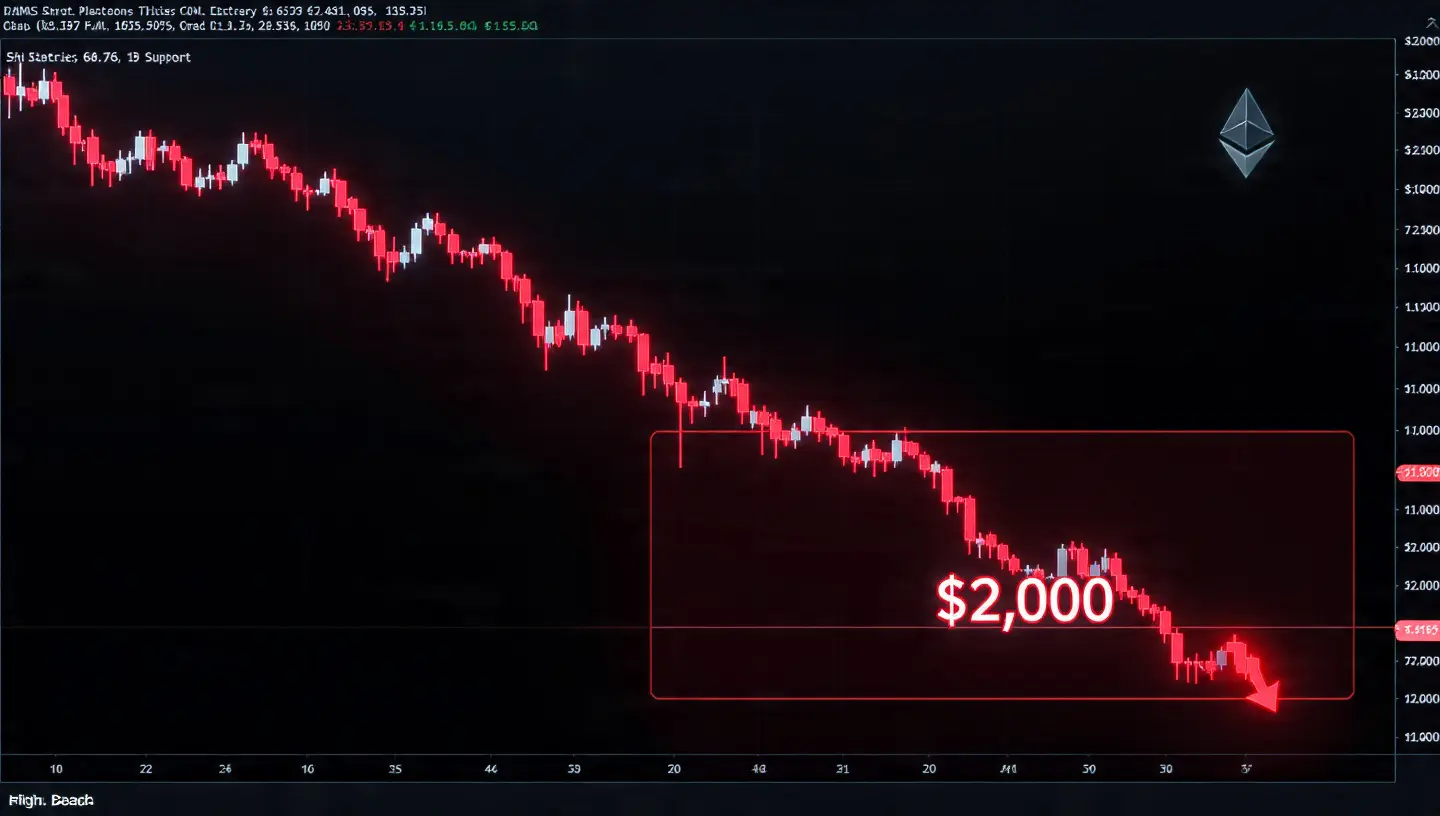
Ethereum has experienced a larger decline, now breaking below the $2,000 psychological level.
As the second largest asset in the crypto market, ETH's decline reflects a generally weak market sentiment.
In the past 24 hours, a total of 164,762 people worldwide have been liquidated, with a total liquidation amount of $928 million.
The largest single liquidation occurred on Hyperliquid, with BTC-USD valued at $15.34 million.
One of the core reasons for the weak BTC price is the large-scale selling behavior by miners and industry transformation.
Several publicly listed Bitcoin mining companies have recently sold their BTC reserves, shifting funds toward AI infrastructure development.
Progress on two key cryptocurrency bills in the U.S. Congress has been slow, further weakening market expectations of upcoming policy benefits:
The Digital Asset PARITY bill aims to reform crypto taxation, exempting miners and staking rewards from taxes before sale.
This proposal was officially submitted in May but has not yet been scheduled for hearings or votes.
The Digital Asset Market CLARITY bill is awaiting a full Senate vote, with no date set yet.
The Federal Reserve's balance sheet remains stagnant, and liquidity expectations have fallen short.
Market previously expected the Fed to continue expanding its balance sheet by purchasing U.S. Treasuries to inject liquidity.
However, since April 15, the Fed's total assets have stagnated at $6.7 trillion, with a clear slowdown in expansion.
Additionally, the persistent selling pressure on BTC spot ETFs has further weakened the already fragile BTC.
Yesterday, the net outflow from Bitcoin spot ETFs was $733 million, marking the eighth consecutive day of net outflows.
On the news front, the war drums are sounding again. The U.S. military claims to have deployed forces ready to attack Cuba at any time.
Furthermore, U.S. President Trump stated that negotiations are hopeless and expressed dissatisfaction with the Iran deal.
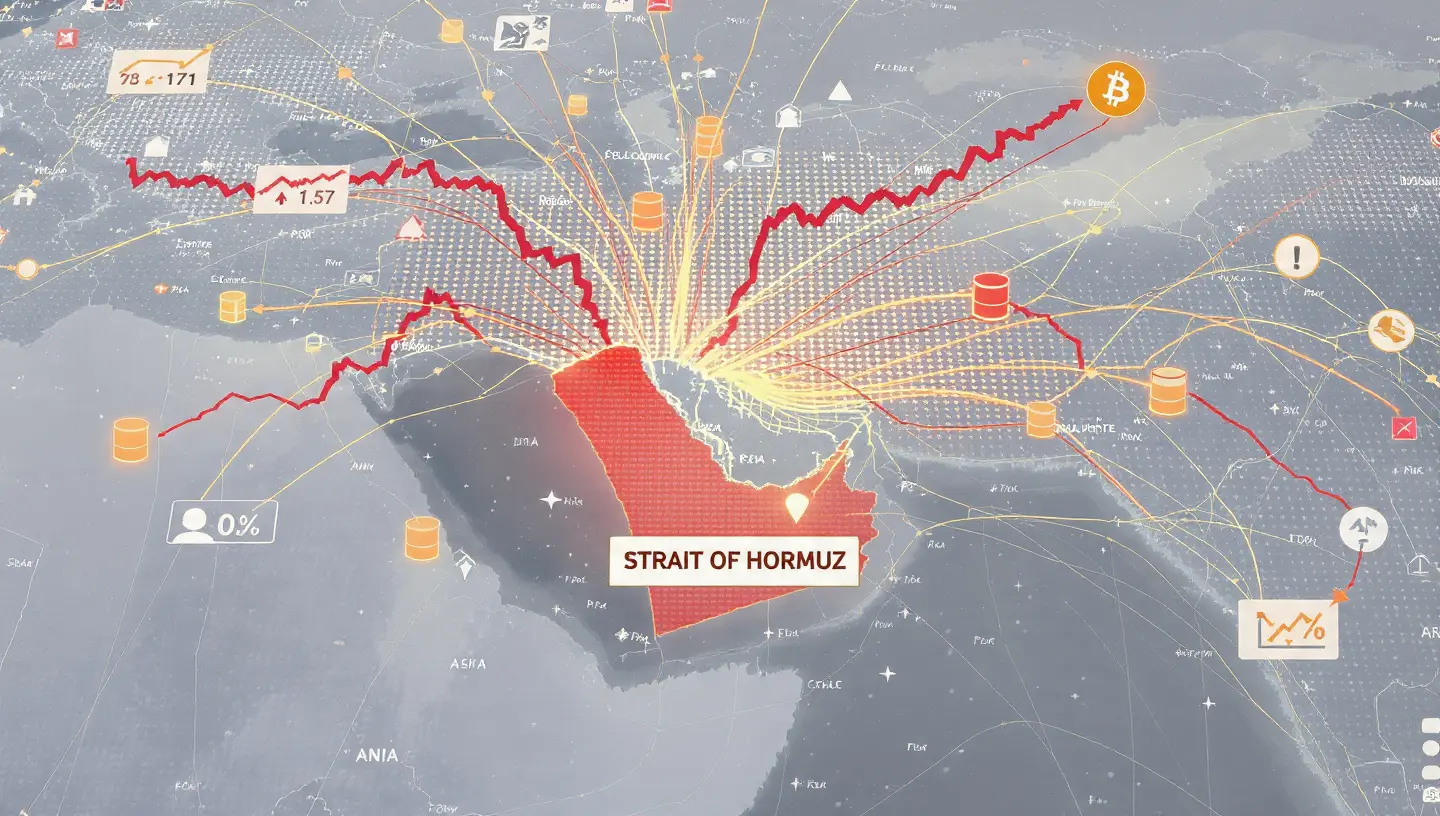
On the early morning of May 28, the U.S. military conducted an airstrike on a location near Abas Port, followed by the Islamic Revolutionary Guard Corps striking the U.S. Air Force base involved in the attack.
Adding to the turmoil, Jubi's collapse has brought many negative news to the market.
The market is currently overwhelmed with bad news, and the market trend is poor.
In terms of operations, one can only be cautious, develop slowly, wait for opportunities, and wait for the cycle.
$BTC
Market trading volume remains active, reflecting ongoing selling pressure.
Ethereum has experienced a larger decline, now breaking below the $2,000 psychological level.
As the second largest asset in the crypto market, ETH's decline reflects a generally weak market sentiment.
In the past 24 hours, a total of 164,762 people worldwide have been liquidated, with a total liquidation amount of $928 million.
The largest single liquidation occurred on Hyperliquid, with BTC-USD valued at $15.34 million.
One of the core reasons for the weak BTC price is the large-scale selling behavior by miners and industry transformation.
Several publicly listed Bitcoin mining companies have recently sold their BTC reserves, shifting funds toward AI infrastructure development.
Progress on two key cryptocurrency bills in the U.S. Congress has been slow, further weakening market expectations of upcoming policy benefits:
The Digital Asset PARITY bill aims to reform crypto taxation, exempting miners and staking rewards from taxes before sale.
This proposal was officially submitted in May but has not yet been scheduled for hearings or votes.
The Digital Asset Market CLARITY bill is awaiting a full Senate vote, with no date set yet.
The Federal Reserve's balance sheet remains stagnant, and liquidity expectations have fallen short.
Market previously expected the Fed to continue expanding its balance sheet by purchasing U.S. Treasuries to inject liquidity.
However, since April 15, the Fed's total assets have stagnated at $6.7 trillion, with a clear slowdown in expansion.
Additionally, the persistent selling pressure on BTC spot ETFs has further weakened the already fragile BTC.
Yesterday, the net outflow from Bitcoin spot ETFs was $733 million, marking the eighth consecutive day of net outflows.
On the news front, the war drums are sounding again. The U.S. military claims to have deployed forces ready to attack Cuba at any time.
Furthermore, U.S. President Trump stated that negotiations are hopeless and expressed dissatisfaction with the Iran deal.
On the early morning of May 28, the U.S. military conducted an airstrike on a location near Abas Port, followed by the Islamic Revolutionary Guard Corps striking the U.S. Air Force base involved in the attack.
Adding to the turmoil, Jubi's collapse has brought many negative news to the market.
The market is currently overwhelmed with bad news, and the market trend is poor.
In terms of operations, one can only be cautious, develop slowly, wait for opportunities, and wait for the cycle.
$BTC