Ruichen

vip
Age 0 Year
Peak Tier 0
No content yet
#Gate13thAnniversary See you at block #13Y—no delays, no reorgs, just pure destiny on-chain
SoominStar
#Gate13thAnniversary See you at block #13Y—no delays, no reorgs, just pure destiny on-chain
  • Reward
  • 2
  • Repost
  • Share
discovery:
To The Moon 🌕
View More
#AaveLaunchesrsETHRecoveryPlan
🚨 DeFi’s Defining Stress Test of 2026 — A Crisis That Rewrote the Rules, Not the Future
April 18, 2026 wasn’t just another date on the crypto calendar. It was the kind of day that forces an entire industry to look in the mirror. What unfolded around rsETH wasn’t a routine exploit or a short-lived panic it was a full-scale stress test of decentralized finance itself. The kind of moment where systems either crack… or prove why they exist in the first place.
And surprisingly or maybe not, if you’ve been paying attention DeFi didn’t collapse. It adapted in real
SoominStar
#AaveLaunchesrsETHRecoveryPlan
🚨 DeFi’s Defining Stress Test of 2026 — A Crisis That Rewrote the Rules, Not the Future
April 18, 2026 wasn’t just another date on the crypto calendar. It was the kind of day that forces an entire industry to look in the mirror. What unfolded around rsETH wasn’t a routine exploit or a short-lived panic it was a full-scale stress test of decentralized finance itself. The kind of moment where systems either crack… or prove why they exist in the first place.
And surprisingly or maybe not, if you’ve been paying attention DeFi didn’t collapse. It adapted in real time.
⚠️ The Incident That Shook Confidence — But Not Foundations
At the heart of this event was a vulnerability inside KelpDAO’s LayerZero V2 bridge — specifically a dangerously weak verification setup. The attacker didn’t need complex multi-layer exploits or months of stealth. A simple but critical flaw — a 1-of-1 verifier — was enough to open the door.
What followed was aggressive and calculated. Around 116,500 rsETH tokens were minted out of thin air — completely unbacked. On paper, that translated to nearly $292 million in synthetic value, injected into the ecosystem without real collateral behind it.
But the real danger wasn’t just the minting. It was what came next.
The attacker moved quickly, deploying these freshly minted tokens into Aave V3, one of DeFi’s most trusted lending platforms. By using rsETH as collateral, they began borrowing highly liquid assets like WETH and stETH.
This is where the situation turned critical.
Because once fake collateral enters a lending protocol, the risk doesn’t stay isolated — it spreads. Health factors weaken. Liquidation thresholds get dangerously close. And if the collateral collapses, the protocol itself can be left holding bad debt.
In this case, the potential exposure wasn’t small. It was estimated to reach up to $230 million if rsETH lost its peg entirely.
🔍 The Hidden Detail Most People Missed
A lot of panic came from misunderstanding one key point: not all rsETH was broken.
The Ethereum mainnet version of rsETH remained properly backed. The issue was specifically tied to tokens minted through Layer 2 bridging — where the backing ratio dropped drastically.
At one point, coverage fell to around 26%, leaving a massive gap between circulating tokens and actual reserves. That gap wasn’t theoretical — it was real, measurable, and dangerous.
This distinction matters because it highlights something deeper:
👉 In DeFi, not all versions of an asset carry equal risk — even if they share the same name.
And that’s a lesson many traders only learn the hard way.
⚡ Aave’s Response — Calm, Calculated, and Immediate
Here’s where things could have gone very differently.
In centralized finance, delays, miscommunication, or hidden liabilities often turn crises into disasters. But Aave didn’t hesitate. There was no waiting for meetings, no PR spin, no confusion.
The protocol executed exactly as it was designed to:
rsETH markets were instantly frozen
Loan-to-Value ratios were set to zero
Borrowing activity was halted completely
Risk exposure was contained within hours
This wasn’t luck. It was preparation.
And more importantly, it proved something many critics still doubt:
👉 Well-designed DeFi protocols don’t need human intervention to survive — they’re built to respond automatically.
That level of precision under pressure is rare, even in traditional finance.
m
🤝 DeFi United — Competition Paused, Survival Prioritized
What happened next might be the most important part of the entire story.
Instead of fragmentation, fear, and blame — the ecosystem did something unexpected.
It coordinated.
Major players across DeFi — including staking platforms, infrastructure providers, and liquidity protocols — aligned toward a single goal: stabilizing the system.
This wasn’t about protecting individual brands. It was about protecting the entire ecosystem’s credibility.
Over $160 million was quickly mobilized toward a $200 million recovery target. Funding came from DAO treasuries, ecosystem partners, and even direct contributions from influential figures within the space.
Think about that for a second.
In a permissionless, decentralized environment — where competition is fierce — protocols chose collaboration over advantage.
That’s not weakness. That’s maturity.
📊 Market Reaction — Fear, Then Resilience
Naturally, the market didn’t stay calm at first.
There was volatility. Sharp, fast, emotional.
Total Value Locked (TVL) dropped by around $13 billion
rsETH briefly lost its peg under heavy pressure
Lending markets tightened as risk perceptions shifted
But here’s what stood out:
👉 The recovery was faster than expected.
Ethereum held relatively stable, hovering in the $2,300–$2,400 range. AAVE saw a dip, but quickly rebounded toward the $91–$95 zone.
This wasn’t blind optimism. It was selective confidence.
The market punished weak links — but continued to trust strong infrastructure.
And that distinction is everything.
🧠 What This Event Really Taught Us
Beyond the headlines and numbers, this incident exposed deeper structural truths about DeFi. The kind that serious participants can’t afford to ignore.
1. Bridges Are Still the Weakest Link
Cross-chain infrastructure remains one of the most fragile layers in crypto. When validation systems are too centralized or poorly designed, they become single points of failure.
2. Collateral ≠ Equal Risk
Yield-bearing assets might look attractive, but their underlying structure matters. Synthetic or bridged assets introduce layers of risk that aren’t always visible at first glance.
3. Liquidity Is Conditional
In calm markets, liquidity feels infinite. But under stress, it disappears fast. What seems safe during normal conditions can become highly unstable in minutes.
4. Risk Travels Fast in DeFi
Because everything is interconnected, one exploit doesn’t stay isolated. It can ripple across protocols, chains, and asset classes almost instantly.
🔥 My Take — This Was Growth, Not Failure
It’s easy to label events like this as “failures.” But that’s a shallow view.
If anything, this was proof that DeFi is evolving exactly the way resilient systems should.
Compare this to centralized collapses — where risk is hidden, leverage is opaque, and failures come as complete shocks.
When those systems break, they don’t recover quickly. They collapse entirely.
DeFi works differently.
Risks are visible on-chain
Responses are transparent and immediate
Recovery is collaborative, not controlled by a single entity
That doesn’t mean DeFi is perfect. Far from it.
But it does mean one thing:
👉 DeFi learns in public — and improves because of it.
🎯 For Traders & Investors — The Real Lessons
If you’re just chasing yields or short-term gains, this event probably felt like chaos.
But if you’re thinking long-term, it offered clarity.
Pay attention to where your collateral comes from
Understand the infrastructure behind the assets you use
Don’t underestimate bridge-related risks
Always consider how fast liquidations can cascade
And most importantly:
👉 Opportunities don’t come from avoiding volatility — they come from understanding it.
🚀 What Happens Next — The Road Forward
The recovery process is already underway, but this isn’t just about fixing rsETH.
It’s about raising the standard for the entire ecosystem.
We’ll likely see:
Stronger bridge validation mechanisms
Better risk frameworks for collateral assets
More conservative LTV ratios for synthetic tokens
Increased institutional scrutiny before capital deployment
In other words, the bar is being raised — and that’s a good thing.
Because long-term growth doesn’t come from avoiding crises. It comes from surviving them and improving afterward.
💬 Final Thought The Moment That Defined DeFi’s Direction
This wasn’t just an exploit.
It wasn’t just a market event.
It wasn’t even just about rsETH.
It was a demonstration.
A real-world example of how decentralized systems behave under pressure.
And the result?
DeFi didn’t panic.
DeFi didn’t freeze.
DeFi didn’t collapse.
👉 DeFi coordinated. DeFi adapted. DeFi endured.
That’s not the sign of a fragile system.
That’s the sign of something still early but already proving its strength.
And if this is how DeFi handles stress today…
Just imagine what it will look like tomorrow.
  • Reward
  • 1
  • Repost
  • Share
discovery:
2026 GOGOGO 👊
#WHCADinnerShootingIncident When I first came across the phrase #WHCADinnerShootingIncident, it didn’t feel like just another headline it felt like a moment that forces you to pause and reflect. Incidents like these carry a different kind of weight. They’re not about markets, trends, or opportunities. They’re about people, safety, and the fragile nature of environments we often assume are secure.
A setting like a high-profile dinner, especially one associated with political, media, or institutional presence, is usually seen as controlled, organized, and protected. It represents a space where
SoominStar
#WHCADinnerShootingIncident When I first came across the phrase #WHCADinnerShootingIncident, it didn’t feel like just another headline it felt like a moment that forces you to pause and reflect. Incidents like these carry a different kind of weight. They’re not about markets, trends, or opportunities. They’re about people, safety, and the fragile nature of environments we often assume are secure.
A setting like a high-profile dinner, especially one associated with political, media, or institutional presence, is usually seen as controlled, organized, and protected. It represents a space where influence, conversation, and public image intersect. So when something disruptive and violent breaks into that kind of environment, it doesn’t just create shock it creates a deeper sense of unease. It challenges assumptions about safety in places that are meant to symbolize stability.
What stands out in situations like this is how quickly normalcy can shift into uncertainty. One moment, there’s conversation, connection, and routine. The next, there’s confusion, fear, and unanswered questions. That sudden transition is what makes such incidents so impactful. It’s not just about what happened it’s about how quickly everything changed.
I think one of the most important aspects to reflect on is how events like these ripple outward. The immediate impact is always the most visible the people directly involved, the disruption of the event, the response from authorities. But beyond that, there’s a wider psychological effect. People who hear about it begin to question safety in similar environments. There’s a shift in perception that goes beyond the specific incident.
In today’s world, where information spreads almost instantly, incidents like this don’t stay contained. They become part of a larger conversation. Social platforms amplify reactions, news cycles dissect details, and narratives begin to form even before all the facts are fully clear. This rapid flow of information can be both informative and overwhelming at the same time.
From my perspective, one of the challenges in moments like these is separating fact from speculation. Early reports are often incomplete, and assumptions can spread quickly. It becomes important to approach the situation with awareness — to stay informed, but also to remain cautious about jumping to conclusions. Because clarity takes time, and responsible understanding requires patience.
There’s also a deeper layer to consider the human aspect. Behind every headline are real individuals, real experiences, and real consequences. It’s easy to get caught up in the scale or the visibility of an event, especially when it involves high-profile settings, but at its core, it’s about people. Their safety, their reactions, and the impact on their lives.
Moments like these also highlight the importance of preparedness and response. Security, coordination, and quick decision-making play a critical role in how situations unfold and how effectively they are contained. While no system is perfect, the way an incident is handled can significantly influence its overall impact.
At the same time, I think it’s important to recognize that incidents like this don’t define entire systems or environments. They are disruptions, not norms. However, they do serve as reminders reminders that vigilance matters, that safety measures need constant evaluation, and that no setting is completely immune to unexpected events.
Another angle that often comes into focus is how people process such incidents emotionally. For some, it creates fear. For others, it creates concern or curiosity. And for many, it leads to reflection. Why did this happen? Could it have been prevented? What does it mean for similar events in the future? These questions don’t always have immediate answers, but they are part of how people try to make sense of what they’ve seen or heard.
In a broader sense, incidents like also become part of a larger narrative about safety and security in public and semi-public spaces. They contribute to ongoing discussions about how environments are managed, how risks are assessed, and how responses are improved over time. While the event itself may be isolated, the conversations it sparks can lead to longer-term considerations.
I also find it important to look at how quickly people come together in response to such moments. Whether it’s through support, awareness, or simply sharing information, there’s often a collective reaction that emerges. It’s a reminder that even in situations that involve fear or uncertainty, there is also a sense of shared concern and humanity.
At the same time, it’s necessary to be mindful of how narratives are shaped. In high-profile incidents, different perspectives can emerge, and not all of them are accurate or helpful. Staying grounded, focusing on verified information, and avoiding unnecessary amplification of unconfirmed details becomes crucial. Because the way information is shared can influence how the situation is perceived.
From a reflective standpoint, I think moments like these also encourage a kind of awareness that goes beyond the specific event. They make people think about safety in their own environments, about how quickly situations can change, and about the importance of staying attentive without becoming overly anxious. It’s a delicate balance, but an important one.
There’s also something to be said about resilience. While incidents like this can be unsettling, they are also followed by recovery, investigation, and efforts to understand what happened. Systems adapt, measures are reviewed, and steps are taken to reduce the likelihood of similar events in the future. This process, while not always visible, is an essential part of moving forward.
In many ways, #WHCADinnerShootingIncident represents more than just a single moment. It represents a disruption that triggers reflection, conversation, and awareness. It reminds us that even in structured environments, unpredictability exists. But it also reminds us of the importance of response, responsibility, and collective understanding.
As I think about it, one of the most important takeaways is the need for balance in how we react. Staying informed without becoming overwhelmed. Being aware without spreading fear. Understanding the seriousness of the situation while also allowing space for clarity to emerge over time.
Because in a world where information moves fast and reactions move even faster, the ability to stay grounded becomes incredibly valuable.
In the end, incidents like these are not just about what happened in a specific place at a specific time. They are about how people respond, how information is processed, and how awareness evolves. They remind us that while we may not control every situation, we can control how we understand and react to it.
And maybe that’s where the real impact lies not just in the event itself, but in the way it shapes perspective, encourages awareness, and reinforces the importance of staying thoughtful in moments that demand attention. 🕊️⚠️
  • Reward
  • 2
  • Repost
  • Share
discovery:
To The Moon 🌕
View More
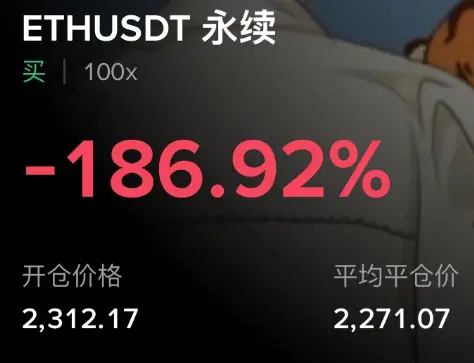
Brothers, tonight’s principal loss is within 2-3%;
If you add the take-profit from Friday’s trades, you can basically achieve break-even;
With all the stop-losses tonight included, that’s the maximum loss of 2-3% of the principal; of course, excluding heavy positions!
If certain positions are opened larger, there will be more, but remember: fortune and misfortune are intertwined—risk and reward are proportional; bigger positions mean you also have to bear a greater risk of taking a stop-loss; if you can’t handle that, then you shouldn’t open with heavy position size;
So setting your own positi
DominanceWillMakeYou
Brothers, tonight’s principal loss is within 2-3%;
If you add the take-profit from Friday’s trades, you can basically achieve break-even;
With all the stop-losses tonight included, that’s the maximum loss of 2-3% of the principal; of course, excluding heavy positions!
If certain positions are opened larger, there will be more, but remember: fortune and misfortune are intertwined—risk and reward are proportional; bigger positions mean you also have to bear a greater risk of taking a stop-loss; if you can’t handle that, then you shouldn’t open with heavy position size;
So setting your own position size is very important;
In the second half of tonight’s live broadcast, we talked a lot about growth on new paths through new journey experiences;
If you start to panic the moment you hit a stop-loss, or you get impulsive the moment you’re profitable;
Then you definitely need to come to Saoge’s live room and grow together with Saoge;
We don’t seek overnight fortune, but instead aim for gradual accumulation—small gains adding up, steady progress, and long-term survival—so you’ll have the chance to keep earning for a long time!
Keep going, Saoge Army—let’s encourage each other!
#WCTC交易王PK
repost-content-media
  • Reward
  • Comment
  • Repost
  • Share
#加密市场行情震荡 - Special Forces Soldier Charged in $410K Insider Trading Scheme on Polymarket
A shocking insider trading scandal has rocked both the U.S. military and the cryptocurrency prediction market world, as federal prosecutors charged a U.S. Army Special Forces soldier with using classified information about the classified military operation to capture Venezuelan President Nicolás Maduro to win over $410,000 in bets on Polymarket.
The Accused:
Gannon Ken Van Dyke, 38, of Fayetteville, North Carolina, an active-duty U.S. Army Special Forces soldier stationed at Fort Bragg, has been indicted b
Falcon_Official
#加密市场行情震荡 - Special Forces Soldier Charged in $410K Insider Trading Scheme on Polymarket
A shocking insider trading scandal has rocked both the U.S. military and the cryptocurrency prediction market world, as federal prosecutors charged a U.S. Army Special Forces soldier with using classified information about the classified military operation to capture Venezuelan President Nicolás Maduro to win over $410,000 in bets on Polymarket.
The Accused:
Gannon Ken Van Dyke, 38, of Fayetteville, North Carolina, an active-duty U.S. Army Special Forces soldier stationed at Fort Bragg, has been indicted by the Department of Justice for allegedly transforming classified military intelligence into personal profit through crypto-powered prediction markets.
Operation Absolute Resolve:
Van Dyke was directly involved in "Operation Absolute Resolve" - the dangerous January 3, 2026 special forces raid on Maduro's presidential compound in Caracas, Venezuela. The covert operation resulted in Maduro's capture and extradition to New York to face federal drug-trafficking charges, conducted under heavy fire during an overnight mission.
The Betting Scheme:
According to federal prosecutors, Van Dyke allegedly:
Timeline of Events:
- December 26, 2025: Created a Polymarket account and funded it
- December 8, 2025 - January 6, 2026: Involved in planning and execution of Operation Absolute Resolve
- Pre-raid period: Placed approximately 13 bets totaling over $32,000
- Betting positions: Took "Yes" positions on wagers including "U.S. Forces being in Venezuela" and "Maduro being out by January 31, 2026"
- Post-capture: Won over $410,000 in profits
- January 6, 2026: Allegedly requested Polymarket delete his account, falsely claiming lost email access
The Charges:
The Justice Department has charged Van Dyke with:
- Using classified information for personal financial gain
- Violating duty of trust and confidence
- Insider trading on nonpublic military intelligence
- Attempting to conceal his identity as the trader
Key Allegations:
Federal prosecutors allege Van Dyke "possessed material nonpublic information about that operation at the time of each and every trade he placed in Maduro- and Venezuela-related markets." This information was received "under a duty of trust and confidence to maintain the confidentiality of such classified information and to not use it for personal matters or gain."
President Trump's Response:
When asked about the Van Dyke case at the White House, President Trump drew a comparison to baseball's Pete Rose scandal, likening the soldier's wagers to "Pete Rose betting on his own team" - a reference to the famous case of a player/manager betting on games he was directly involved in.
Polymarket's Involvement:
Polymarket, the crypto-powered prediction market platform where the alleged bets were placed, has become increasingly popular for wagering on real-world events, from election outcomes to geopolitical developments. The platform allows users to bet on the outcome of future events using cryptocurrency.
Federal Investigation:
CNN reported that federal prosecutors had been investigating the suspicious Maduro trades since last month. The chiefs of the securities and commodity fraud unit at the U.S. Attorney's Office in Manhattan met with Polymarket representatives to discuss the unusual trading patterns.
The Broader Context:
This case raises serious questions about:
- Security clearance protocols in the age of crypto prediction markets
- Insider trading laws as applied to decentralized betting platforms
- Military personnel access to financial markets while involved in classified operations
- The intersection of national security and personal financial gain
Legal Implications:
The Van Dyke case represents a novel application of insider trading laws to prediction markets and military classified information. Federal prosecutors are treating the use of classified military intelligence for betting purposes as a serious breach of national security and fiduciary duty.
Previous Maduro Betting Controversy:
The case follows an earlier controversy where gamblers who placed wagers totaling $10.5 million on Polymarket regarding a U.S. invasion of Venezuela were angered when the capture of Maduro was deemed not to qualify for payout under the market's specific terms, highlighting the complex legal and ethical landscape of prediction markets.
National Security Concerns:
The scandal has triggered concerns about:
- Compromised operational security
- Potential for classified information leaks for profit
- Vulnerability of military personnel to financial temptation
- Need for enhanced monitoring of prediction market activities
Military Response:
The U.S. Army and Special Forces community face questions about how a soldier involved in a highly classified operation was able to access prediction markets and place substantial bets without triggering internal security alerts.
Regulatory Scrutiny:
The case is likely to increase regulatory attention on:
- Prediction markets and their users
- Cryptocurrency platforms facilitating event betting
- Insider trading in non-traditional markets
- Cross-border enforcement of securities laws
The Aftermath:
Van Dyke's arrest marks a significant moment in the evolution of insider trading law, extending traditional securities fraud concepts to the emerging world of crypto prediction markets. The case demonstrates how classified government information can be monetized through decentralized financial platforms, creating new challenges for national security and market integrity.
What's Next:
The prosecution of Van Dyke will test the boundaries of insider trading law and establish precedents for how classified information cases are handled in the context of blockchain-based prediction markets. The outcome could reshape both military security protocols and the regulatory framework surrounding crypto betting platforms.
The scandal serves as a stark reminder that in the digital age, even the most sensitive military operations can become fodder for financial speculation - with potentially serious legal consequences for those who attempt to profit from their privileged access to classified information.
#USMilitaryMaduroBettingScandal
repost-content-media
  • Reward
  • Comment
  • Repost
  • Share
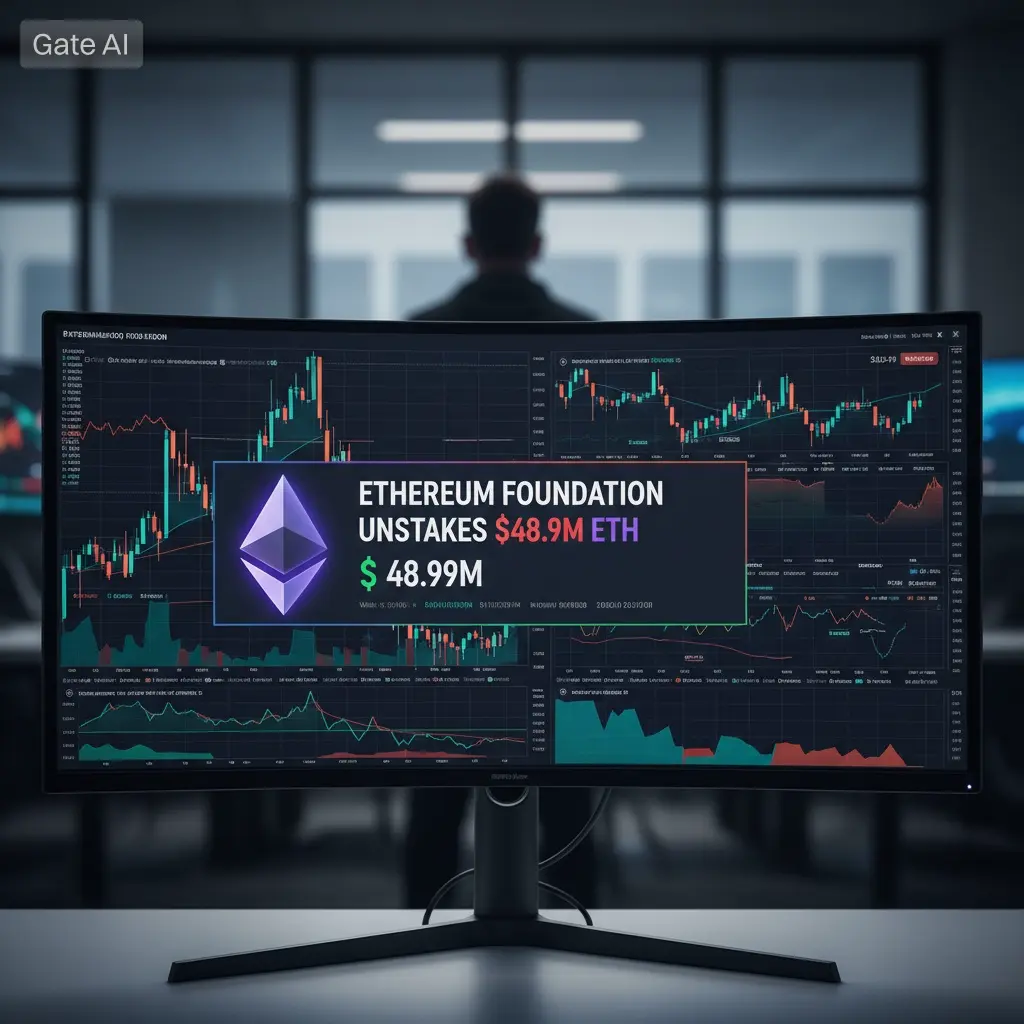
#EthereumFoundationUnstakes$48.9METH
The decision by the Ethereum Foundation to unstake a significant portion of its ETH—valued at approximately $48.9 million—has immediately captured the attention of the global crypto market. Moves of this scale are never viewed in isolation, especially when they come from an entity so deeply connected to the long-term vision and development of Ethereum. This is not just a transaction; it is a signal, and as always in crypto, signals are interpreted through multiple lenses—strategic, technical, psychological, and macroeconomic.
At first glance, the act of u
Ruichen
#EthereumFoundationUnstakes$48.9METH
The decision by the Ethereum Foundation to unstake a significant portion of its ETH—valued at approximately $48.9 million—has immediately captured the attention of the global crypto market. Moves of this scale are never viewed in isolation, especially when they come from an entity so deeply connected to the long-term vision and development of Ethereum. This is not just a transaction; it is a signal, and as always in crypto, signals are interpreted through multiple lenses—strategic, technical, psychological, and macroeconomic.
At first glance, the act of unstaking may appear straightforward. After all, staking mechanisms are designed to be flexible, allowing participants to lock and unlock assets based on their needs. However, when the Ethereum Foundation makes such a move, the implications extend far beyond operational liquidity. The Foundation is not a typical market participant—it is a steward of the ecosystem, a long-term builder, and a symbol of Ethereum’s core philosophy. Any shift in its asset positioning naturally triggers deeper analysis about intent, timing, and potential downstream effects.
One of the most immediate questions that arises is whether this unstaking indicates a shift in sentiment. Markets are highly sensitive to perceived insider behavior, and large movements from foundational entities can influence short-term narratives. Some participants may interpret this as a potential signal of caution, assuming that the Foundation is preparing for market volatility or reallocating resources in anticipation of changing conditions. Others may see it as a neutral or even positive development, reflecting operational efficiency, funding for ecosystem growth, or strategic redeployment of capital.
To understand the move more clearly, it is essential to consider the broader context in which it is occurring. The crypto market, and particularly Ethereum, is currently navigating a complex environment shaped by institutional adoption, regulatory evolution, and ongoing technological upgrades. Staking has become a central component of Ethereum’s post-merge identity, transforming it from a proof-of-work network into a proof-of-stake system. This shift has introduced new dynamics around liquidity, yield generation, and validator participation.
Unstaking, in this context, does not necessarily equate to selling. It simply converts staked ETH back into liquid ETH, which can then be used for a variety of purposes. These may include funding development initiatives, supporting ecosystem projects, covering operational costs, or even strategic diversification. The distinction between unstaking and selling is critical, yet often overlooked in initial market reactions.
From a technical perspective, large-scale unstaking events can have short-term effects on market liquidity and sentiment. When a substantial amount of ETH becomes liquid, it increases the potential supply available for trading. This can create downward pressure if accompanied by actual selling, or it can remain neutral if the assets are held or redeployed within the ecosystem. The key factor is not the unstaking itself, but what follows.
Market psychology plays a powerful role in how such events are interpreted. In a highly reactive environment, traders often move ahead of confirmation, pricing in potential outcomes before they materialize. This can lead to increased volatility, as speculation drives rapid shifts in sentiment. Short-term traders may view the event as an opportunity to position for downside risk, while long-term investors may remain focused on Ethereum’s fundamentals and broader trajectory.
It is also important to consider the role of institutional behavior in shaping market dynamics. Ethereum has increasingly become a target for institutional investment, with large entities viewing it not just as a speculative asset, but as a foundational layer for decentralized applications, finance, and digital infrastructure. Institutional participants tend to operate with longer time horizons and more structured strategies, which can help stabilize markets during periods of uncertainty.
In this context, the Ethereum Foundation’s actions are likely aligned with long-term objectives rather than short-term market timing. The Foundation has consistently demonstrated a commitment to supporting the ecosystem, funding research, and enabling innovation. Unstaking funds may simply provide the flexibility needed to continue these efforts at scale.
Another layer to consider is the ongoing evolution of Ethereum’s technological roadmap. The network continues to undergo upgrades aimed at improving scalability, efficiency, and user experience. Developments in Layer 2 solutions, rollups, and data availability are transforming how Ethereum operates and how it is used. These advancements require significant resources, and the Foundation plays a central role in facilitating their progress.
From this perspective, unstaking can be seen as a mechanism to unlock resources that can be reinvested into the network’s future. Rather than signaling weakness, it may reflect confidence in Ethereum’s ability to grow and adapt. By maintaining flexibility in its asset allocation, the Foundation ensures that it can respond effectively to emerging opportunities and challenges.
The broader market environment also influences how such events are perceived. In periods of bullish momentum, large transactions may be absorbed with minimal disruption, as strong demand offsets any increase in supply. In more cautious or uncertain conditions, the same transactions can have a more pronounced impact, amplifying volatility and shaping short-term trends.
Ethereum’s position within the crypto ecosystem adds another dimension to this discussion. As the leading platform for decentralized applications, smart contracts, and DeFi, Ethereum serves as a backbone for a wide range of activities. Its performance influences not only its own holders, but also the countless projects and tokens built on its infrastructure. As a result, any significant movement involving ETH can have ripple effects across the entire ecosystem.
It is also worth noting that transparency is a defining feature of blockchain-based systems. Transactions, including staking and unstaking, are visible on-chain, allowing participants to monitor activity in real time. While this transparency is a strength, it also means that large movements are immediately scrutinized and often overanalyzed. The challenge lies in distinguishing meaningful signals from routine operations.
In analyzing this event, it is crucial to avoid oversimplification. The crypto market thrives on narratives, but not all narratives accurately reflect underlying realities. A single transaction, even one of significant size, does not define the trajectory of an entire network. It is one piece of a much larger puzzle, which includes technological progress, adoption trends, regulatory developments, and macroeconomic factors.
Looking ahead, the key question is not whether the Ethereum Foundation has unstaked ETH, but how the market integrates this information into its broader understanding of Ethereum’s future. Will it trigger short-term volatility? Possibly. Will it alter the long-term fundamentals of Ethereum? Unlikely.
The resilience of Ethereum lies in its ecosystem—its developers, its users, and its continuous innovation. These elements remain intact, regardless of individual transactions. As the network continues to evolve, its value proposition extends beyond price movements, encompassing utility, scalability, and real-world application.
For traders and investors, the event serves as a reminder of the importance of context. Reacting to headlines without deeper analysis can lead to misinformed decisions. Understanding the mechanics of staking, the role of the Foundation, and the broader market environment provides a more balanced perspective.
In conclusion, the unstaking of $48.9 million worth of ETH by the Ethereum Foundation is a significant event, but not necessarily a negative one. It reflects the dynamic nature of asset management within a rapidly evolving ecosystem. Whether viewed as a strategic adjustment, an operational necessity, or a neutral action, it underscores the complexity of interpreting market signals in the crypto space.
As always, the true impact will be determined not by the action itself, but by what follows—how the funds are utilized, how the market responds, and how Ethereum continues to advance in the face of changing conditions.
Because in a market driven by both data and perception, understanding the difference between movement and meaning is what separates reaction from strategy.
repost-content-media
  • Reward
  • Comment
  • Repost
  • Share
#AaveLaunchesrsETHRecoveryPlan
In the rapidly evolving landscape of decentralized finance, moments of disruption often become defining tests of resilience, credibility, and long-term vision. The announcement that Aave has launched a structured recovery plan for rsETH is one such moment—an inflection point where risk management, governance, and market confidence intersect. This is not just a technical response to a protocol-level challenge; it is a strategic demonstration of how mature DeFi ecosystems respond under pressure.
At its core, the situation surrounding rsETH is a reflection of the
Ruichen
#AaveLaunchesrsETHRecoveryPlan
In the rapidly evolving landscape of decentralized finance, moments of disruption often become defining tests of resilience, credibility, and long-term vision. The announcement that Aave has launched a structured recovery plan for rsETH is one such moment—an inflection point where risk management, governance, and market confidence intersect. This is not just a technical response to a protocol-level challenge; it is a strategic demonstration of how mature DeFi ecosystems respond under pressure.
At its core, the situation surrounding rsETH is a reflection of the complexities that come with innovation. Liquid staking derivatives, rehypothecation layers, and composability have unlocked unprecedented capital efficiency within DeFi. However, they have also introduced intricate dependencies between protocols, assets, and liquidity pools. When one component experiences stress, the ripple effect can cascade through interconnected systems. The rsETH issue is not an isolated glitch—it is a reminder of how tightly woven the modern DeFi infrastructure has become.
Aave’s response, therefore, carries weight far beyond the immediate recovery mechanism. It represents a blueprint for how leading protocols approach crisis management in a decentralized environment. Unlike traditional financial systems, where decisions are often centralized and opaque, DeFi operates on transparency, community governance, and open execution. This means that every action taken is visible, debated, and ultimately judged by the market in real time.
The recovery plan itself is designed with a multi-layered approach, focusing on stabilizing liquidity, restoring confidence, and ensuring long-term sustainability. Rather than opting for a reactive or short-term fix, Aave appears to be prioritizing structural integrity. This involves assessing collateral positions, managing liquidation risks, and rebalancing exposure across affected assets. The objective is not merely to resolve the immediate issue, but to prevent similar vulnerabilities from emerging in the future.
One of the most critical elements in this process is communication. In times of uncertainty, clarity becomes a form of stability. By outlining the recovery strategy in a transparent and detailed manner, Aave is reinforcing trust within its user base. This is particularly important in DeFi, where confidence can shift rapidly and liquidity can move just as quickly. A well-communicated plan not only informs participants but also aligns expectations, reducing the likelihood of panic-driven reactions.
Market psychology plays a significant role in shaping the outcome of such events. When users perceive that a protocol is in control of the situation, they are more likely to remain engaged rather than withdraw liquidity. Conversely, uncertainty or lack of direction can trigger defensive behavior, amplifying the impact of the initial issue. Aave’s proactive stance suggests an understanding of this dynamic, aiming to anchor sentiment before volatility escalates.
Another layer to consider is the broader implication for liquid staking ecosystems. Assets like rsETH are part of a growing trend that seeks to maximize capital efficiency by allowing staked assets to remain productive across multiple layers of DeFi. While this innovation has driven significant growth, it also requires robust risk management frameworks. The current situation highlights the importance of stress-testing these systems under extreme conditions and ensuring that safeguards are in place.
From a technical perspective, the recovery plan likely involves recalibrating risk parameters, adjusting collateral factors, and potentially introducing temporary measures to stabilize markets. These actions must be carefully balanced to avoid unintended consequences. Overly aggressive interventions could disrupt normal market functioning, while insufficient measures may fail to restore stability. Achieving this balance is one of the defining challenges of decentralized governance.
It is also important to recognize the role of governance participants in shaping the outcome. Aave’s decentralized structure means that key decisions are influenced by token holders and community stakeholders. This collective decision-making process adds both strength and complexity. On one hand, it ensures that multiple perspectives are considered; on the other, it requires coordination and consensus-building, which can take time. The effectiveness of the recovery plan will depend not only on its design but also on the community’s ability to execute it cohesively.
The impact of this event extends beyond Aave itself. As one of the leading DeFi protocols, its actions set precedents that other platforms observe and learn from. A successful recovery could reinforce confidence in the entire DeFi sector, demonstrating that decentralized systems are capable of managing risk and adapting to challenges. Conversely, missteps could raise broader concerns about systemic vulnerabilities within interconnected protocols.
Liquidity dynamics are another crucial factor. In DeFi, liquidity is both a resource and a signal. Stable liquidity indicates confidence, while sudden withdrawals can signal distress. Aave’s strategy appears to focus on maintaining and stabilizing liquidity pools, ensuring that users retain access to their assets while preventing abrupt imbalances. This approach helps to smooth out volatility and create a more controlled recovery environment.
The concept of resilience is central to understanding this moment. True resilience is not the absence of challenges, but the ability to respond effectively when they arise. In traditional finance, resilience is often built through regulation and centralized oversight. In DeFi, it emerges from transparency, community engagement, and adaptive protocols. Aave’s recovery plan is, in many ways, a test of this decentralized resilience.
At a broader level, this situation underscores the importance of continuous evolution within DeFi. As the ecosystem grows more complex, so too must its risk management strategies. Static models are no longer sufficient; protocols must be dynamic, capable of adjusting to changing conditions and learning from real-world events. The rsETH recovery effort is part of this ongoing process of refinement.
---
🏆 DeFi Power Leaderboard — Who’s Leading the Recovery Narrative
In moments like these, influence within the ecosystem becomes more visible. A new kind of leaderboard emerges—not based on price performance, but on leadership, response, and strategic impact:
1— Aave
At the center of the situation, demonstrating leadership through structured recovery planning and transparent communication.
2— Liquid Staking Ecosystems
Directly connected to rsETH dynamics, shaping the future of capital efficiency and staking innovation.
3— Governance Participants
Driving decision-making through proposals, voting, and strategic direction.
4— DeFi Risk Managers
Analyzing vulnerabilities and designing frameworks to prevent future disruptions.
5— Liquidity Providers
Acting as the backbone of stability, maintaining confidence through continued participation.
6— Smart Contract Developers
Building and refining the infrastructure that supports complex financial interactions.
7— Institutional Observers
Evaluating DeFi’s ability to handle stress as part of broader adoption considerations.
8— Cross-Protocol Integrations
Highlighting the interconnected nature of DeFi and the importance of coordination.
9— Security Auditors
Ensuring that vulnerabilities are identified and addressed proactively.
10— The Global DeFi Community
Providing feedback, support, and accountability in real time.
As the recovery plan unfolds, attention will shift from announcement to execution. The real test lies in how effectively the proposed measures are implemented and how the market responds over time. Success will not be defined solely by immediate stabilization, but by the restoration of confidence and the strengthening of the system against future shocks.
Looking ahead, the lessons learned from this event will likely influence the design of future protocols, risk models, and governance frameworks. Each challenge faced by the DeFi ecosystem contributes to its maturation, pushing it closer to becoming a robust alternative to traditional financial systems.
In conclusion, the launch of the rsETH recovery plan by Aave is more than a response to a specific issue—it is a demonstration of how decentralized systems can adapt, coordinate, and evolve under pressure. It highlights the strengths of transparency and community governance while also revealing the complexities of managing interconnected financial networks.
The path forward will require patience, precision, and continued collaboration. But if executed effectively, this moment could become a milestone—not for the problem it addressed, but for the way it was solved.
Because in DeFi, leadership is not defined by avoiding challenges.
It is defined by how you rise when they appear.
repost-content-media
  • Reward
  • Comment
  • Repost
  • Share
#TopCopyTradingScout
🎯 Executive Overview
The rise of copy trading has transformed the way individuals participate in financial markets. What was once limited to experienced traders is now accessible to anyone with the right strategy and mindset. At the center of this evolution are elite performers—Top Copy Trading Scouts—who don’t just trade for themselves but influence entire communities through their decisions. These individuals represent a new category of market participants: disciplined, data-driven, and highly consistent.
Platforms like Gate.io have accelerated this movement by creati
Ruichen
#TopCopyTradingScout
🎯 Executive Overview
The rise of copy trading has transformed the way individuals participate in financial markets. What was once limited to experienced traders is now accessible to anyone with the right strategy and mindset. At the center of this evolution are elite performers—Top Copy Trading Scouts—who don’t just trade for themselves but influence entire communities through their decisions. These individuals represent a new category of market participants: disciplined, data-driven, and highly consistent.
Platforms like Gate.io have accelerated this movement by creating ecosystems where traders can showcase performance, attract followers, and scale their strategies. The result is a competitive environment where only the most consistent and strategic traders rise to the top.
📊 What Is a Top Copy Trading Scout?
A Top Copy Trading Scout is not simply a profitable trader. It is someone who:
Maintains consistent returns over time
Demonstrates strong risk management
Builds trust among followers
Adapts to changing market conditions
Operates with transparency and discipline
These traders are evaluated not just on profit, but on sustainability and reliability.
🧠 Core Traits of Top Performers
1. Discipline Over Emotion
Top scouts do not chase trades. They follow structured strategies and avoid impulsive decisions, even during volatile conditions.
2. Risk Management First
Capital protection is always prioritized. Position sizing, stop-loss usage, and exposure limits define their approach.
3. Consistency Over Hype
Rather than aiming for massive short-term gains, they focus on steady, repeatable performance.
4. Adaptability
Markets change—and top traders adjust. Whether it’s bullish momentum or sideways consolidation, they evolve their strategy accordingly.
📈 Performance Metrics That Matter
To reach the top, scouts must excel in key performance indicators:
ROI (Return on Investment)
Maximum Drawdown
Win Rate
Risk-Reward Ratio
Trade Frequency
Portfolio Stability
Consistency across these metrics separates elite traders from average participants.
🔍 How the Leaderboard Works
The leaderboard is not just a ranking—it’s a reflection of real-time performance and discipline.
🏆 Top 10 Copy Trading Leaderboard Structure
The Dominator
Highest consistency, strong ROI, minimal drawdown. Sets the benchmark.
The Strategist
Balanced approach with precise entries and exits.
The Risk Controller
Exceptional capital preservation and steady gains.
The Momentum Rider
Excels in trending markets with calculated aggression.
The Swing Master
Captures mid-term opportunities with strong timing.
The Scalping Expert
High-frequency trades with tight risk control.
The Recovery Specialist
Ability to bounce back from drawdowns effectively.
The Adaptive Trader
Switches strategies based on market conditions.
The Consistency Builder
Stable performance with low volatility.
The Rising Star
Emerging trader showing strong potential and growth.
💡 Why Copy Trading Is Growing
Several factors are driving the rapid adoption of copy trading:
Accessibility for beginners
Time efficiency for busy investors
Transparency through performance tracking
Ability to learn from experienced traders
Diversification of strategies
This model bridges the gap between professional trading and everyday investors.
⚙️ Strategy Framework Used by Top Scouts
Top traders don’t rely on luck—they follow structured systems:
Market Analysis
Technical indicators
Price action patterns
Volume analysis
Execution
Planned entries and exits
Stop-loss discipline
Risk-reward optimization
Review
Performance tracking
Strategy refinement
Continuous learning
⚠️ Common Mistakes Followers Make
Even with top traders, followers can lose if they:
Over-allocate capital
Ignore risk settings
Copy too many traders at once
Exit trades emotionally
Expect unrealistic returns
Copy trading is powerful—but it still requires responsibility.
🔮 Future of Copy Trading
The future is evolving rapidly:
AI-driven strategy optimization
Improved transparency tools
Institutional participation
Cross-platform integrations
Advanced risk management systems
Copy trading is moving toward becoming a core component of digital finance.
🚀 Final Takeaway
Top Copy Trading Scouts represent the next generation of market leadership. They combine skill, discipline, and consistency to create value not just for themselves, but for entire communities.
The leaderboard is not about luck.
It is about:
Strategy
Patience
Execution
Control
And most importantly
Consistency over time.
repost-content-media
  • Reward
  • Comment
  • Repost
  • Share
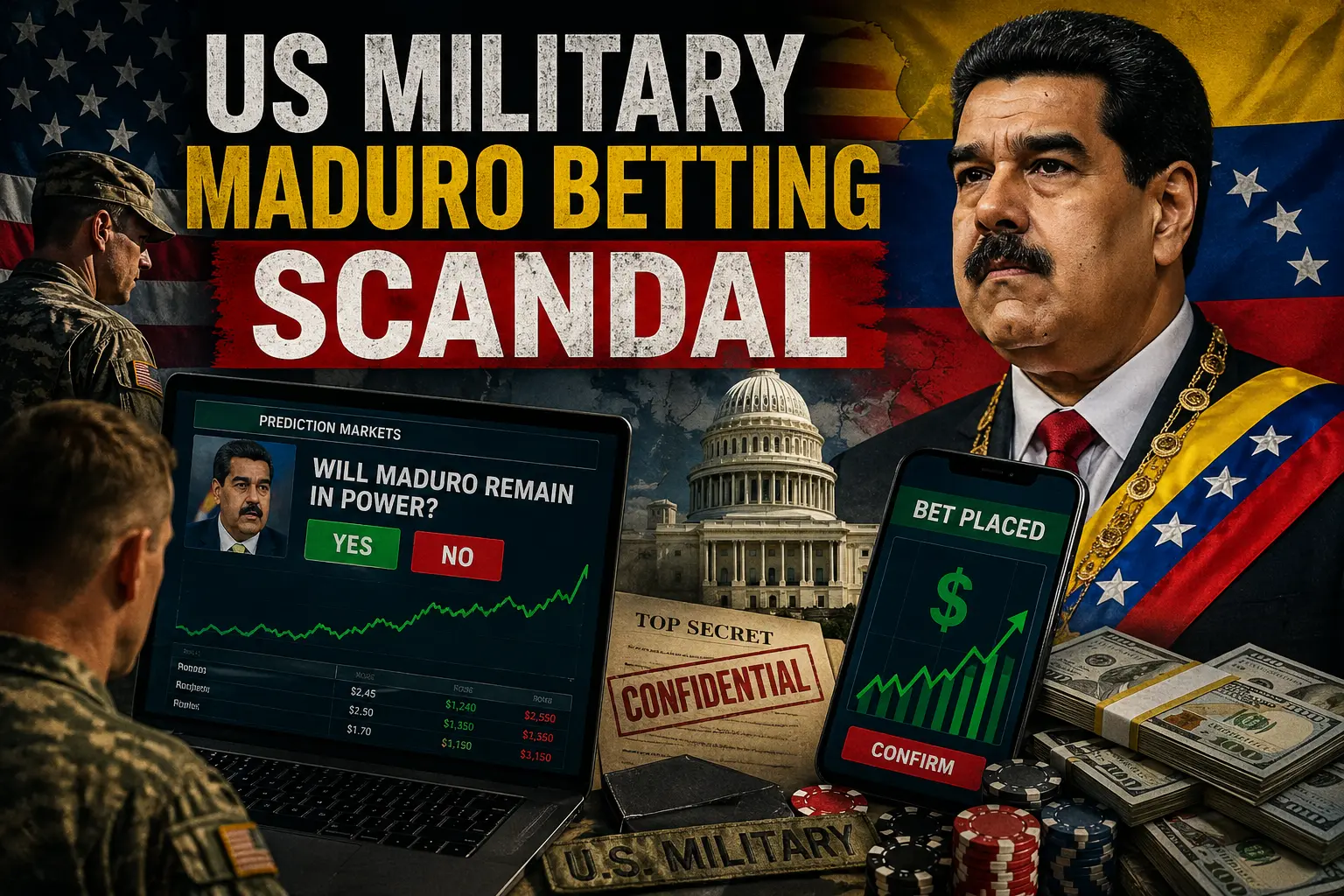
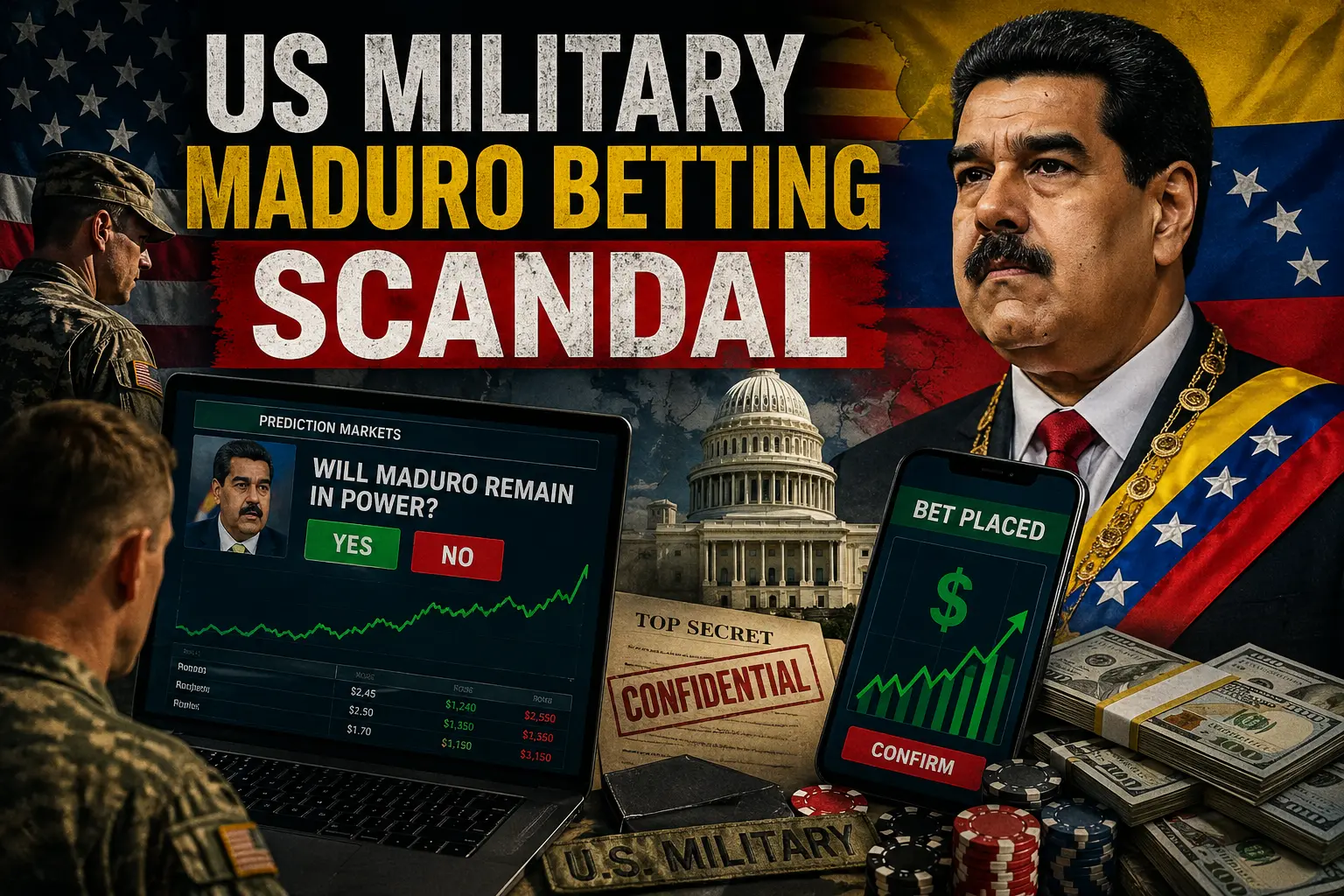
#USMilitaryMaduroBettingScandal
In an era where information travels faster than verification and narratives can form before facts fully emerge, the phrase “US Military Maduro Betting Scandal” immediately captures attention and raises serious questions. Any situation that appears to connect elements of the United States Armed Forces with political figures such as Nicolás Maduro carries significant weight, not just because of the individuals or institutions involved, but because of what such a connection could imply about accountability, ethics, and the boundaries of professional conduct. ⚖️
A
Ruichen
#USMilitaryMaduroBettingScandal
In an era where information travels faster than verification and narratives can form before facts fully emerge, the phrase “US Military Maduro Betting Scandal” immediately captures attention and raises serious questions. Any situation that appears to connect elements of the United States Armed Forces with political figures such as Nicolás Maduro carries significant weight, not just because of the individuals or institutions involved, but because of what such a connection could imply about accountability, ethics, and the boundaries of professional conduct. ⚖️
At its core, a situation described as a “betting scandal” suggests potential misconduct tied to financial speculation or wagering behavior, possibly intersecting with sensitive political or military contexts. However, it is critical to approach such narratives with a measured perspective. In high-stakes environments like military institutions or international politics, even unverified claims can quickly escalate into widespread discourse. The challenge lies in separating speculation from substantiated information, especially when headlines are designed to provoke immediate reactions. 📊
The idea of any form of betting or speculative activity linked to military personnel introduces complex ethical considerations. Military institutions operate on principles of discipline, neutrality, and strict adherence to codes of conduct. Activities that could compromise judgment, create conflicts of interest, or undermine operational integrity are taken extremely seriously. If such allegations were to be substantiated, they would raise questions not only about individual actions but also about systemic oversight and internal controls. 🛡️
On the political side, the mention of Nicolás Maduro brings an additional layer of geopolitical sensitivity. Venezuela’s political landscape has been a focal point of international attention for years, shaped by economic challenges, diplomatic tensions, and differing global perspectives. Any narrative that appears to connect external military actors with internal political dynamics naturally attracts scrutiny, as it touches on issues of sovereignty, influence, and international relations. 🌍
One of the most important aspects of analyzing a situation like this is understanding how narratives are constructed in the modern information environment. Social media platforms, online forums, and rapid news cycles create conditions where partial information can spread widely before it is verified. In some cases, narratives gain momentum simply because they are repeated, not because they are confirmed. This highlights the importance of relying on credible sources and verified reporting when assessing the validity of such claims. 📢
At the same time, the concept of betting or speculative markets tied to political outcomes is not entirely new. Prediction markets, for example, have long been used in various contexts to gauge expectations about elections, economic trends, or geopolitical developments. However, when such activities intersect with official roles—especially within military or governmental institutions—the implications become far more serious. The distinction between independent speculation and involvement that could influence decision-making is critical. 💼
From a governance perspective, institutions like the United States Armed Forces are structured with multiple layers of oversight designed to prevent misconduct. These include internal review mechanisms, legal frameworks, and accountability systems that address any deviations from established standards. If a situation arises that challenges these standards, it typically triggers formal investigations aimed at establishing facts, determining responsibility, and implementing corrective measures where necessary. 🔍
Public perception also plays a powerful role in shaping the impact of such narratives. Even in the absence of confirmed wrongdoing, the association of certain keywords—military, politics, scandal—can influence how audiences interpret events. This can lead to reputational challenges that extend beyond the immediate situation, affecting trust and credibility. Managing this perception requires clear communication, transparency, and timely clarification from relevant authorities. 🧭
Another dimension to consider is the broader geopolitical context. Relations between the United States and Venezuela have historically been complex, involving diplomatic disagreements, economic sanctions, and differing political ideologies. Any narrative that appears to link these two entities in an unconventional or controversial manner is likely to be analyzed through the lens of existing tensions. This adds layers of interpretation that may not always align with the underlying facts. ⚡
In situations like this, it is also important to examine the potential motivations behind the spread of certain narratives. Information can be amplified for various reasons, including political agendas, misinformation campaigns, or simply the pursuit of attention in a crowded media landscape. Understanding these dynamics helps in evaluating the credibility of the information and avoiding premature conclusions. 🧠
The role of investigative processes cannot be overstated. When allegations of misconduct arise, particularly in sensitive domains, formal investigations are essential for establishing clarity. These processes are designed to gather evidence, assess credibility, and provide conclusions based on facts rather than speculation. While such investigations may take time, they are crucial for ensuring that any response is grounded in verified information. 🕵️‍♂️
At the same time, the public’s demand for immediate answers often creates pressure for quick conclusions. This tension between speed and accuracy is a defining feature of the modern information environment. While timely updates are important, they must be balanced with the need for thorough verification. Rushing to judgment can lead to misinformation, which can be difficult to correct once it has spread widely. ⏳
From a broader perspective, situations labeled as scandals often serve as reminders of the importance of ethical standards and accountability. Whether the allegations are ultimately confirmed or disproven, they highlight the need for clear boundaries, strong oversight, and a culture of integrity within institutions. These principles are essential for maintaining public trust and ensuring that organizations operate effectively. 🏛️
It is also worth noting that not every narrative that gains traction reflects reality. In many cases, initial reports may be incomplete, misinterpreted, or even inaccurate. As more information becomes available, the understanding of the situation can change significantly. This underscores the importance of maintaining a critical perspective and being open to updated information as it emerges. 🔄
In analyzing a topic like the “US Military Maduro Betting Scandal,” the focus should remain on facts, context, and responsible interpretation. Sensational language may capture attention, but it does not necessarily provide clarity. A balanced approach that considers multiple perspectives and prioritizes verified information is essential for meaningful understanding. 📘
As the situation continues to evolve, the key questions will revolve around verification and accountability. Are the claims supported by credible evidence? What actions, if any, have been taken by relevant authorities? How are institutions responding to address concerns and maintain transparency? These are the questions that ultimately shape the outcome and determine the broader implications. ❓
In conclusion, the narrative surrounding this alleged scandal reflects the complexities of the modern information landscape, where perception and reality can sometimes diverge. It highlights the importance of careful analysis, responsible communication, and a commitment to truth. Whether the story proves to be a significant issue or a case of misinterpretation, the process of examining it offers valuable insights into how information, institutions, and public perception interact in today’s interconnected world. 🌐
The real takeaway is not just about the headline itself, but about how we engage with such headlines—how we question, verify, and interpret them before forming conclusions. Because in a world driven by rapid information flow, clarity is not just valuable—it is essential. 💡
repost-content-media
  • Reward
  • Comment
  • Repost
  • Share
#USMilitaryMaduroBettingScandal
In an era where information travels faster than verification and narratives can form before facts fully emerge, the phrase “US Military Maduro Betting Scandal” immediately captures attention and raises serious questions. Any situation that appears to connect elements of the United States Armed Forces with political figures such as Nicolás Maduro carries significant weight, not just because of the individuals or institutions involved, but because of what such a connection could imply about accountability, ethics, and the boundaries of professional conduct. ⚖️
A
post-image
post-image
  • Reward
  • 17
  • 2
  • Share
SoominStar:
DYOR 🤓
View More
#TopCopyTradingScout
🎯 Executive Overview
The rise of copy trading has transformed the way individuals participate in financial markets. What was once limited to experienced traders is now accessible to anyone with the right strategy and mindset. At the center of this evolution are elite performers—Top Copy Trading Scouts—who don’t just trade for themselves but influence entire communities through their decisions. These individuals represent a new category of market participants: disciplined, data-driven, and highly consistent.
Platforms like Gate.io have accelerated this movement by creati
post-image
  • Reward
  • 10
  • 2
  • Share
SoominStar:
1000x VIbes 🤑
View More
#AaveLaunchesrsETHRecoveryPlan
In the rapidly evolving landscape of decentralized finance, moments of disruption often become defining tests of resilience, credibility, and long-term vision. The announcement that Aave has launched a structured recovery plan for rsETH is one such moment—an inflection point where risk management, governance, and market confidence intersect. This is not just a technical response to a protocol-level challenge; it is a strategic demonstration of how mature DeFi ecosystems respond under pressure.
At its core, the situation surrounding rsETH is a reflection of the
post-image
  • Reward
  • 12
  • 2
  • Share
SoominStar:
1000x VIbes 🤑
View More
#EthereumFoundationUnstakes$48.9METH
The decision by the Ethereum Foundation to unstake a significant portion of its ETH—valued at approximately $48.9 million—has immediately captured the attention of the global crypto market. Moves of this scale are never viewed in isolation, especially when they come from an entity so deeply connected to the long-term vision and development of Ethereum. This is not just a transaction; it is a signal, and as always in crypto, signals are interpreted through multiple lenses—strategic, technical, psychological, and macroeconomic.
At first glance, the act of u
post-image
  • Reward
  • 13
  • 2
  • Share
SoominStar:
Diamond Hands 💎
View More
#CrudeOilPriceRose
Gate Plaza 3/12 — Deep Market Intelligence Report
#原油价格上涨 | Middle East Shock, Energy Stress, and Crypto Liquidity Repricing
Global markets are entering a phase that feels less like a typical cycle and more like a structural recalibration. The recent rise in crude oil prices is not an isolated development tied to a single headline—it is the visible outcome of deeper forces interacting simultaneously. Geopolitical tension, energy infrastructure vulnerability, and global liquidity dynamics are converging in a way that is reshaping how capital moves across asset classes.
This
post-image
  • Reward
  • 9
  • 1
  • Share
SoominStar:
Ape In 🚀
View More
#IranProposesHormuzStraitReopeningTerms
In the world of geopolitics, there are moments that quietly shape history—and then there are moments that send shockwaves across global markets, energy systems, and strategic alliances. The latest development surrounding Strait of Hormuz falls firmly into the second category. As Iran proposes new terms for the reopening of one of the most critical maritime arteries on the planet, the implications stretch far beyond regional politics. This is not just a negotiation—it is a recalibration of power, leverage, and global dependence.
The Strait of Hormuz is
post-image
  • Reward
  • 13
  • 1
  • Share
SoominStar:
To The Moon 🌕
View More
#WHCADinnerShootingIncident
The phrase itself carries a weight that immediately commands attention. The White House Correspondents’ Dinner, long regarded as one of the most prestigious and symbolic gatherings in American public life, has always stood at the intersection of politics, media, and cultural influence. It is traditionally a night of satire, reflection, and carefully balanced humor—a rare space where journalists, policymakers, and public figures share the same room, momentarily stepping away from the intensity of daily political battles. But when an incident involving violence beco
post-image
  • Reward
  • 10
  • 1
  • Share
SoominStar:
To The Moon 🌕
View More
#CryptoMarketsRiseBroadly
The global cryptocurrency market is once again capturing attention, not through isolated surges or short-lived hype, but through a synchronized and broad-based rise that signals something far more powerful beneath the surface. This is not just another rally—it is a coordinated expansion across multiple sectors of the digital asset ecosystem, where capital is flowing with intention, confidence is rebuilding, and momentum is being sustained rather than chased. From large-cap assets to emerging tokens, the market is showing signs of maturity, resilience, and a deeper s
post-image
  • Reward
  • 11
  • 1
  • Share
SoominStar:
To The Moon 🌕
View More
#比特币Breaks79K
BITCOIN SHATTERS $79,000 — A DEFINING MOMENT IN FINANCIAL HISTORY
🎯 Executive Overview
The breakout of Bitcoin above the $79,000 mark is not just another milestone — it is a defining signal that the global financial system is undergoing a structural transformation.
This move represents more than price appreciation. It reflects:
The acceleration of institutional capital into digital assets
The weakening confidence in traditional monetary systems
The rise of decentralized financial infrastructure
A generational shift in how value is stored and transferred
From being dismissed as
BTC-1.72%
post-image
  • Reward
  • 12
  • 1
  • Share
SoominStar:
DYOR 🤓
View More
#WCTCTradingKingPK
In the world of trading, there are participants… and then there are contenders. And once in a while, a rare group rises above the noise — a group that doesn’t just follow the market but shapes its rhythm. Welcome to the arena of WCTCTradingKingPK, where precision meets patience, and discipline transforms into dominance.
This is not just another leaderboard. This is a battlefield of intellect, risk control, emotional mastery, and strategic execution. Every position taken here carries intention. Every move reflects experience. And every name that enters the Top 10 earns its
post-image
  • Reward
  • 14
  • 1
  • Share
SoominStar:
LFG 🔥
View More
#WHCADinnerShootingIncident When I first came across the phrase #WHCADinnerShootingIncident, it didn’t feel like just another headline it felt like a moment that forces you to pause and reflect. Incidents like these carry a different kind of weight. They’re not about markets, trends, or opportunities. They’re about people, safety, and the fragile nature of environments we often assume are secure.
A setting like a high-profile dinner, especially one associated with political, media, or institutional presence, is usually seen as controlled, organized, and protected. It represents a space where
SoominStar
#WHCADinnerShootingIncident When I first came across the phrase #WHCADinnerShootingIncident, it didn’t feel like just another headline it felt like a moment that forces you to pause and reflect. Incidents like these carry a different kind of weight. They’re not about markets, trends, or opportunities. They’re about people, safety, and the fragile nature of environments we often assume are secure.
A setting like a high-profile dinner, especially one associated with political, media, or institutional presence, is usually seen as controlled, organized, and protected. It represents a space where influence, conversation, and public image intersect. So when something disruptive and violent breaks into that kind of environment, it doesn’t just create shock it creates a deeper sense of unease. It challenges assumptions about safety in places that are meant to symbolize stability.
What stands out in situations like this is how quickly normalcy can shift into uncertainty. One moment, there’s conversation, connection, and routine. The next, there’s confusion, fear, and unanswered questions. That sudden transition is what makes such incidents so impactful. It’s not just about what happened it’s about how quickly everything changed.
I think one of the most important aspects to reflect on is how events like these ripple outward. The immediate impact is always the most visible the people directly involved, the disruption of the event, the response from authorities. But beyond that, there’s a wider psychological effect. People who hear about it begin to question safety in similar environments. There’s a shift in perception that goes beyond the specific incident.
In today’s world, where information spreads almost instantly, incidents like this don’t stay contained. They become part of a larger conversation. Social platforms amplify reactions, news cycles dissect details, and narratives begin to form even before all the facts are fully clear. This rapid flow of information can be both informative and overwhelming at the same time.
From my perspective, one of the challenges in moments like these is separating fact from speculation. Early reports are often incomplete, and assumptions can spread quickly. It becomes important to approach the situation with awareness — to stay informed, but also to remain cautious about jumping to conclusions. Because clarity takes time, and responsible understanding requires patience.
There’s also a deeper layer to consider the human aspect. Behind every headline are real individuals, real experiences, and real consequences. It’s easy to get caught up in the scale or the visibility of an event, especially when it involves high-profile settings, but at its core, it’s about people. Their safety, their reactions, and the impact on their lives.
Moments like these also highlight the importance of preparedness and response. Security, coordination, and quick decision-making play a critical role in how situations unfold and how effectively they are contained. While no system is perfect, the way an incident is handled can significantly influence its overall impact.
At the same time, I think it’s important to recognize that incidents like this don’t define entire systems or environments. They are disruptions, not norms. However, they do serve as reminders reminders that vigilance matters, that safety measures need constant evaluation, and that no setting is completely immune to unexpected events.
Another angle that often comes into focus is how people process such incidents emotionally. For some, it creates fear. For others, it creates concern or curiosity. And for many, it leads to reflection. Why did this happen? Could it have been prevented? What does it mean for similar events in the future? These questions don’t always have immediate answers, but they are part of how people try to make sense of what they’ve seen or heard.
In a broader sense, incidents like also become part of a larger narrative about safety and security in public and semi-public spaces. They contribute to ongoing discussions about how environments are managed, how risks are assessed, and how responses are improved over time. While the event itself may be isolated, the conversations it sparks can lead to longer-term considerations.
I also find it important to look at how quickly people come together in response to such moments. Whether it’s through support, awareness, or simply sharing information, there’s often a collective reaction that emerges. It’s a reminder that even in situations that involve fear or uncertainty, there is also a sense of shared concern and humanity.
At the same time, it’s necessary to be mindful of how narratives are shaped. In high-profile incidents, different perspectives can emerge, and not all of them are accurate or helpful. Staying grounded, focusing on verified information, and avoiding unnecessary amplification of unconfirmed details becomes crucial. Because the way information is shared can influence how the situation is perceived.
From a reflective standpoint, I think moments like these also encourage a kind of awareness that goes beyond the specific event. They make people think about safety in their own environments, about how quickly situations can change, and about the importance of staying attentive without becoming overly anxious. It’s a delicate balance, but an important one.
There’s also something to be said about resilience. While incidents like this can be unsettling, they are also followed by recovery, investigation, and efforts to understand what happened. Systems adapt, measures are reviewed, and steps are taken to reduce the likelihood of similar events in the future. This process, while not always visible, is an essential part of moving forward.
In many ways, #WHCADinnerShootingIncident represents more than just a single moment. It represents a disruption that triggers reflection, conversation, and awareness. It reminds us that even in structured environments, unpredictability exists. But it also reminds us of the importance of response, responsibility, and collective understanding.
As I think about it, one of the most important takeaways is the need for balance in how we react. Staying informed without becoming overwhelmed. Being aware without spreading fear. Understanding the seriousness of the situation while also allowing space for clarity to emerge over time.
Because in a world where information moves fast and reactions move even faster, the ability to stay grounded becomes incredibly valuable.
In the end, incidents like these are not just about what happened in a specific place at a specific time. They are about how people respond, how information is processed, and how awareness evolves. They remind us that while we may not control every situation, we can control how we understand and react to it.
And maybe that’s where the real impact lies not just in the event itself, but in the way it shapes perspective, encourages awareness, and reinforces the importance of staying thoughtful in moments that demand attention. 🕊️⚠️
  • Reward
  • 4
  • Repost
  • Share
SoominStar:
1000x VIbes 🤑
View More
  • Pin