
Futures
Access hundreds of perpetual contracts
TradFi
Gold
One platform for global traditional assets
Options
Hot
Trade European-style vanilla options
Unified Account
Maximize your capital efficiency
Demo Trading
Introduction to Futures Trading
Learn the basics of futures trading
Futures Events
Join events to earn rewards
Demo Trading
Use virtual funds to practice risk-free trading
Launch
CandyDrop
Collect candies to earn airdrops
Launchpool
Quick staking, earn potential new tokens
HODLer Airdrop
Hold GT and get massive airdrops for free
Pre-IPOs
Unlock full access to global stock IPOs
Alpha Points
Trade on-chain assets and earn airdrops
Futures Points
Earn futures points and claim airdrop rewards


More


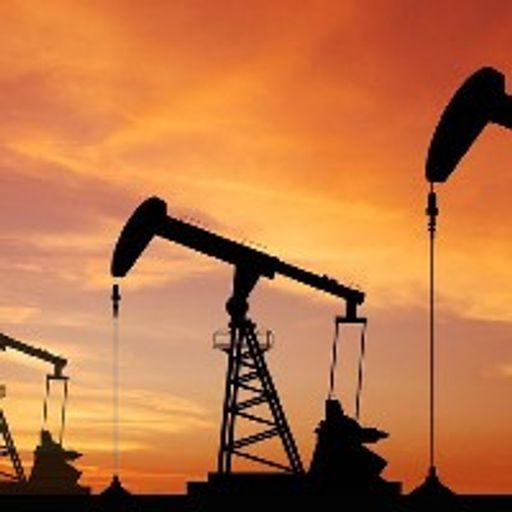

#OilEdgesHigher
#Gate广场四月发帖挑战
“When oil edges higher, it often signals more than a price move—it reflects tightening supply expectations, geopolitical tension, and shifting macro pressure that can ripple across every major asset class.”
The gradual rise in oil prices is becoming a defining macro signal in the current market environment. Unlike sudden spikes driven by shocks, a steady upward trend suggests sustained pressure on supply dynamics and persistent demand strength. One of the key focal points remains the Strait of Hormuz, where even minor disruptions or geopolitical friction can influence a significant portion of global oil flow. This underlying tension continues to add a risk premium to oil prices, supporting the upward movement.
Post Theme: This post analyzes the reasons behind oil edging higher and explores its impact on inflation, monetary policy, and crypto market behavior.
A major driver behind the current trend is supply uncertainty. Geopolitical developments, particularly in energy-sensitive regions, create an environment where markets price in potential disruptions ahead of actual events. This forward-looking behavior causes oil to trend upward gradually rather than react sharply at a single point in time. Even without direct supply cuts, the fear of disruption is enough to sustain upward pressure.
Demand stability is another important factor. Despite global economic uncertainties, energy consumption remains resilient, especially in developing economies and industrial sectors. This steady demand, combined with constrained supply expectations, creates a structural imbalance that supports higher prices. As long as this imbalance persists, oil is likely to maintain its upward bias.
The macroeconomic implications of rising oil prices are significant. Energy costs directly influence inflation by increasing transportation, production, and operational expenses across industries. When oil edges higher, inflation expectations often follow, making central banks more cautious about easing monetary policy. This reduces the likelihood of immediate rate cuts and keeps financial conditions relatively tight, which can affect risk assets including crypto.
From a market sentiment perspective, rising oil prices introduce a complex dynamic. On one hand, they can trigger risk-off behavior as investors become cautious about economic slowdowns and inflation. On the other hand, they can also drive capital into commodities and alternative assets as hedges against inflation. This dual effect makes oil a powerful but nuanced driver of market direction.
The crypto market’s relationship with oil is becoming increasingly macro-driven. Higher oil prices that lead to persistent inflation can initially pressure crypto due to tighter liquidity conditions. However, over time, if inflation erodes confidence in fiat systems, crypto assets may gain traction as alternative stores of value. This creates a two-phase impact where short-term pressure can transition into long-term opportunity.
Capital rotation is another key outcome of rising oil prices. Investors often reallocate funds toward energy sectors and commodities when oil trends upward, temporarily reducing flows into equities and digital assets. However, once oil stabilizes or peaks, capital can rotate back into higher-growth markets, potentially fueling renewed momentum in crypto. Understanding this rotation cycle is essential for strategic positioning.
Looking forward, the sustainability of this upward trend depends largely on geopolitical developments and supply-side stability. Continued tension or disruptions could push oil even higher, reinforcing inflationary pressure and delaying monetary easing. Conversely, any signs of stabilization could cap prices and ease macro concerns, creating a more supportive environment for risk assets.
CONCLUSION: OIL AS A LEADING MACRO SIGNAL
The trend highlights how gradual movements in energy markets can have far-reaching effects across the global financial system. Oil is not just reacting to events—it is anticipating them, making it a leading indicator of broader economic conditions. Participants who understand this dynamic can better interpret market signals and adjust their strategies accordingly.
THEME: Rising oil prices reflect ongoing supply uncertainty and strong demand, influencing inflation, monetary policy, and cross-market capital flows in a complex and evolving macro environment.
#Inflation #MacroTrends #CryptoMarkets