When exploring the Sandbox, users typically zero in on a fundamental question: How does content transition from creation to a tradable asset that generates income? This journey extends beyond simply minting NFTs on the blockchain—it also incorporates market dynamics and user engagement.
This process generally spans five essential stages: asset generation, on-chain authentication, trading and circulation, game operation, and revenue distribution. Together, these building blocks form the comprehensive operational logic of Sandbox.
Sandbox Workflow Overview: The Lifecycle of Virtual Assets
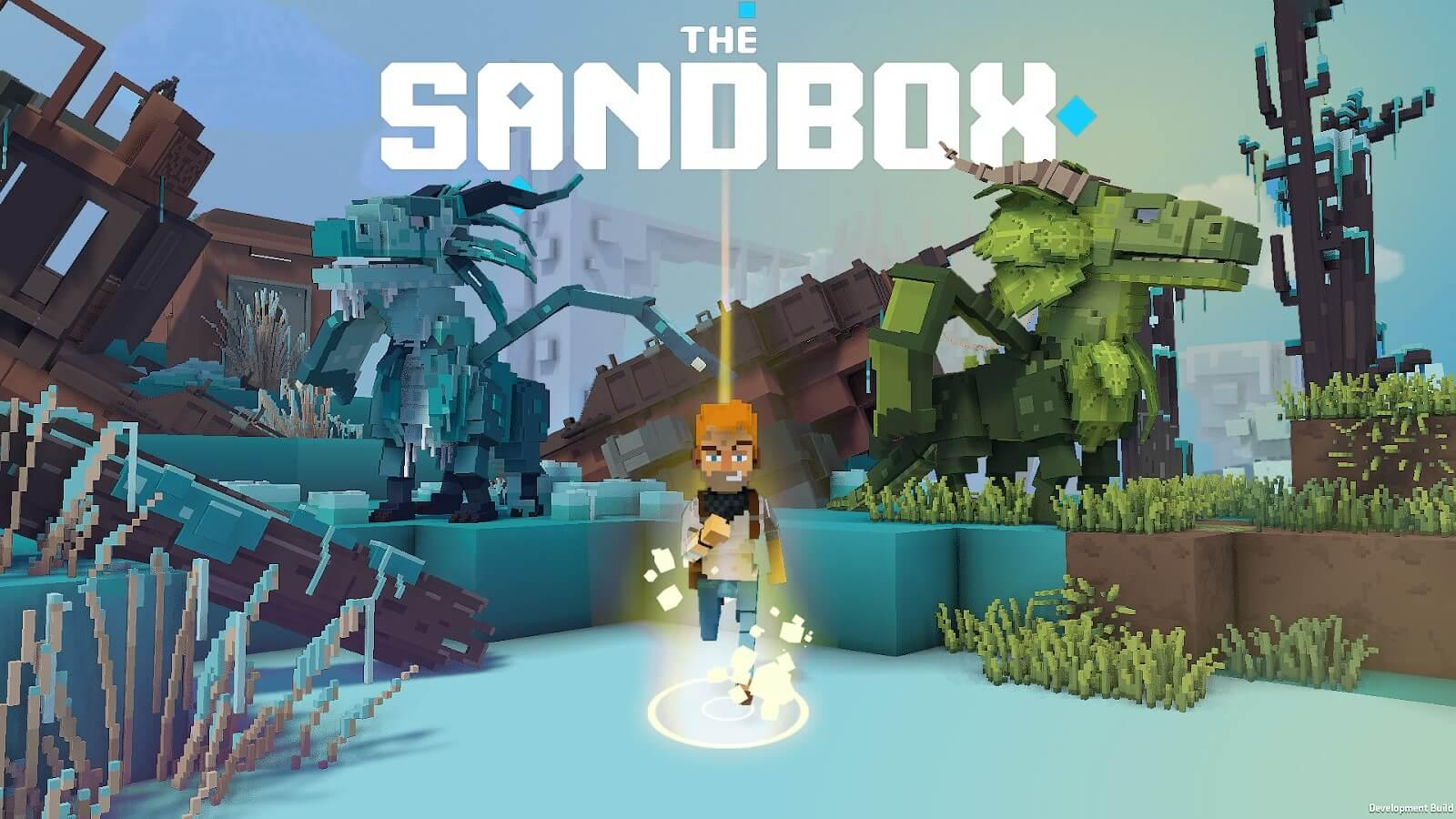
Sandbox’s overall workflow represents a complete asset lifecycle, centered on converting user-created digital content into tradable NFT assets.
At the outset, users leverage creative tools to design virtual assets. These assets are then minted as NFTs—each with a unique identifier—through an on-chain process. Once authenticated, assets can enter the open marketplace or be embedded within in-game environments. As players interact and consume these assets, value is generated and monetized through the platform’s token mechanism.
This workflow breaks down into several core stages:
| Stage |
User Action |
System Mechanism |
| Asset Creation |
User creates content |
Standardized data generation |
| NFT Minting |
Asset submission to blockchain |
Ownership authentication via smart contract |
| Market Circulation |
Listing and purchasing |
Marketplace matching engine |
| Game Usage |
Player engagement |
Game engine invocation |
| Revenue Generation |
Receive rewards |
Token settlement |
This structure is key in transforming static digital content into tradeable, usable, and revenue-generating assets—forming a self-sustaining economic loop.
How Users Create Virtual Assets and NFTs in Sandbox
Creating virtual assets in Sandbox relies on a dedicated toolset designed to transform user creativity into digital content that meets NFT standards.
The process begins with users designing characters, props, or environments using voxel editing tools. These designs are then converted into a data format recognized by the platform and uploaded, making them ready for NFT minting.
This process involves three foundational modules:
- Content Design: Generates the asset’s visual and functional features
- Data Standardization: Ensures consistent formatting across assets
- Upload & Verification: Confirms each asset complies with on-chain requirements
Asset creation is both a creative and standardization process; only assets that meet system specifications can proceed to NFT minting and trading.
This approach safeguards asset consistency across the Sandbox ecosystem, supporting reliable market transactions and seamless in-game integration.
How Virtual Assets Are Minted On-Chain (NFT Minting Process)
In Sandbox, virtual assets become on-chain NFTs through a minting process anchored by smart contracts that establish ownership.
Here’s how it works: Once a user submits an asset, the system triggers a smart contract to mint a corresponding NFT and records all associated metadata and ownership details on the blockchain. Key steps include asset identification, data binding, and wallet address confirmation.
The process unfolds in these stages:
- Asset Submission: User uploads their creation
- Contract Execution: Smart contract initiates NFT minting
- Data Recording: Blockchain stores all relevant information
- NFT Generation: Ownership is securely assigned
NFT minting serves as the bridge, turning platform-based digital assets into blockchain-registered property. Users retain direct control of these assets via their wallets and can trade or utilize them across multiple contexts.
This mechanism guarantees the verifiability and liquidity of Sandbox assets, underpinning the platform’s entire digital economy.
How Virtual Land and NFT Assets Trade in Sandbox
Sandbox’s trading system enables the open exchange of virtual land and NFT assets, relying on decentralized market mechanisms for real-time supply and demand matching.
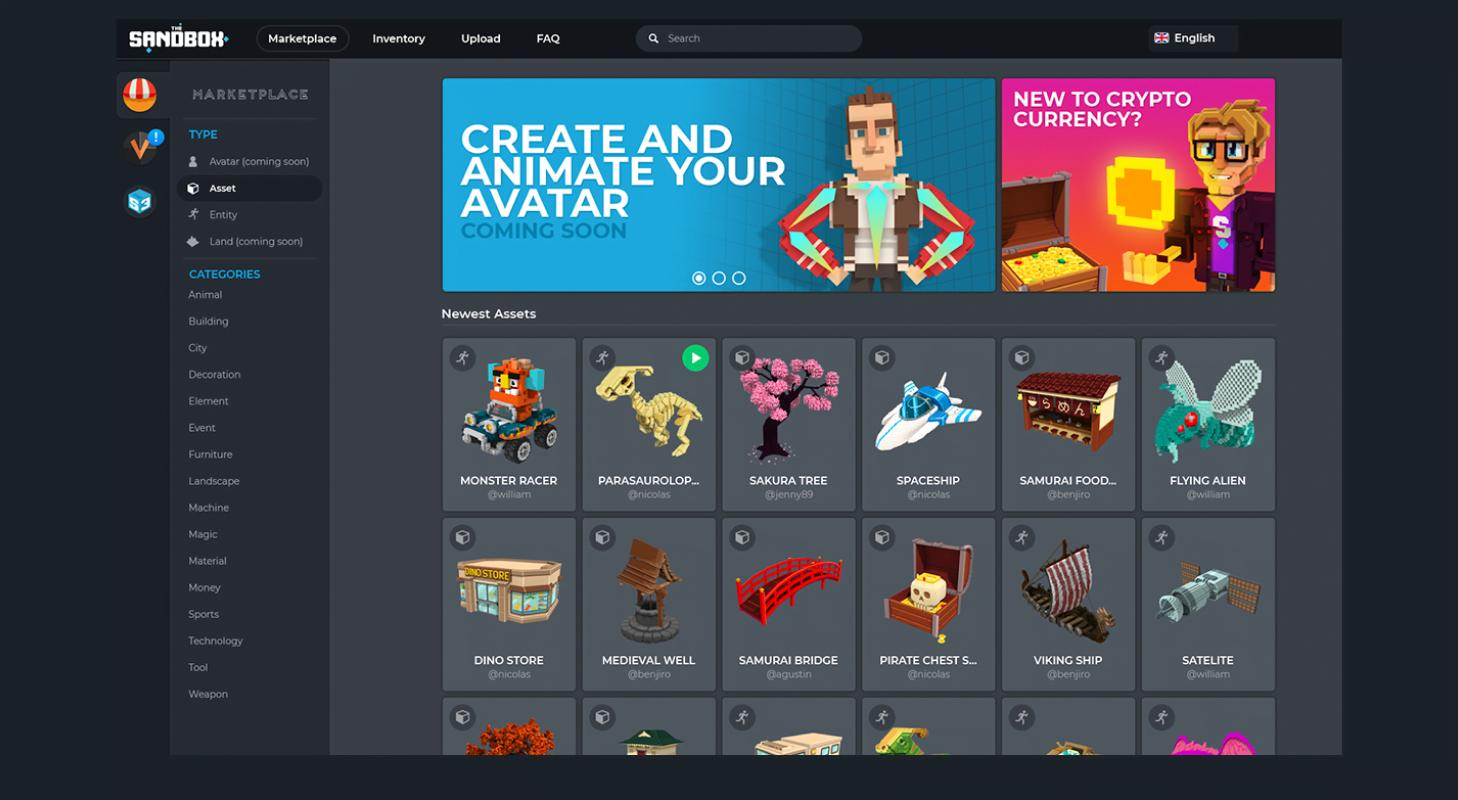
The system consists of asset display, order management, and blockchain settlement. Users can list assets for sale or purchase assets from others, with blockchain-powered ownership transfers upon transaction completion.
Standard transaction flow includes:
- Seller sets a price and lists the asset
- Buyer browses and selects their desired asset
- Buyer pays tokens to complete the purchase
- System updates NFT ownership on-chain
This setup’s cornerstone is decentralized authentication—transactions execute directly on the blockchain, bypassing any centralized account systems.
As a result, virtual assets develop market-driven price discovery, mirroring real-world supply and demand dynamics.
How Sandbox Games Operate (User Participation and Interaction)
Sandbox’s game engine is powered by user-generated content and programmable interactivity, embedding NFTs directly within gameplay.
The gaming experience is built from virtual land, user-created assets, and a flexible rules engine. Developers or users design game scenarios and define gameplay logic using dedicated tools.
When players join, they control characters and interact with the environment—utilizing NFT items or completing specific objectives. The platform advances gameplay through event triggers and rule-based automation.
The key innovation is that content creation is decentralized—users, rather than a central team, drive new game experiences. NFTs are not only visual assets but also functional components within the game logic.
This framework fosters a dynamic, user-driven game ecosystem and ensures a steady flow of fresh content.
How Transactions and Revenue Are Allocated in Sandbox (The Creator Economy)
Sandbox’s revenue distribution model is built around creators and active participants, ensuring value returns to content producers.
In practice, when players spend tokens on assets or in-game activities, those tokens are distributed according to transparent rules. Creators earn revenue from asset sales and game engagement, while the platform sustains itself by collecting a service fee.
The revenue split involves three essential steps: users make payments, the system distributes revenue per set rules, and both creators and the platform receive their respective shares.
This system directly links content quality and creator revenue. The more engaging the content, the more users participate, and the greater the creator’s earnings.
This creator-focused economic model continually motivates content production and drives sustainable ecosystem growth.
Summary
Sandbox’s end-to-end workflow—encompassing asset creation, NFT minting, marketplace trading, gameplay, and revenue allocation—forms a robust operational model. By leveraging blockchain authentication and a token-based economy, assets become both liquid and monetizable, establishing a content-driven virtual economy.
FAQ
What is Sandbox’s end-to-end workflow?
Sandbox’s complete process includes asset creation, NFT minting, trading, gameplay, and revenue allocation.
How do I create NFT assets in Sandbox?
Design assets using the editing toolkit and upload them to initiate NFT minting.
How does NFT minting work in Sandbox?
Smart contracts mint NFTs and record all asset data on the blockchain.
How do asset trades occur in Sandbox?
List or purchase assets via the marketplace; ownership transfers are executed on-chain.
How is revenue distributed in Sandbox?
Tokens paid by users are automatically allocated to creators and the platform, powering a content-driven economy.