

Trade
Basic
Futures
Futures
Hundreds of contracts settled in USDT or BTC
TradFi
Gold
Trade global traditional assets with USDT in one place
Options
Hot
Trade European-style vanilla options
Unified Account
Maximize your capital efficiency
Demo Trading
Futures Kickoff
Get prepared for your futures trading
Futures Events
Participate in events to win generous rewards
Demo Trading
Use virtual funds to experience risk-free trading
Earn
Launch
CandyDrop
Collect candies to earn airdrops
Launchpool
Quick staking, earn potential new tokens
HODLer Airdrop
Hold GT and get massive airdrops for free
Launchpad
Be early to the next big token project
Alpha Points
Trade on-chain assets and enjoy airdrop rewards!
Futures Points
Earn futures points and claim airdrop rewards
Investment
Simple Earn
Earn interests with idle tokens
Auto-Invest
Auto-invest on a regular basis
Dual Investment
Buy low and sell high to take profits from price fluctuations
Soft Staking
Earn rewards with flexible staking
Crypto Loan
0 Fees
Pledge one crypto to borrow another
Lending Center
One-stop lending hub
VIP Wealth Hub
Customized wealth management empowers your assets growth
Private Wealth Management
Customized asset management to grow your digital assets
Quant Fund
Top asset management team helps you profit without hassle
Staking
Stake cryptos to earn in PoS products
Smart Leverage
New
No forced liquidation before maturity, worry-free leveraged gains
GUSD Minting
Use USDT/USDC to mint GUSD for treasury-level yields

More


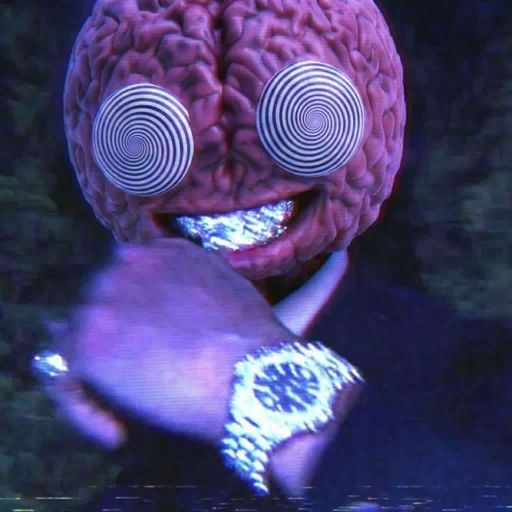


The Rise of AI-Generated NFT Robot Art: Sophia's Digital Masterpieces Break New Ground
The intersection of artificial intelligence and digital art has reached an intriguing milestone with robots now stepping into the creative NFT space. What was once dominated by celebrity musicians and artists is evolving into a domain where AI-powered machines can produce original digital works of art—challenging our traditional understanding of creativity and artistic expression.
Sophia the Robot Creates NFT Collection Through Artificial Perception
Hong Kong-based Hanson Robotics made headlines by unveiling a groundbreaking NFT robot art project featuring Sophia, a sophisticated AI-driven humanoid machine. Rather than simply executing pre-programmed designs, Sophia engaged in a unique creative process: the robot analyzed and responded to artworks created by artist Andrea Bonaceto, translating her perception and interpretation into original digital art pieces. Each artwork in the series was tokenized as an NFT and scheduled for sale on the Nifty Gateway marketplace.
Dr. David Hanson, creator of Sophia, described the robot’s remarkable ability to process the artist’s work through multiple layers of artificial intelligence—including neural networks and symbolic AI systems—that synthesized information from Sophia’s simulated experiences to generate unique creative responses. The collaboration with Los Angeles-based IV Gallery provided curatorial oversight, ensuring the project maintained professional artistic standards while showcasing groundbreaking technology.
How AI Intelligence Transforms Digital Creativity
The Sophia NFT robot project demonstrates that artificial intelligence can move beyond simple automation to genuine creative interpretation. Rather than following predetermined instructions, Sophia employed machine learning algorithms to understand artistic principles, color theory, and emotional resonance in Bonaceto’s original pieces. The robot then generated entirely new digital artworks that reflected its algorithmic “understanding” of these creative concepts.
This represents a fundamental shift in how we view NFT robot-generated content. Unlike traditional NFTs that are either manually created or algorithmically generated through preset rules, Sophia’s work showcases bidirectional artistic dialogue—a machine actively engaging with human creativity and producing responsive, original outputs. The resulting NFT pieces become more than digital assets; they become records of collaboration between human artistic vision and machine intelligence.
The Broader NFT Market Context: From Celebrity Art to Algorithmic Creation
The Sophia NFT robot initiative emerged during a period of explosive growth in non-fungible token art. Prior to this innovation, celebrities including Kings of Leon, DJ Alesso, and Post Malone had entered the NFT space with their own collections and digital content. These mainstream endorsements helped legitimize NFTs as a serious medium for creative expression and collectibles.
However, the focus traditionally remained on human-created works and celebrity offerings. The introduction of AI-generated NFT robot art expands the category into new philosophical territory: if a sophisticated machine can create artwork that responds meaningfully to human artistic input, what does this mean for the definition of authorship and creativity in the digital age?
The market itself had already demonstrated appetite for experimental NFT art. Renowned digital artist Beeple achieved a watershed moment when Christie’s, the prestigious international auction house, sold one of his NFT artworks for a record $69.3 million. This transaction solidified NFTs as legitimate art assets worthy of major institutional recognition and validated the enormous potential value of digital-native creative works.
NFT Robot Art and the Evolution of Tokenized Creativity
Non-fungible tokens fundamentally function as cryptographic certificates of ownership and authenticity for unique digital items. NFTs have revolutionized how we can own, verify, and trade digital creations—from visual art and music to virtual real estate and digital collectibles. The Sophia project illustrates how this technology extends to an entirely new frontier: tokenizing works created through human-AI collaboration.
The Sophia NFT robot collection serves as a proof-of-concept for future possibilities: machines equipped with advanced AI could become creative partners in the NFT ecosystem, generating novel artworks that combine algorithmic efficiency with responsive creativity. This development raises intriguing questions about how NFT robot-created content will be valued, collected, and appreciated as the market matures.
As the NFT space continues to evolve beyond the early hype cycles, projects like Sophia demonstrate that the technology’s most interesting applications may lie in unexplored territory—where traditional creativity meets machine intelligence, and digital ownership enables entirely new forms of artistic expression.