

Trade
Basic
Futures
Futures
Hundreds of contracts settled in USDT or BTC
TradFi
Gold
Trade global traditional assets with USDT in one place
Options
Hot
Trade European-style vanilla options
Unified Account
Maximize your capital efficiency
Demo Trading
Futures Kickoff
Get prepared for your futures trading
Futures Events
Participate in events to win generous rewards
Demo Trading
Use virtual funds to experience risk-free trading
Earn
Launch
CandyDrop
Collect candies to earn airdrops
Launchpool
Quick staking, earn potential new tokens
HODLer Airdrop
Hold GT and get massive airdrops for free
Launchpad
Be early to the next big token project
Alpha Points
Trade on-chain assets and enjoy airdrop rewards!
Futures Points
Earn futures points and claim airdrop rewards
Investment
Simple Earn
Earn interests with idle tokens
Auto-Invest
Auto-invest on a regular basis
Dual Investment
Buy low and sell high to take profits from price fluctuations
Soft Staking
Earn rewards with flexible staking
Crypto Loan
0 Fees
Pledge one crypto to borrow another
Lending Center
One-stop lending hub
VIP Wealth Hub
Customized wealth management empowers your assets growth
Private Wealth Management
Customized asset management to grow your digital assets
Quant Fund
Top asset management team helps you profit without hassle
Staking
Stake cryptos to earn in PoS products
Smart Leverage
New
No forced liquidation before maturity, worry-free leveraged gains
GUSD Minting
Use USDT/USDC to mint GUSD for treasury-level yields

More





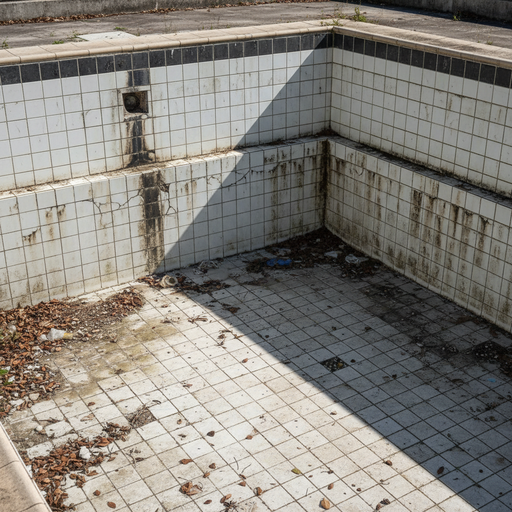

The Crypto Dead Question: Why 2026 Tells a Different Story
The narrative about crypto’s demise has been circulating for months. Media outlets declare crypto dead with the same confidence they once used to hype it. Social feeds went quiet. Influencers vanished. Yet beneath this apparent silence lies a fundamentally different reality—one that contradicts the premature obituaries being written. Is crypto dead? The answer becoming clearer with each quarter is no. But understanding why requires looking beyond headlines to actual market mechanics and institutional behavior.
Why the Perception of Crypto Being Dead Persists
The reasons crypto appears lifeless are surface-level and understandable. The market experienced severe corrections. High-profile collapses occurred. Regulatory uncertainty created fear. Public enthusiasm evaporated. To casual observers, it seems like the entire ecosystem has shut down.
But perception and reality diverged somewhere around 2024-2025. While retail interest cooled, something more substantial was building. The narrative of crypto dead remains powerful precisely because it ignores what serious players were actually doing during the supposed “downtime.”
The Real Transformation: From Hype to Hardware
While media declared crypto dead, the technology kept evolving. Ethereum, Solana, and competing blockchains didn’t stagnate—they fundamentally improved. Transaction speeds accelerated. Gas fees plummeted. Energy efficiency improved dramatically.
Layer 2 solutions stopped being theoretical and became production-ready infrastructure. Cross-chain bridges matured. Consensus mechanisms were refined. This wasn’t flashy development. It was the unglamorous work of actually building systems that function at scale.
The difference between then and now: blockchain technology is no longer a concept. It’s operational infrastructure that powers real transactions, not theoretical white papers.
Institutional Capital Moving Silently
Here’s what happened while everyone debated whether crypto dead was inevitable: major institutions integrated digital assets into their operations.
BlackRock didn’t just launch a spot Bitcoin product—it did so while most retail investors were still skeptical. Fidelity quietly expanded its crypto custody and trading services. Visa began experimenting with stablecoin settlements. Major banks started incorporating blockchain infrastructure into their backend systems.
Current market data from February 2026 shows Bitcoin trading at $67.89K (up 2.46% in 24 hours), XRP at $1.44 (up 1.84%), and BNB at $626.50 (up 1.92%). These aren’t numbers from a dying asset class—they represent billions in institutional positioning.
The players accumulating aren’t retail speculators. They’re Fortune 500 companies making long-term infrastructure commitments.
Regulation: The Milestone Nobody Celebrates
For years, regulatory ambiguity kept mainstream capital on the sidelines. That uncertainty isn’t gone, but it’s been replaced with something different: actual frameworks.
The U.S., Europe, Singapore, and other jurisdictions moved from “we don’t know what to do” to “here are the rules.” Some protocols were deemed unsustainable. Some practices were prohibited. But this sorting process isn’t killing crypto—it’s validating the projects designed for long-term operation.
Compliance might sound boring compared to 2017’s speculation, but it signals one critical thing: regulators treat crypto as a permanent feature of the financial system, not a temporary phenomenon to tolerate until it disappears.
Where Actual Value Lives: Beyond Speculation
The crypto that supposedly is dead was never supposed to be about minting overnight millionaires from memecoins. Real development focuses on problems that matter: international payments settling in seconds instead of days, real-world assets tokenized and tradable 24/7, permissionless financial infrastructure operating continuously globally.
Developers spent the “quiet years” building applications solving genuine friction points. Supply chain transparency systems, identity verification protocols, decentralized finance applications—these aren’t hype. They’re infrastructure.
The silence isn’t indicative of death. It’s what happens when an industry matures and stops performing for an audience.
Why Crypto’s Apparent Dormancy Is Actually Healthy
Mature industries don’t need constant headlines. The internet generated enormous media attention during the dot-com bubble, then went quiet while real value accumulated. Companies like Amazon and Google built their foundations during the “boring” recovery period.
Crypto is following the same trajectory. Innovation continues. Capital deploys. Technology improves. But none of it requires dramatic announcements or celebrity endorsements.
The perception that crypto dead is a natural outcome of moving from novelty to necessity. When something becomes functional infrastructure rather than speculative asset, it stops dominating conversation—it just works.
The Growing Up That Nobody Celebrates
If crypto were still in its hype phase, we’d see constant rallies, new coins launching daily, and every mainstream outlet covering the latest 100x returns. Instead, we see institutional adoption, regulatory frameworks, technological maturity, and quiet competence.
This isn’t death. It’s evolution. The question isn’t whether crypto is dead in 2026. The question is whether you’re paying attention to what’s actually happening, or just reacting to whatever generated the most recent headline.
The smartest money knows this: cycles pass, hype fades, but infrastructure that works never dies. It just becomes invisible because it’s too busy being useful.