Multichain Isn’t the Challenge—The Real Barrier Is Gas Management
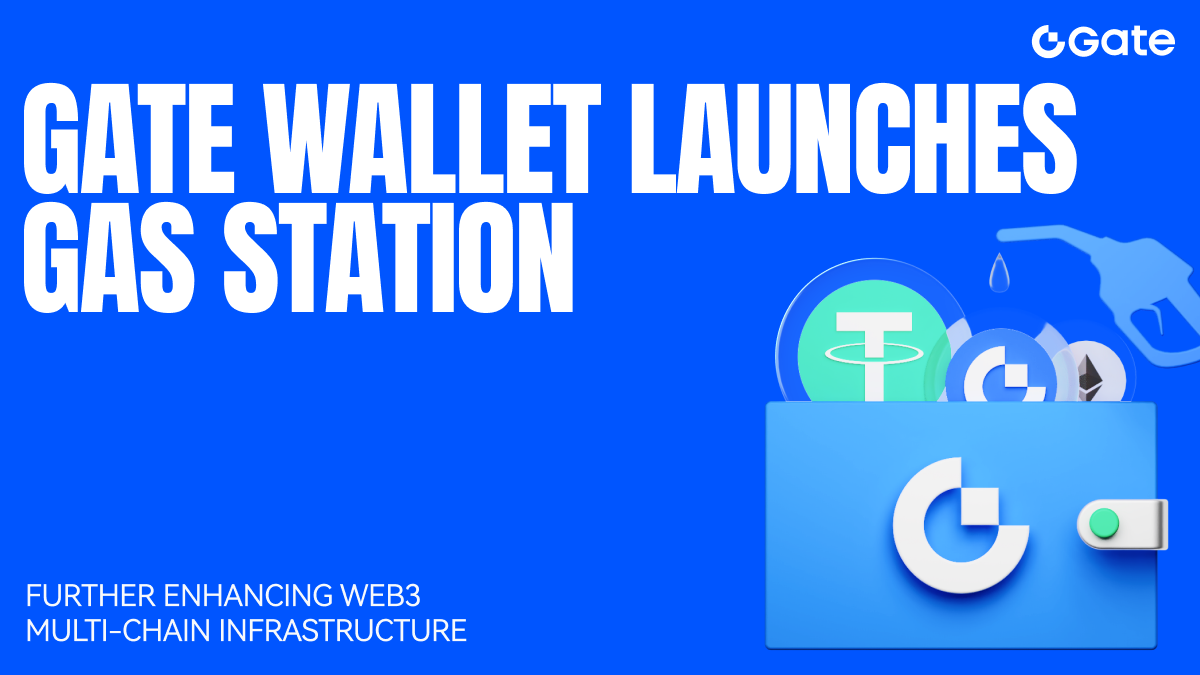
With the rise of multichain ecosystems, Web3 users have grown accustomed to switching between networks for DeFi participation, NFT trading, and interacting with on-chain applications. Cross-chain activity is now routine. Yet, in practice, what most often disrupts these workflows isn’t bridging technology—it’s the basic, frequently overlooked issue of running out of gas.
Many transactions stall at the final step, not because of technical hurdles, but due to a lack of native tokens for gas fees. This near-miss frustration is one of the most common and impactful hidden barriers in multichain operations.
Gate’s Solution: Shifting Gas Management to the Platform
The Gate Gas Station isn’t just another top-up tool. It reimagines gas at the account architecture level. The system creates an independent gas account for each EVM wallet. When users operate on supported networks and lack sufficient native tokens, the platform automatically covers the required gas fees.
This eliminates the need to check balances before every transaction. Gas becomes a backend capability managed by the platform, ensuring uninterrupted transaction flows. Users can focus on their actions, not on environmental constraints.
One Account for the Entire EVM Multichain Ecosystem
Gate Gas Station currently supports major EVM networks, including Ethereum, BNB Smart Chain, Arbitrum, Optimism, Base, Polygon, Avalanche, Linea, GateChain EVM, and Gate Layer, with ongoing expansion.
Gas accounts are no longer restricted to single native token deposits. Users can fund gas with over 100 popular crypto assets—including GT, USDT, USDC, ETH, and BNB—creating a unified payment pool. This removes the need to prepare separate assets for each network, streamlining multichain resource management.
Web3’s True Entry Barriers Are in the Details
From a product experience perspective, Gas Station reflects a broader trend: as on-chain activity accelerates and user numbers grow, platforms—not users—should absorb technical differences.
Web3 adoption depends less on feature strength and more on whether every operation is smooth, intuitive, and frictionless. When processes are nearly instant and seamless, users are more likely to stay, rather than abandon the platform at the first sign of friction.
Full Transparency Without Compromising Asset Control
Gate Gas Station is designed for security and transparency, with real-time visibility into all payment records, gas consumption, and account balances. Users can clearly track every resource’s usage. The system never requires extra contract authorization—the platform only covers gas fees and never takes control of user assets or intervenes in fund management. The core principle is to provide convenience without compromising asset sovereignty.
Turning Technical Barriers into Platform-Level Assurance
Gate Gas Station doesn’t just address gas management on a single chain. It transforms a fragmented, error-prone process into a predictable, traceable, and sustainable platform capability. With unified gas accounts, cross-asset top-ups, and instant fee coverage, Gate is making multichain operations a seamless, everyday experience—removing the friction that once kept Web3 in the realm of niche tools.
Conclusion
As multichain becomes the standard in Web3, platform competitiveness is defined not just by network support, but by delivering stable, seamless, and low-friction experiences. Gate Gas Station’s core value is shifting gas management from a user burden to a platform-level guarantee, ensuring transactions are never interrupted by resource shortages. By absorbing complexity at the platform level, this approach marks a critical step toward mainstream Web3 adoption.